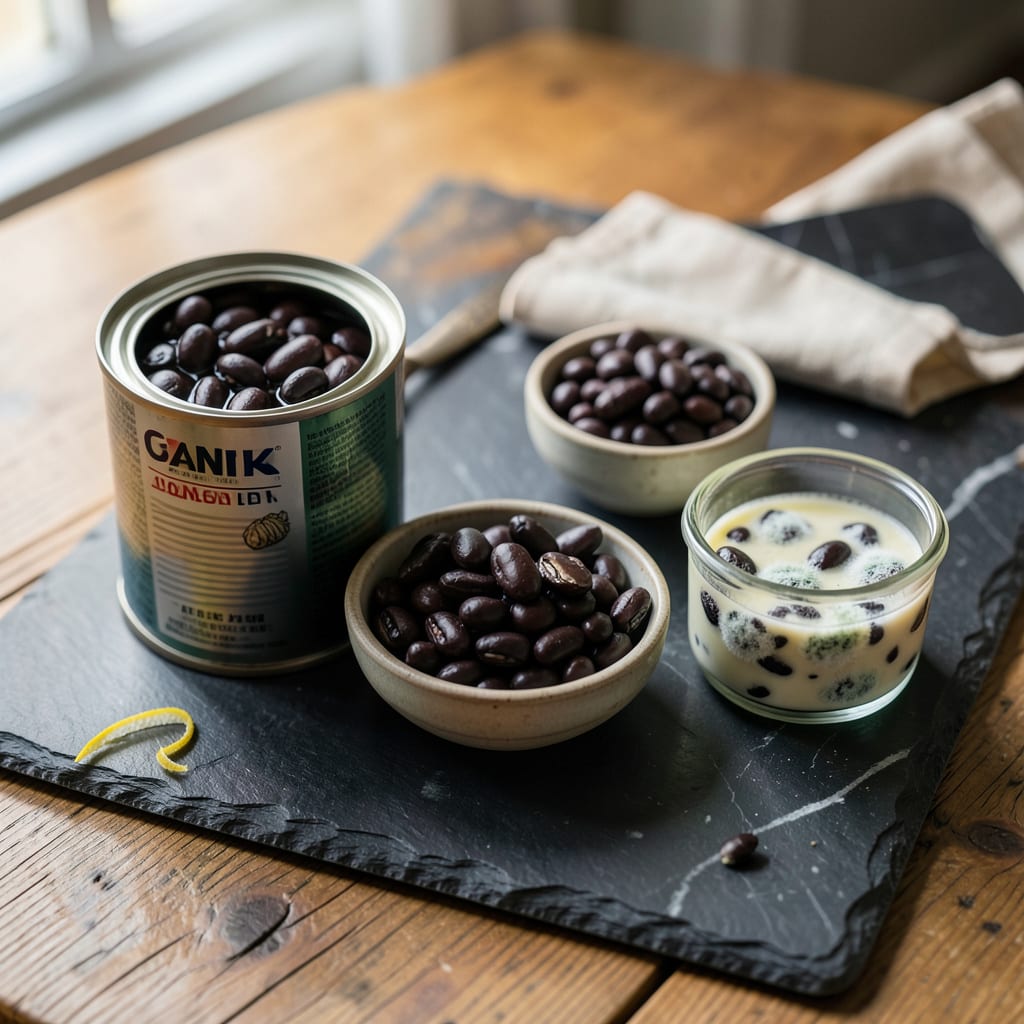
Check for bulging or dented cans, foul odors when opened, discolored beans (grayish or brown), slimy texture, or mold growth. If any of these signs appear, discard the beans immediately to avoid foodborne illness.
These warning signs aren’t just about taste—they’re red flags for potential botulism or other bacterial contamination. 🔥 I’ve seen too many people ignore a slightly dented can, only to regret it later when stomach issues hit. The slimy texture often means bacterial colonies have started growing, while discoloration signals oxidation or microbial activity. Trust me, when in doubt, toss it out—your health isn’t worth saving a few cents.
What surprises most folks is how quickly opened cans can turn. Even in the fridge, they only last 3-4 days before risking spoilage. ✨ The metal can actually react with the beans over time, accelerating degradation. That’s why I always transfer leftovers to glass containers—it extends freshness and lets me spot any changes immediately.
💡 In This Article
- Key Signs of Spoiled Canned Black Beans
- Safe Storage and Shelf Life of Canned Black Beans
Key Signs of Spoiled Canned Black Beans
That bulging can isn’t just an eyesore—it’s a pressure bomb of bacterial activity. When Clostridium botulinum or other microbes grow inside, they release gases that force the can to expand. A single dent on the seam might seem harmless, but it can create micro-tears that let contaminants in.
I once opened a slightly dented can to find the liquid inside bubbling like a science experiment gone wrong. 🔥
The smell test is your first defense. Fresh black beans have a mild, earthy aroma, while spoiled ones hit you with a sour, rotten-egg stench from hydrogen sulfide gas. This happens when proteins break down at rapid speeds.
Texture changes are equally telling: healthy beans hold their shape, but spoiled ones turn mushy or develop a slick film—this sliminess comes from bacterial polysaccharides coating the surface.
Color shifts reveal oxidation and microbial growth. Perfect black beans maintain deep, uniform color, while bad ones develop grayish patches or brown streaks. These discolorations occur as iron in the beans reacts with oxygen and microbial enzymes.
I’ve seen beans turn almost greenish when exposed to certain molds—a clear sign of mycotoxin production that you absolutely don’t want to ingest. ✨
Mold isn’t always visible on the surface. Some strains grow between beans or along the can’s interior walls. White, blue, or black fuzzy spots mean mycotoxins may have spread throughout. Even if you only see mold on one bean, the invisible spores have likely contaminated the entire can through the liquid medium.
Here’s what most people miss: the liquid’s consistency changes before the beans do. Cloudy or thickened brine indicates protein breakdown, while separation into layers shows the emulsifiers have failed.
I always give the can a gentle shake before opening—if it sounds overly sloshy or the contents don’t move freely, that’s a red flag for fermentation or gas buildup. 💫
Temperature abuse accelerates all these processes. A can left in a hot car for hours can develop these warning signs within days instead of months. The heat denatures proteins and creates perfect conditions for Bacillus cereus or Staphylococcus aureus to multiply.
That’s why I treat canned beans like fresh dairy—straight to the fridge if they’re not used immediately.
Pro tip: If you’re unsure, do the float test. Drop a few beans in water—fresh ones sink while spoiled ones often float due to gas pockets inside. This simple trick has saved me from food poisoning more times than I can count.
When in doubt, remember that no recipe is worth risking botulism, which can be fatal in just 24-72 hours after exposure. ⚡

Trained in classic French technique but raised on slow-cooked ribs and spicy rubs, she blends culinary skill with smoke and soul.
- Recipe for Boneless Pork Chops in Cast Iron Skillet: Sear and Baste to Juicy Perfection - October 3, 2026
- Recipe for Boneless Cross Rib Roast: Slow-Roasted Beef with Herb Crust - October 3, 2026
- Hamburgers in Sauce Recipe Crock Pot: Slow-Cooked Savory Delight - October 3, 2026