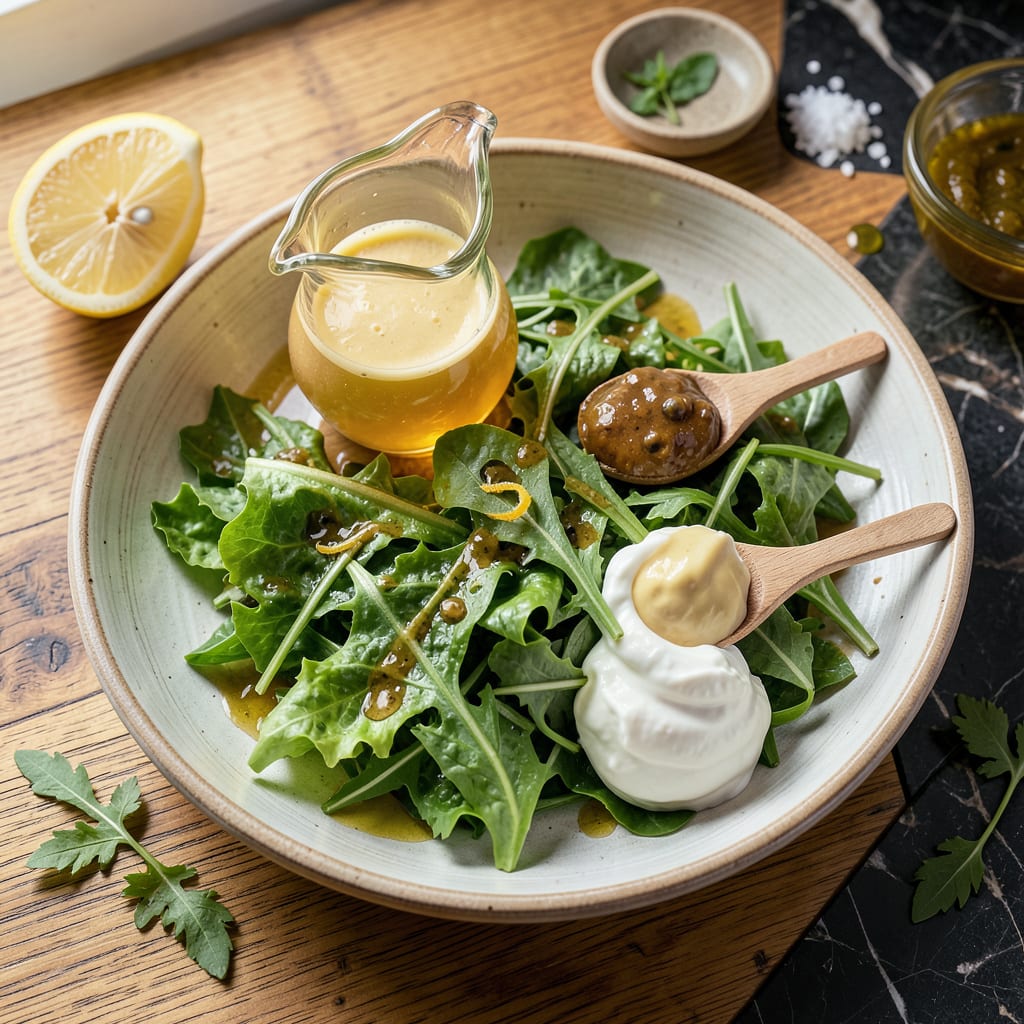
Nothing ruins a good salad faster than dressing that slides right off the leaves. I’ve been there—staring at a pool of vinegar and oil at the bottom of the bowl, wondering where I went wrong. The fix is simpler than you think, and it doesn’t require fancy ingredients or complicated techniques.
After years of experimenting (and a few dressing disasters), I’ve landed on five foolproof methods to get that perfect creamy consistency. Whether you’re working with a vinaigrette that’s too thin or a mayo-based dressing that won’t cling, the solution usually comes down to one of these techniques. No special equipment needed—just pantry staples and a little know-how.
Here’s the thing—thickening dressing isn’t about masking flavors, it’s about balancing them. A well-thickened dressing coats every leaf evenly, delivers flavor in every bite, and stays put where it belongs. I’ll walk you through exactly when to use each method, from quick fixes to more involved techniques that work for any style of dressing.
Fair warning: Once you master these, you’ll never settle for watery dressing again. The difference is that dramatic. Let’s get your dressings working for you, not against you.
📚 In This Guide
- What You’ll Need
- Instructions
- Tips and Common Mistakes
What Youll Need
- ● Salad dressing base – 1 cup (homemade or store-bought, any type: vinaigrette, ranch, etc.)
- ● Thickening agents (pick 1-2): Mayonnaise – 1-2 tbsp (full-fat for best results)
- ● Greek yogurt – 2-3 tbsp (plain, unsweetened)
- ● Sour cream – 1-2 tbsp
- ● Xanthan gum – ¼ tsp (powdered, food-grade)
- ● Cornstarch – 1 tsp (mixed with 1 tbsp cold water)
- ● Mixing tools: Whisk or fork (for manual blending)
- ● Small bowl (microwave-safe if heating)
- ○ Immersion blender (optional, for ultra-smooth texture)
- ● Testing tools: Spoon (to check consistency)
- ○ Clean jar with lid (optional, for storage)
- ● Extras (adjust flavor post-thickening): Salt & pepper – to taste
- ● Lemon juice – ½ tsp (for brightness)
- ○ Honey or sugar – ½ tsp (optional, to balance tang)
Instructions for Thickening Salad Dressing
Here are five simple methods to transform your runny dressing into a perfectly creamy consistency.
Emulsify with Mustard
Start by whisking 1 teaspoon of Dijon mustard into your dressing. The mustard acts as an emulsifier, binding the oil and vinegar together to create a thicker, creamier texture. I like to add it gradually while whisking continuously—this helps prevent separation.
You’ll notice the dressing start to thicken almost immediately. If it’s still too thin after 30 seconds of whisking, add another ½ teaspoon and repeat. The mustard won’t overpower the flavor but will give your dressing body and stability.
Blend in Mayonnaise
For a rich, creamy texture, stir in 1-2 tablespoons of mayonnaise to your dressing. Use full-fat mayo for the best results—it blends smoothly and adds a velvety consistency without thinning. Start with 1 tablespoon, whisk well, then assess the thickness.
If you prefer a lighter option, Greek yogurt works too, but mayo gives that classic creamy mouthfeel. The dressing should coat the back of a spoon when you’re done. Taste and adjust seasoning if needed, as mayo can slightly mute other flavors.
Reduce with Xanthan Gum
For a gluten-free option, sprinkle ¼ teaspoon of xanthan gum over the dressing while whisking vigorously. This powder thickens instantly, so add it slowly to avoid clumping. I recommend mixing it first with a small amount of the dressing in a separate bowl before incorporating it all.
Let it sit for 1-2 minutes—you’ll see it transform into a smooth, slightly gel-like consistency. Xanthan gum works well for vinaigrettes and lighter dressings, giving them body without altering the flavor. A little goes a long way, so don’t overdo it.
Incorporate Greek Yogurt
Whisk in 2 tablespoons of plain Greek yogurt for a tangy, protein-rich thickener. Use full-fat yogurt for the creamiest results, or non-fat if you want a lighter option. The yogurt adds thickness while keeping the dressing fresh and slightly tangy.
If the dressing is still too thin, add another 1 tablespoon and whisk until smooth. The yogurt may slightly dilute the flavor, so taste and adjust seasoning with salt or pepper as needed. This method works especially well for ranch or herb-based dressings.
Simmer and Reduce
For a more concentrated flavor and thicker texture, pour the dressing into a small saucepan and simmer over low heat for 3-5 minutes. Stir constantly to prevent separation or burning. You’ll see the dressing darken slightly and reduce by about 20-30%.
Remove from heat once it coats the back of a spoon. Let it cool completely before using—the dressing will thicken further as it chills. This method works best for vinaigrettes and oil-based dressings, intensifying their flavor while improving texture.
Tips and Common Mistakes
These practical insights will help you achieve perfectly thickened dressing every time, with smooth, creamy results that cling beautifully to your greens.
The Whisking Technique: In Step 1, when emulsifying with Dijon mustard, use a small, deep bowl and whisk in a figure-eight motion rather than circles. This creates more surface area for the mustard to bind oil and vinegar. The 30 seconds of whisking is crucial—don’t rush it! You’ll see the dressing visibly transform from separated to creamy during this time.
Mayo Incorporation: For Step 2, bring your mayonnaise to room temperature before adding it to the dressing. Cold mayo can cause temporary separation. Start with 1 tablespoon as directed, but here’s what nobody tells you—let it sit for 1 minute after whisking before deciding if you need more. The full-fat mayo will continue to emulsify slightly during this rest.
Xanthan Gum Handling: When working with xanthan gum in Step 3, mix it first with 1 teaspoon of oil from your dressing in a separate small bowl to create a slurry. This prevents those frustrating clumps that can form when adding powder directly. The 1-2 minutes waiting period is when the magic happens—you’ll watch it develop that perfect gel-like consistency right before your eyes.
Reduction Watchfulness: During Step 5’s simmering process, use a light-colored saucepan if possible. This lets you monitor the color change more easily as it reduces over low heat. Stir in small, constant circles rather than large sweeps to prevent hot spots that could cause separation. The dressing will darken by about one shade when it’s reached the ideal 20-30% reduction.
Pro Tips for Thicken Salad Dressing
- These practical insights will help you achieve perfectly thickened dressing every time, with smooth, creamy results t…
- The Whisking Technique: In Step 1, when emulsifying with Dijon mustard, use a small, deep bowl and whisk in a figure-…
- Mayo Incorporation: For Step 2, bring your mayonnaise to room temperature before adding it to the dressing. Cold mayo…
Frequently Asked Questions
Can I thicken salad dressing without changing the flavor?
Use neutral thickeners like xanthan gum (¼ tsp at a time) or arrowroot powder—they’re flavorless and work instantly. For creamier dressings, blend in Greek yogurt or unflavored silken tofu to keep the taste intact while boosting texture.
How long does it take for salad dressing to thicken after adding a thickener?
Most thickeners (like cornstarch slurry or xanthan gum) work in 1–2 minutes with whisking. For chia seeds or flaxseed gel, refrigerate for 10–15 minutes to reach full thickness. Patience pays off!
What’s the best thickener for a low-carb or keto salad dressing?
Skip cornstarch and flour—opt for xanthan gum (0.1g net carbs per tsp) or psyllium husk powder. For creaminess, blend in avocado or sour cream. These keep dressings thick without the carbs!
Why did my salad dressing get lumpy after thickening?
Lumps usually mean the thickener (like cornstarch) wasn’t fully dissolved. Fix it by:
- Straining through a fine-mesh sieve, or
- Blending with an immersion blender until smooth.
Can I use mayonnaise to thicken salad dressing?
Yes! Mayo adds richness and thickness—start with 1 tbsp per ½ cup dressing and adjust. Works best for creamy dressings like ranch or Caesar.
Thickening salad dressing doesn’t have to be tricky—with the right techniques, you can achieve that perfect creamy texture every time! Whether you use emulsifiers like mustard or mayo, reduce liquids, or experiment with natural thickeners, a little know-how goes a long way. 🌟
Now that you’ve got the tools, why not put them to the test? Whip up a batch of your favorite dressing and tweak it to your ideal consistency. Happy dressing—and happy eating! 🥗

Trained in classic French technique but raised on slow-cooked ribs and spicy rubs, she blends culinary skill with smoke and soul.
- Recipe for Boneless Pork Chops in Cast Iron Skillet: Sear and Baste to Juicy Perfection - October 3, 2026
- Recipe for Boneless Cross Rib Roast: Slow-Roasted Beef with Herb Crust - October 3, 2026
- Hamburgers in Sauce Recipe Crock Pot: Slow-Cooked Savory Delight - October 3, 2026