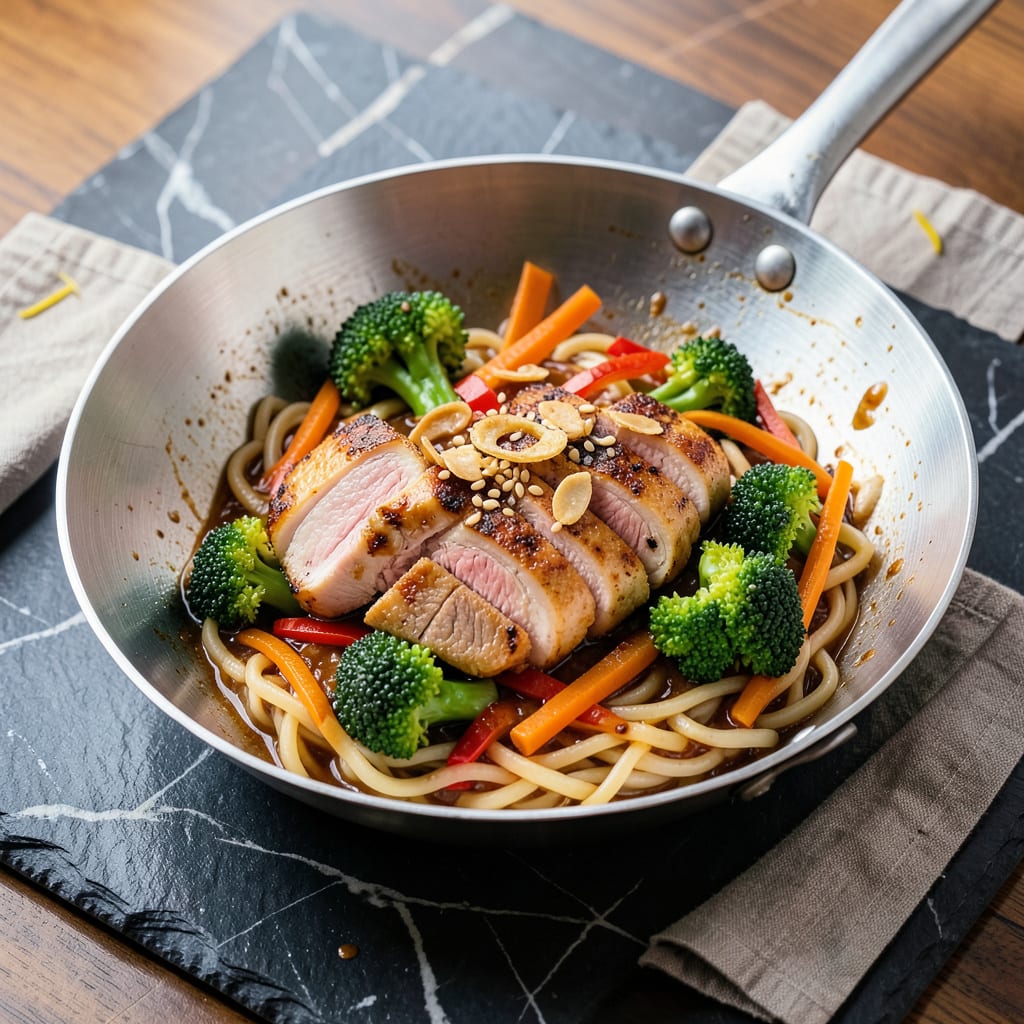
Ever ended up with a runny stir-fry sauce when you’re minutes from serving? I’ve been there—standing over a wok, watching my carefully balanced flavors swim in a thin, sad pool. The good news is you don’t need cornstarch to fix this. After years of testing (and a few sauce disasters), I’ve nailed down five foolproof methods that actually work.
Most home cooks reach for cornstarch out of habit, but there are better ways to get that perfect glossy, clingy consistency. Some methods work in seconds, others build flavor while thickening. The right choice depends on what’s already in your sauce and how much time you’ve got. No weird ingredients required—just smart technique.
Here’s what separates the pros from the panicked: understanding how different thickeners behave under heat. Arrowroot gives you a crystal-clear finish but can’t handle long cooking. Potato starch holds up better but needs careful mixing. And reduction? It’s the flavor booster’s secret weapon when you’ve got 10 extra minutes.
I’ll walk you through each method with the exact steps I use in my own kitchen—including where people usually mess up. By the end, you’ll know exactly which thickener to grab based on your sauce, your time, and the result you want. No more watery takeout imitations.
📚 In This Guide
- What You’ll Need
- Instructions
- Tips and Common Mistakes
What Youll Need
- ● Stir-fry sauce base – 1 to 1½ cups (homemade or store-bought; low-sodium preferred for better control 🌡️).
- ● Alternative thickeners (pick 1-2): Arrowroot powder – 1 to 2 tsp (mix with 2 tbsp cold water first).
- ● Tapioca starch/flour – 1 tbsp (dissolve in 1 tbsp water before adding).
- ● Potato starch – 1½ tsp (whisk with 1 tbsp cold broth).
- ● Rice flour – 2 tsp (toast lightly in a dry pan for nuttier flavor).
- ● Xanthan gum – ¼ tsp (use sparingly—it’s potent!).
- ● Liquid for slurry – 2 to 3 tbsp (cold water, broth, or sauce from the pan).
- ● Tools: Small bowl (for mixing slurries).
- ● Whisk or fork (to break up lumps).
- ● Measuring spoons (precision matters!).
- ○ Optional: Fine-mesh strainer (if your sauce has bits you want to remove).
- ● Prerequisites: Sauce should be simmering (not boiling) before adding thickener.
- ● Have a taste test ready—adjust seasoning after thickening!
Instructions for Thickening Stir Fry Sauce Without Cornstarch
Here are five reliable methods to achieve that perfect sauce consistency—no cornstarch required.
Reduce the Sauce for Natural Thickness
Start by cooking your stir fry as usual, but when it’s time to add the sauce, pour it in early. Let it simmer uncovered over medium-high heat for 3-5 minutes, stirring frequently. You’ll notice the liquid gradually reducing as steam escapes.
Watch for visual cues: the sauce should coat the back of your spoon and leave a clear path when you run your finger through it on the spoon’s surface. This method works best with sauces that have natural sugars (like teriyaki or hoisin-based sauces) as they caramelize slightly during reduction, adding depth of flavor.
Be patient and keep the heat steady—too high and you risk burning the sauce, too low and it won’t thicken properly. I like to tilt the pan occasionally to check the consistency at the edges where it pools.
Use a Slurry of Arrowroot Powder
Mix 1 tablespoon arrowroot powder with 2 tablespoons cold water in a small bowl until completely smooth. The key here is using cold water—hot water will cause the arrowroot to clump immediately.
When your stir fry is nearly finished cooking, push the ingredients to one side of the pan. Pour the arrowroot slurry into the hot sauce while stirring constantly. You’ll see it thicken almost immediately—within 30-60 seconds—as it reaches 203°F.
Arrowroot creates a glossy, clear thickened sauce that’s more heat-stable than cornstarch. Unlike cornstarch, it won’t break down if you need to reheat your leftovers. Just remember it thickens faster than cornstarch, so work quickly and have your stir fry ready to serve.
Blend in Nut or Seed Butters
For creamier sauces with added richness, stir in 1-2 tablespoons of natural peanut butter, almond butter, or tahini at the end of cooking. The natural oils and proteins in these butters act as excellent thickeners while adding nutty depth to your dish.
Add the nut butter to the hot sauce and whisk vigorously for 1-2 minutes until completely incorporated. You’ll notice the sauce becoming thicker and taking on a satiny texture. This method works particularly well with Thai-inspired stir fries or peanut sauces.
If the sauce becomes too thick, thin it with a splash of water or coconut milk. I prefer using natural, unsweetened nut butters without added oils—they incorporate more smoothly into the sauce without separating.
Incorporate Pureed Vegetables
Steam or boil ½ cup of starchy vegetables like sweet potatoes, butternut squash, or cauliflower until very tender. Puree them with 2-3 tablespoons of your stir fry sauce until completely smooth.
Stir this puree back into your sauce and simmer for 2-3 minutes. The natural pectin in these vegetables will thicken the sauce beautifully while adding nutritional value. You won’t taste the vegetables distinctly—they’ll just contribute to a richer, more complex sauce base.
This method works especially well with sweeter sauces like orange chicken or cashew chicken. The puree should blend seamlessly into the sauce, creating a velvety texture without any graininess.
Utilize the Power of Egg Yolks
In a small bowl, whisk 1-2 egg yolks with 1 tablespoon of your hot stir fry sauce to temper them. This gradual heating prevents the eggs from scrambling when added to the hot pan.
Push your stir fry ingredients to one side and pour the tempered yolks into the sauce, stirring constantly with a wooden spoon. Cook over low heat for 1-2 minutes until the sauce thickens to your desired consistency.
The egg yolks will create a rich, silky texture similar to a carbonara sauce. This technique works best with lighter sauces and seafood stir fries. For food safety, ensure your sauce reaches at least 160°F after adding the eggs, but don’t let it boil or the eggs may curdle.
Tips and Common Mistakes
Mastering these techniques will help you achieve perfectly thickened stir fry sauce every time, without relying on cornstarch.
Heat Control: When reducing your sauce in Step 1, maintain that medium-high heat consistently. I’ve found that fluctuating temperatures can lead to uneven thickening or even burning. The 3-5 minutes of simmering is crucial—watch for the sauce to coat the back of your spoon and leave a clean path when you draw your finger through it. This visual test is more reliable than timing alone.
Slurry Success: For the arrowroot method in Step 2, make absolutely certain your water is cold when mixing with the 1 tablespoon arrowroot powder. I learned this the hard way after several clumpy attempts. The slurry should be completely smooth before adding, and remember it thickens almost instantly at 203°F, so have everything ready to serve immediately.
Texture Balance: When incorporating nut butters in Step 3, start with just 1 tablespoon and whisk vigorously for the full 1-2 minutes. You can always add more, but you can’t remove excess. Natural, unsweetened varieties work best as they blend more smoothly without separating. If the sauce becomes too thick, a splash of water or coconut milk will restore the perfect consistency.
Vegetable Puree Technique: For Step 4, ensure your ½ cup of vegetables is steamed until extremely tender before pureeing. The 2-3 minutes of simmering after adding the puree is when the magic happens—the natural pectin activates to create that velvety texture. Sweet potatoes work particularly well for this method, adding both thickness and subtle sweetness.
Pro Tips for Thicken Stir Fry Sauce Without Cornstarch
- Mastering these techniques will help you achieve perfectly thickened stir fry sauce every time, without relying on co…
- Heat Control: When reducing your sauce in Step 1, maintain that medium-high heat consistently. I’ve found that fluctu…
- Slurry Success: For the arrowroot method in Step 2, make absolutely certain your water is cold when mixing with the 1…
Frequently Asked Questions
Can I use flour as a cornstarch substitute in stir fry sauce?
Yes! All-purpose flour works well, but it requires cooking longer to eliminate the raw taste. Mix 1 tbsp flour with 2 tbsp cold water to create a slurry, then stir into your sauce gradually while simmering. Avoid adding dry flour directly—it’ll clump! For gluten-free options, try rice flour or arrowroot powder instead.
How do I fix a stir fry sauce that’s too thin after cooking?
If your sauce is still runny, try reducing it: simmer uncovered on medium-low heat for 3–5 minutes, stirring often. For instant thickening, mash 1 tsp peanut butter (unsweetened) or blend in ½ tsp xanthan gum. Avoid over-reducing—sauces can turn overly salty or bitter if cooked too long!
What’s the best way to thicken stir fry sauce before cooking?
Pre-thicken by mixing your sauce base with a slurry (like arrowroot + water) or pureed veggies (e.g., steamed carrots or onions). For creamier sauces, whisk in 1–2 tbsp Greek yogurt or coconut milk off-heat to prevent curdling. Pro tip: Chill the sauce for 10 minutes—cold thickens natural pectin in ingredients like tomatoes!
Will my sauce get thinner after adding soy sauce or vinegar?
Yes! Acidic ingredients (vinegar, citrus, wine) and high-sodium liquids (soy sauce, fish sauce) can break down thickeners. Balance them by: (1) adding them last, (2) using less liquid upfront, or (3) compensating with extra slurry. Test thickness after each addition—adjust as you go!
Are there low-carb alternatives to thicken stir fry sauce?
Skip starchy thickeners and try:
- Xanthan gum: ¼ tsp (powerful—use sparingly!).
- Gelatin: 1 tsp dissolved in warm broth (adds glossy texture).
- Pureed cauliflower: Blend steamed florets into the sauce.
All are keto-friendly and add minimal carbs!
Thickening your stir fry sauce without cornstarch is easier than you think! 🎉 Whether you reach for a flour slurry, arrowroot powder, or even blended veggies, each method delivers rich, glossy results without compromising flavor. The key is experimenting to find what works best for your dish—and your pantry.
Ready to put these tricks to the test? Pick one method and try it in your next stir fry—your taste buds (and takeout budget) will thank you! 😉 For more sauce hacks, check out our guide on homemade stir fry sauce recipes.

Trained in classic French technique but raised on slow-cooked ribs and spicy rubs, she blends culinary skill with smoke and soul.
- Recipe for Boneless Pork Chops in Cast Iron Skillet: Sear and Baste to Juicy Perfection - October 3, 2026
- Recipe for Boneless Cross Rib Roast: Slow-Roasted Beef with Herb Crust - October 3, 2026
- Hamburgers in Sauce Recipe Crock Pot: Slow-Cooked Savory Delight - October 3, 2026