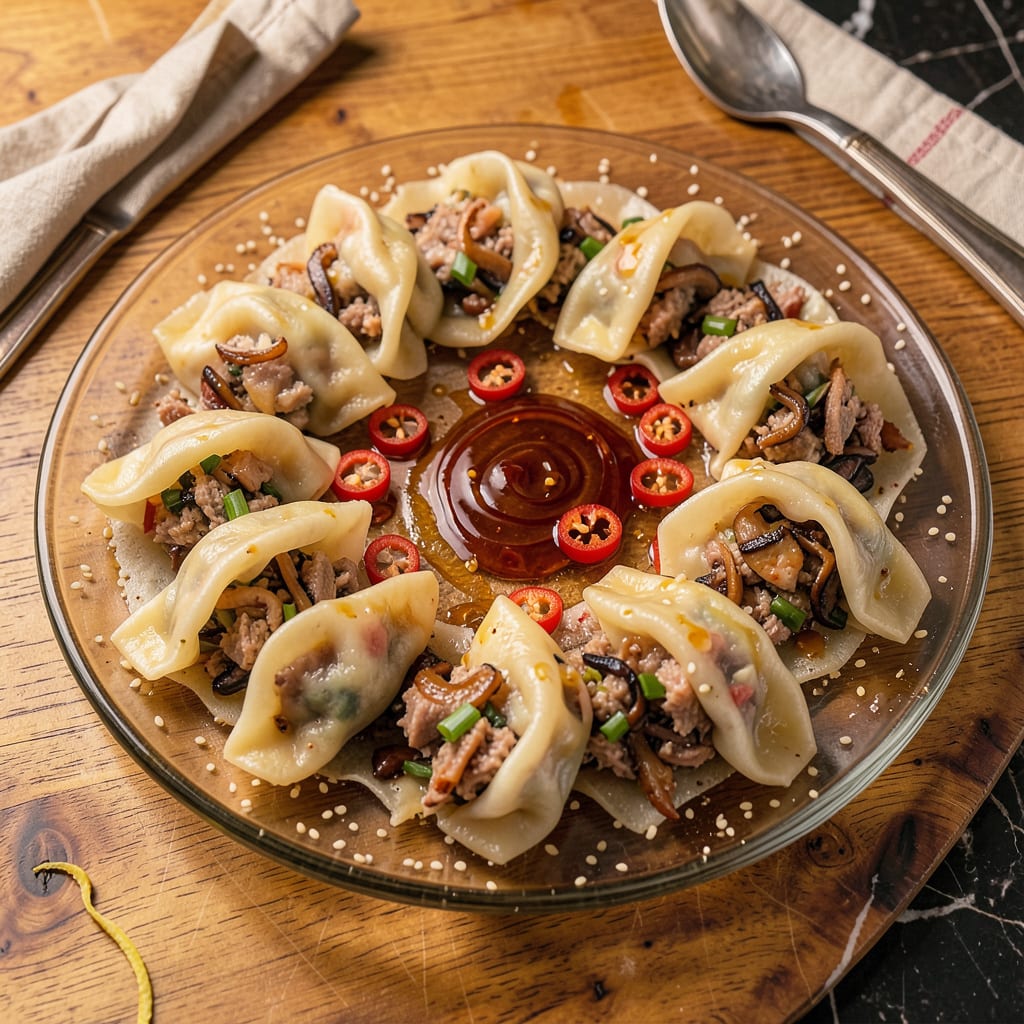
Perfectly tender dumplings don’t require specialized equipment—just a smart technique and basic kitchen tools. After years of testing improvised methods, I’ve developed a foolproof pan-steaming approach that delivers restaurant-quality results without a traditional bamboo steamer. The key lies in creating the right microclimate using items you already own.
This method transforms any lidded skillet into an effective steaming chamber. By adding just 1/2 inch of water and maintaining a gentle simmer, you generate consistent steam that cooks dumplings evenly. The technique works with both homemade and store-bought wrappers, ensuring tender, translucent results every time. No more rubbery or undercooked dumplings from makeshift setups.
What sets this approach apart is its precision. The controlled environment prevents common issues like sticking or bursting while allowing the filling to cook through completely. Whether you’re working with pork, shrimp, or vegetable fillings, the method adapts seamlessly. The result is dumplings with properly set wrappers and juicy interiors—exactly what you’d expect from professional steaming equipment.
The process requires minimal active time, making it ideal for both weeknight meals and entertaining. Once mastered, this technique becomes your go-to for dumplings, bao, and other steamed dishes. The versatility extends to reheating leftovers as well, maintaining that just-steamed texture and flavor.
📚 In This Guide
- What You’ll Need
- Instructions
- Tips and Common Mistakes
What Youll Need
- ● Dumplings (frozen or fresh): 12–16 pieces (standard 3–4 inch diameter). For homemade, prep 1 lb filling + 20–24 dumpling wrappers.
- ● Deep, non-stick skillet or frying pan: 10–12 inches wide with a tight-fitting lid (glass preferred to monitor steam).
- ● Neutral oil: 1–2 tbsp (vegetable, canola, or avocado oil work best).
- ● Water: ½ cup (for steam—filter or tap is fine).
- ● Tongs or spatula: Heat-resistant, for safe flipping.
- ○ Optional but handy: Parchment paper (cut into 3-inch circles to prevent sticking).
- ● Sesame oil (½ tsp for aroma).
- ● Dipping sauce (soy sauce, vinegar, chili crisp).
- ● Prerequisites: Thaw frozen dumplings 10 mins at room temp.
- ● Pat dry if wrappers are damp (prevents sogginess).
Step-by-Step Instructions for Steaming Dumplings Without a Steamer
This foolproof pan method delivers perfectly tender dumplings with minimal equipment and maximum reliability.
Prepare the Dumplings and Pan Setup
Begin by arranging your assembled dumplings on a heatproof plate that fits inside a large lidded skillet or pot. I recommend using a glass pie plate or ceramic dish—these materials conduct heat evenly and prevent sticking. Ensure the dumplings are spaced ½ inch apart to allow steam circulation; they’ll expand slightly during cooking.
The key to this method lies in creating a stable steam environment. Choose a pan with a tight-fitting lid to trap moisture effectively. I prefer stainless steel or enameled cast iron for their even heat distribution and durability. Avoid nonstick pans unless they’re specifically rated for high-heat use, as the prolonged steam exposure can degrade the coating over time.
Create the Steam Bath and Heat Control
Pour 1 inch of water into your selected pan and bring it to a rolling boil over medium-high heat. The water level is critical—too little risks burning off before cooking completes, while too much may boil over when you add the plate. As the water heats, you’ll notice small bubbles forming at the bottom before reaching a full boil.
Once boiling, carefully lower the plate of dumplings into the pan using oven mitts or tongs. The water should come no higher than halfway up the plate’s sides. Immediately cover with the lid and reduce heat to medium-low to maintain a steady simmer. You’ll hear the steam building inside—this consistent, gentle heat is what transforms the dumpling wrappers into tender, translucent perfection.
Monitor and Maintain Optimal Steam Conditions
Steam the dumplings undisturbed for 8-10 minutes, resisting the urge to peek. The lid must remain on to maintain the steam environment—every time you lift it, you lose 2-3 minutes of cooking time and risk temperature fluctuations. You’ll know the process is working when you see condensation forming on the lid’s underside and hear a steady, gentle hissing sound.
After the initial steaming period, carefully lift one dumpling to check doneness. The wrapper should appear translucent and slightly glossy, with no opaque spots remaining. If using meat fillings, insert a toothpick into the thickest part—it should emerge hot to the touch. For vegetable fillings, the wrapper’s texture is your primary indicator of doneness.
Finish and Serve with Precision
Once fully cooked, use oven mitts to remove the plate from the pan, tilting it slightly to allow any accumulated water to drain away. Let the dumplings rest for 2 minutes before serving—this brief period allows the wrappers to firm up slightly, preventing them from tearing when transferred to serving plates.
Serve immediately while still steaming hot. The ideal dumpling will have a wrapper that’s tender yet resilient, with a slight chew that gives way to the filling. If any dumplings stick to the plate, don’t force them—gently run a thin spatula underneath to release. Accompany with your preferred dipping sauce, ensuring it’s served at room temperature to complement the hot dumplings.
Tips and Common Mistakes for Perfectly Steamed Dumplings Without a Steamer
Mastering this technique requires attention to steam quality and heat control—here’s what separates perfect dumplings from disappointing ones.
Steam Environment Precision: The 1-inch water level in Step 2 isn’t arbitrary—it creates the ideal steam chamber depth. Too little water evaporates before cooking completes, while too much causes violent boiling that can splash onto your dumplings. Use a measuring cup for accuracy, and choose a pan where the water reaches exactly halfway up your plate’s sides when inserted. This ensures consistent steam circulation without direct contact with boiling water.
Heat Management Technique: The transition from medium-high to medium-low heat in Step 2 is critical for maintaining steady steam production. After adding the dumplings, immediately reduce to medium-low—the goal is a gentle but persistent simmer, not a rolling boil. You should hear a soft hissing sound and see condensation forming on the lid’s underside within 60 seconds. If the sound becomes aggressive or water starts bubbling over the plate’s edges, reduce heat slightly.
Visual Doneness Indicators: During the 8-10 minute steaming period in Step 3, resist the temptation to check progress early. The wrapper’s transformation from opaque to translucent occurs in the final 2 minutes of cooking. When properly done, the dumpling skin will have a slight sheen and feel tender but resilient when gently pressed with tongs. For meat-filled dumplings, the toothpick test should reveal no cool spots in the center—just warm, evenly cooked filling.
Resting Period Importance: The 2-minute rest in Step 4 isn’t optional—it allows the wrappers to reabsorb any surface moisture and develop the ideal texture. Skipping this step results in dumplings that tear when transferred or feel unpleasantly soft. Use this time to prepare your serving plates and dipping sauces, ensuring everything is ready for immediate service while the dumplings firm up.
Pro Tips for Steam Dumplings Without Steamer
- Mastering this technique requires attention to steam quality and heat control—here’s what separates perfect dumplings…
- Steam Environment Precision: The 1-inch water level in Step 2 isn’t arbitrary—it creates the ideal steam chamber dept…
- Heat Management Technique: The transition from medium-high to medium-low heat in Step 2 is critical for maintaining s…
Frequently Asked Questions
Can I use a regular pan instead of a steamer for dumplings?
A lidded non-stick or stainless-steel pan works perfectly. Add ½ inch of water, place dumplings on parchment paper (with holes poked for steam), cover tightly, and cook on medium-low heat for 8–10 minutes. The trapped steam mimics a traditional steamer!
How do I prevent dumplings from sticking to the pan?
Line your pan with parchment paper or cabbage leaves (lightly oiled) to avoid sticking. If using parchment, poke small holes to allow steam circulation. Never skip the oil—just a light brush keeps wrappers tender and intact.
What if I don’t have parchment paper?
No problem! Use lettuce leaves, aluminum foil (lightly greased), or a heat-safe plate as a makeshift barrier. Just ensure whatever you use can withstand steam and won’t absorb too much moisture.
How long does it take to steam dumplings in a pan?
Typically 8–12 minutes on medium-low heat, depending on dumpling size. Check water levels halfway—add 2–3 tbsp of hot water if needed. Dumplings are done when wrappers turn translucent and filling is hot.
Why are my dumplings soggy or falling apart?
Overcrowding or too much water is usually the culprit. Leave space between dumplings for steam to circulate, and use just enough water to create steam (not a boil). If wrappers tear, try reducing heat slightly next time.
No steamer? No problem! 🥟 With just a skillet, water, and a lid, you can whip up perfectly tender dumplings every time—no fancy equipment needed. This foolproof method keeps the wrappers soft, the filling juicy, and your kitchen hassle-free.
Ready to level up your dumpling game? Grab your favorite filling, fold a batch, and try the pan-steaming trick tonight. Your taste buds (and your wallet) will thank you! 😉

Trained in classic French technique but raised on slow-cooked ribs and spicy rubs, she blends culinary skill with smoke and soul.
- Recipe for Boneless Pork Chops in Cast Iron Skillet: Sear and Baste to Juicy Perfection - October 3, 2026
- Recipe for Boneless Cross Rib Roast: Slow-Roasted Beef with Herb Crust - October 3, 2026
- Hamburgers in Sauce Recipe Crock Pot: Slow-Cooked Savory Delight - October 3, 2026