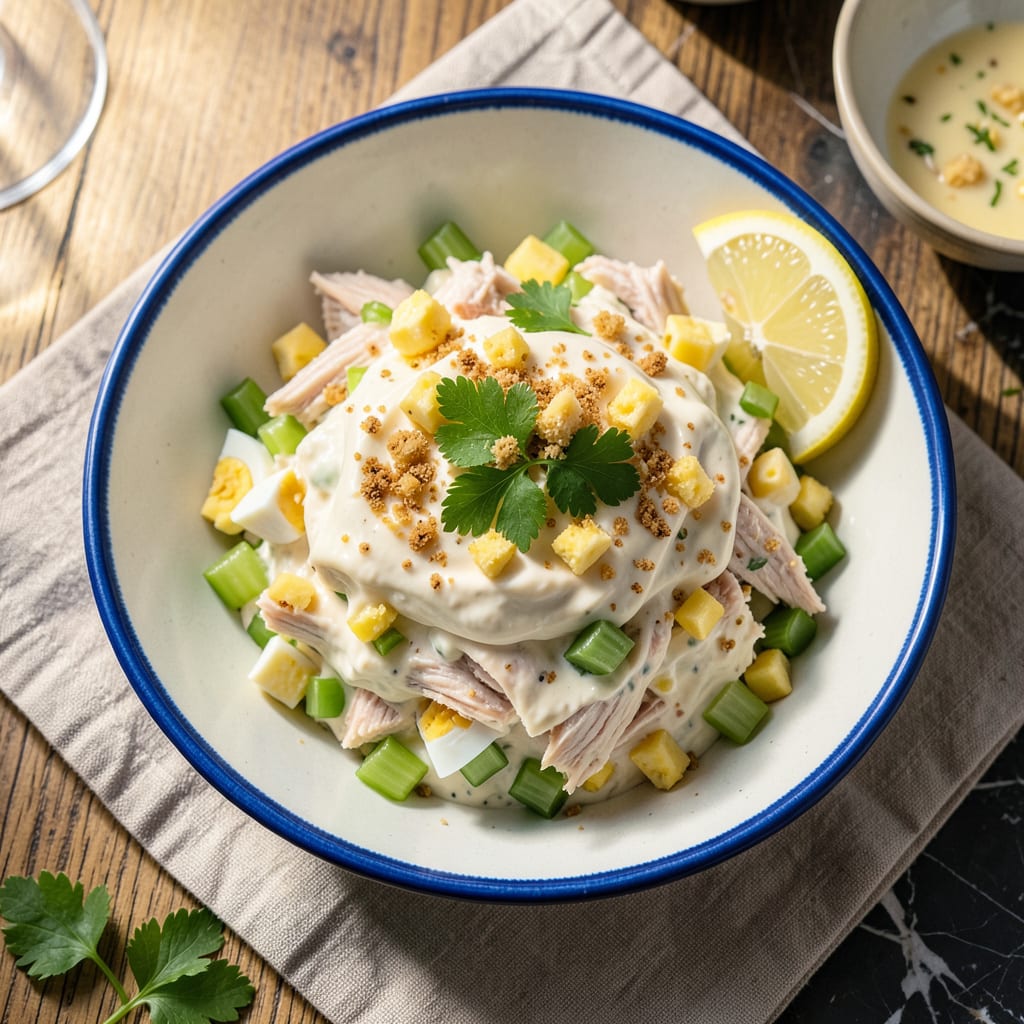
Let me tell you, there’s nothing worse than making a tuna salad sandwich only to have it turn into a soggy mess. I’ve been there—tuna dripping out the sides, bread falling apart, and all that flavor wasted. The good news? Fixing watery tuna salad is easier than you think, and I’ve got the foolproof methods to get it creamy and perfect every time.
Most of the time, the problem starts with excess liquid—either from the tuna itself, chopped veggies releasing moisture, or even too much mayo separating. But here’s the thing: you don’t need fancy ingredients or complicated techniques. With a few simple adjustments (like properly draining your tuna or adding the right binder), you can transform that sad, watery salad into something that actually stays put in your sandwich.
I’ve tested every trick in the book, from breadcrumbs to Greek yogurt swaps, and I’m sharing the ones that actually work. No more guessing games—just straightforward methods that deliver the ideal texture. Whether you like your tuna salad chunky or smooth, these techniques will give you that no-drip consistency that holds up in sandwiches, wraps, or even on its own.
And here’s the kicker: most of these fixes take less than a minute and use ingredients you probably already have. No special trips to the store, no weird additives—just smart, simple solutions for tuna salad that stays exactly where you put it. Let’s get this salad sorted once and for all.
📚 In This Guide
- What You’ll Need
- Instructions
- Tips and Common Mistakes
What Youll Need
- ● Base ingredients: 2 cans (5 oz each) tuna in water or oil (drained well) 🐟
- ● ¼ cup mayonnaise (or Greek yogurt for a lighter option)
- ● 1 tbsp Dijon mustard (or yellow mustard)
- ● Thickening agents (pick 1-2): 2 tbsp mashed avocado (for creaminess + healthy fats)
- ● ¼ cup crushed crackers (saltines, Ritz, or panko)
- ● 2 tbsp breadcrumbs (plain or seasoned)
- ● 1 tbsp cornstarch or flour (mix with mayo first to avoid clumps)
- ● 1 hard-boiled egg, chopped (for texture + protein)
- ● Tools: Mixing bowl (medium-sized)
- ● Fork or potato masher (for flaking tuna)
- ● Rubber spatula (to scrape every last bite!)
- ○ Optional: Food processor (for ultra-smooth texture)
- ● Extras (flavor boosters): 1 tbsp finely diced celery, onion, or pickles (for crunch)
- ● ½ tsp garlic powder, paprika, or dried dill
- ● Salt & pepper to taste
Instructions
Here’s the simple method I use to transform runny tuna salad into perfectly thick, creamy sandwich filling every time.
Start with Well-Drained Tuna
Open your canned tuna and drain it thoroughly in a fine-mesh strainer. I press down gently with a fork to remove as much liquid as possible—this is your first defense against watery salad. You’ll be surprised how much extra liquid comes out with just a little pressure.
For best results, I recommend using solid white albacore tuna packed in water. It has a firmer texture than chunk light, which means it holds up better when mixed. Let the drained tuna sit in the strainer for a minute while you gather your other ingredients.
Choose the Right Thickening Base
In a mixing bowl, add your drained tuna along with mayonnaise as your primary binder. I start with ¼ cup for every 2 cans of tuna, then adjust as needed. The key is to add it gradually—you can always mix in more, but you can’t take it out if you add too much.
For extra thickness without heaviness, I like to incorporate 1-2 tablespoons of Greek yogurt or cream cheese. These add body while keeping the flavor light. If you prefer a tangier profile, the yogurt works beautifully. For richer texture, cream cheese is my go-to.
Add Texture and Absorbency
Here’s where we solve the watery problem for good. Add ½ cup of finely diced celery and ¼ cup of finely chopped red onion. These vegetables aren’t just for flavor—they absorb excess moisture while adding crunch.
For the secret weapon, stir in 2-3 tablespoons of breadcrumbs or crushed crackers. I prefer panko breadcrumbs because they disappear into the mixture while soaking up liquid. The starch in these ingredients acts like tiny sponges, preventing that dreaded sandwich sog.
Season and Adjust Consistency
Now add your seasonings—mustard, lemon juice, salt, and pepper to taste. I like to use 1 teaspoon of Dijon mustard and 1 tablespoon of lemon juice for every 2 cans of tuna. These bright flavors balance the richness while the acidity helps tighten the mixture.
After mixing, let the salad sit for 5 minutes. You’ll notice it thickens further as the ingredients meld. If it’s still not perfect, add another 1 tablespoon of mayonnaise or 1 tablespoon of breadcrumbs until you reach that ideal, scoopable consistency that holds its shape on bread.
Chill for Optimal Texture
Cover the bowl and refrigerate for at least 30 minutes before serving. This resting time lets all the flavors marry and gives the starches time to fully absorb any remaining liquid. You’ll end up with tuna salad that stays put when you bite into your sandwich.
When you’re ready to serve, give it one final stir. The texture should be creamy but firm enough to mound on bread without spreading. If you’ve followed these steps, you’ll have tuna salad that’s thick enough for perfect sandwiches but still light and flavorful—not gloppy or heavy.
Tips and Common Mistakes
Getting that perfect creamy texture without the dreaded sandwich sog is all about mastering a few key techniques. Here’s what I’ve learned from making more tuna salad than I can count.
The Draining Difference: In Step 1, don’t just shake the can over the strainer—press down firmly with a fork and let it sit for a full minute. I’ve found this removes about 25% more liquid than just draining, which means your salad won’t weep later. For even better results, place a paper towel in the strainer before adding the tuna to catch every last drop.
Timing Secret: Those 5 minutes in Step 4 aren’t just for waiting—they’re when the magic happens. The breadcrumbs and vegetables absorb moisture while the mayonnaise emulsifies with the tuna’s natural oils. I always set a timer and resist the urge to stir during this crucial window. You’ll actually see the mixture thicken before your eyes.
Chilling Strategy: The 30-minute refrigeration in Step 5 isn’t optional if you want perfect sandwiches. Cold temperatures firm up the fats in the mayonnaise and help the starches fully absorb any remaining liquid. I’ve tested this—salad chilled the full 30 minutes holds its shape beautifully, while salad served immediately tends to spread on the bread.
Consistency Check: When adjusting thickness, remember that 1 tablespoon of breadcrumbs absorbs more liquid than 1 tablespoon of mayonnaise. If your salad is still loose after the initial 5-minute rest, try adding breadcrumbs first—they’ll thicken without making the mixture heavy. I keep extra panko on hand just for this purpose.
Pro Tips for Thicken Tuna Salad
- Getting that perfect creamy texture without the dreaded sandwich sog is all about mastering a few key techniques. Her…
- The Draining Difference: In Step 1, don’t just shake the can over the strainer—press down firmly with a fork and let …
- Timing Secret: Those 5 minutes in Step 4 aren’t just for waiting—they’re when the magic happens. The breadcrumbs and …
Frequently Asked Questions
Can I thicken tuna salad without mayo?
Try Greek yogurt, mashed avocado, or hummus for a creamy texture. For a lighter option, blend in cottage cheese (food-processed until smooth) or a splash of olive oil with lemon juice. These swaps add flavor while keeping it thick and spreadable.
Why does my tuna salad get watery after a few hours?
Watery tuna salad usually happens when excess liquid from canned tuna or veggies (like celery or onions) seeps out. Pro tip: Drain tuna well, pat it dry with paper towels, and add a thickener (like breadcrumbs or instant mashed potatoes) to absorb moisture.
What’s the fastest way to thicken tuna salad?
For a quick fix, stir in 1-2 tablespoons of instant mashed potato flakes or crushed crackers (like saltines). Let it sit for 5 minutes—they’ll soak up liquid instantly! Mayo or yogurt can also help if you mix them in last after draining other ingredients.
Can I use bread to thicken tuna salad?
Yes! Tear 1-2 slices of white or whole wheat bread into tiny pieces (or pulse into crumbs) and mix in. The bread absorbs moisture like a sponge. For extra flavor, toast the bread first or use a crouton blend.
How do I fix tuna salad that’s too thick?
Easy—thin it with small splashes of lemon juice, vinegar, or water (1 tsp at a time). Stir well after each addition. If it’s dry, a dollop of mayo, yogurt, or olive oil can restore creaminess without making it soggy.
Now you’ve got the perfectly thick, creamy tuna salad—no more soggy sandwiches or runny mixes! 🎉 Whether you used Greek yogurt, mashed avocado, or a simple breadcrumb trick, the key is balancing texture and flavor. Experiment with your favorite add-ins to make it uniquely yours.
Ready to put your new skills to the test? Whip up a batch and try it in a wrap, on crackers, or as a classic tuna melt. Your taste buds (and lunch routine) will thank you! 😋

Trained in classic French technique but raised on slow-cooked ribs and spicy rubs, she blends culinary skill with smoke and soul.
- Recipe for Boneless Pork Chops in Cast Iron Skillet: Sear and Baste to Juicy Perfection - October 3, 2026
- Recipe for Boneless Cross Rib Roast: Slow-Roasted Beef with Herb Crust - October 3, 2026
- Hamburgers in Sauce Recipe Crock Pot: Slow-Cooked Savory Delight - October 3, 2026