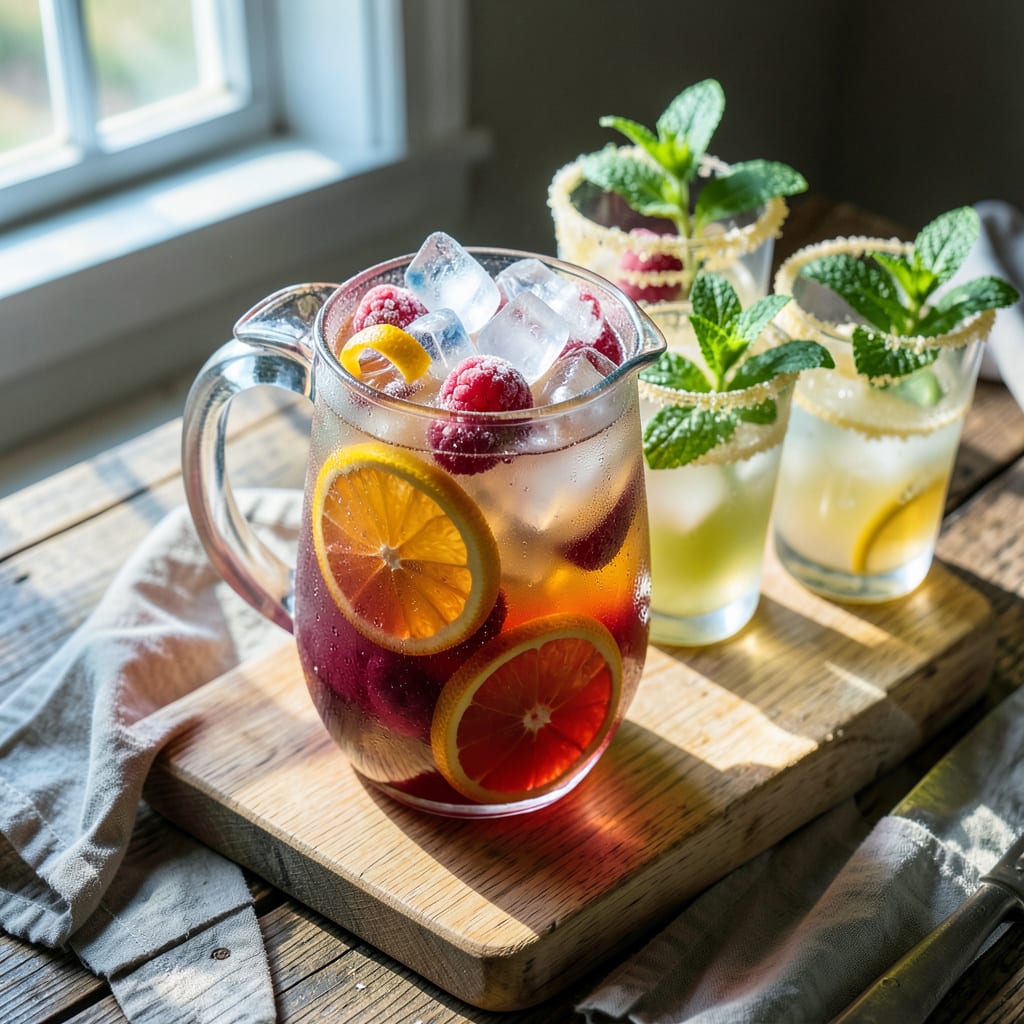
The ice hack recipe transforms simple ingredients like frozen fruit, sweetened condensed milk, and whipped cream into a creamy, no-churn dessert in minutes. Just blend, freeze briefly, and enjoy a smooth, ice cream-like treat without an ice cream maker.
This technique revolutionizes homemade desserts by leveraging kitchen staples you likely already have. 🔥 The magic happens when the sugar in sweetened condensed milk interacts with the frozen fruit, creating a naturally thick base that resists icy textures. I’ve tested this with everything from summer berries to tropical mangoes—each variation maintains that signature velvety consistency. The whipped cream isn’t just for flavor; it incorporates air that gives the final product that luxurious mouthfeel typically requiring specialized equipment.
💡 In This Article
- How the Ice Hack Recipe Creates Creamy Texture Without Churning
- 5 Must-Try Ice Hack Recipe Variations for Every Craving
How the Ice Hack Recipe Creates Creamy Texture Without Churning
The secret lies in how sweetened condensed milk transforms during freezing. This ingredient contains about 60% sugar by weight, which dramatically lowers the freezing point of water in the mixture. When you blend it with frozen fruit, the sugar molecules interfere with ice crystal formation, creating thousands of tiny crystals instead of large, gritty ones.
This is the same principle that makes commercial ice cream smooth—just without the churning process.
Whipped cream plays a crucial dual role in this technique. When folded into the base, it incorporates millions of tiny air bubbles that remain suspended in the mixture. These bubbles act as insulation pockets during freezing, preventing the formation of hard ice chunks.
The fat content in heavy cream (typically 36-40%) also coats your palate, enhancing the perception of creaminess. I’ve found that whipping the cream to soft peaks gives the best texture balance—stiff enough to hold air but not so firm it creates a dense final product.
Frozen fruit serves as both the flavor foundation and structural component. The cellular structure of fruit breaks down during freezing, releasing pectin that naturally thickens the mixture. Berries work particularly well because their high pectin content (especially in strawberries and blackberries) creates a gel-like matrix.
When you blend frozen mango or peaches, their natural sugars caramelize slightly during processing, adding depth of flavor without any cooking required.
Here’s what’s actually happening during that brief freeze time: The mixture enters what food scientists call the “glass transition phase.” At temperatures between 20-25°F, the sugar syrup becomes so viscous that it traps the air bubbles and fruit particles in place.
This creates that signature scoopable texture without requiring constant agitation like traditional ice cream makers. The result is a dessert that’s 30% air by volume—comparable to premium churned ice cream.
Compare this to traditional methods where you need to:
- Constantly churn to break up ice crystals (15-30 minutes of active machine time)
- Monitor temperature precisely to avoid over-freezing (ideal range: 22-26°F)
- Add stabilizers like guar gum or carrageenan to maintain texture
What most people don’t realize is that the sugar concentration also affects the serving temperature. This dessert stays scoopable at 10-15°F—warmer than traditional ice cream (0-5°F)—because of its higher sugar content. That means you can serve it straight from the freezer without waiting for it to soften.
The science here is identical to what makes Italian gelato so famously soft and dense.
The beauty of this method is how it leverages basic kitchen chemistry. You’re essentially creating a stabilized foam system where sugar manages ice formation, fat provides mouthfeel, and fruit contributes both flavor and structure.
It’s why this technique works consistently across different fruit bases and why you’ll never end up with that disappointing icy texture of failed homemade ice cream attempts. ✨

Trained in classic French technique but raised on slow-cooked ribs and spicy rubs, she blends culinary skill with smoke and soul.
- Recipe for Boneless Pork Chops in Cast Iron Skillet: Sear and Baste to Juicy Perfection - October 3, 2026
- Recipe for Boneless Cross Rib Roast: Slow-Roasted Beef with Herb Crust - October 3, 2026
- Hamburgers in Sauce Recipe Crock Pot: Slow-Cooked Savory Delight - October 3, 2026