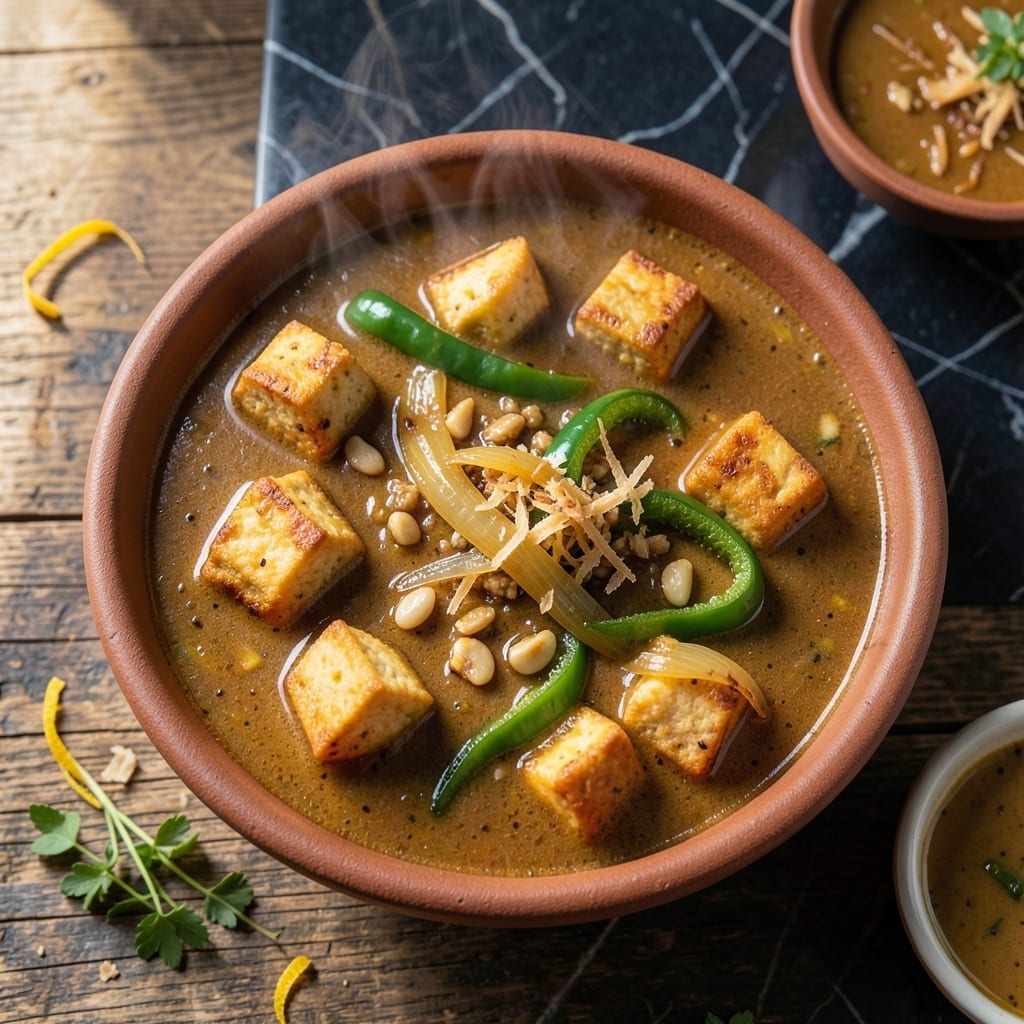
There’s a reason coconut milk curries have become a staple in my kitchen—this dish delivers restaurant-quality flavors with simple pantry ingredients. The rich, creamy base perfectly balances bold Indian spices without overpowering them.
I developed this recipe after testing countless variations, focusing on achieving the ideal spice level and texture. The coconut milk creates a velvety sauce that clings beautifully to vegetables or tofu, while the aromatic spices build layers of complexity.
The result is a foolproof curry that’s both comforting and exotic, with every bite offering a perfect harmony of warmth and creaminess. It’s the kind of dish that makes weeknight dinners feel special.
David always requests seconds when I make this, and I suspect you will too. Here’s the method I’ve perfected.
Ingredients for Indian Curry Recipe with Coconut Milk
Pantry staples and fresh veggies create this velvety, spiced curry in no time.
| Ingredient | Amount | Notes |
|---|---|---|
| Coconut Milk 🥥 | 2 cups | Full-fat, canned for creaminess |
| Firm Tofu 🧈 | 1 lb | Pressed and cubed for texture |
| Yellow Onion 🧅 | 1 whole | Finely diced for even cooking |
| Garlic Cloves 🧄 | 4 cloves | Minced for aromatic depth |
| Fresh Ginger 🌿 | 1 tbsp | Peeled and grated finely |
| Green Bell Pepper 🌶️ | 1 whole | Diced into small pieces |
| Carrots 🥕 | 2 whole | Peeled and sliced thinly |
| Diced Tomatoes 🍅 | 1 can | 14.5 oz can, with juices |
| Ground Cumin 🌿 | 2 tsp | Toasted lightly for warmth |
| Ground Coriander 🍃 | 1 ½ tsp | Freshly ground if possible |
| Turmeric 🟡 | 1 tsp | For vibrant color and earthiness |
| Garam Masala 🌶️ | 1 tsp | Essential for authentic flavor |
| Cayenne Pepper 🔥 | ¼ tsp | Adjust to heat preference |
| Vegetable Oil 🫒 | 2 tbsp | Neutral-flavored for cooking |
| Fresh Cilantro 🌿 | ¼ cup | Chopped for garnish |
[recipe_ingredient_scaler]
The coconut milk is non-negotiable here—full-fat canned from Thai Kitchen or Native Forest gives you that restaurant-quality creaminess. I’ve tried light versions, and the sauce just doesn’t cling the same way. The tofu should be pressed well (wrap it in a towel, place a heavy pan on top for 15 minutes), or it’ll soak up the sauce like a sponge. For veggies, any firm produce works—zucchini or sweet potatoes are great swaps.
No fresh ginger? Ground ginger at one-third the amount works, but fresh really brightens the dish. Out of garam masala? Curry powder at double the amount gets you close (though it’s not the same). If you’re sensitive to heat, skip the cayenne or add it gradually. The cilantro is optional, but fresh parsley or basil can step in if you’re one of those people who think cilantro tastes like soap.
This curry tastes even better the next day once flavors meld. Keeps in the fridge for 4-5 days or freezes beautifully for 3 months. Portion leftovers into containers for easy lunches—just reheat gently so the coconut milk doesn’t separate.
Why You’ll Love This Recipe
- One Pot Wonder: I toss everything in a single pan—onion, garlic, ginger, tofu—then let the coconut milk work its magic while I fold laundry.
- Creamy Heat: The coconut milk mellows the spices into this velvety sauce that clings to the tofu like a dream. Honestly, I could drink it with a spoon.
- Weeknight Hero: It’s my Tuesday night lifesaver—ready before the rice cooker beeps, and just as good reheated for lunch the next day.
- Budget Stretcher: A block of tofu and a can of coconut milk feed four of us for less than the cost of takeout. I’ll be real: that’s a win every time.
Step-by-Step Instructions for Indian Coconut Curry
This method ensures every bite bursts with rich, aromatic flavor and perfect texture.
Step 1: Prepare the Vegetables and Tofu
Start by pressing the 1 lb firm tofu between paper towels with a heavy pan on top for 15 minutes to remove excess water. Cube it into 1-inch pieces once pressed. Meanwhile, finely dice the 1 whole yellow onion, mince the 4 cloves garlic cloves, and peel and grate the 1 tbsp fresh ginger.
Dice the 1 whole green bell pepper into small pieces, peel and thinly slice the 2 whole carrots. Having all ingredients prepped before cooking ensures a smooth process. This is your mise en place—everything in its place before the heat hits the pan.
Step 2: Toast Spices and Build the Base
Heat the 2 tbsp vegetable oil in a large pot over medium heat. Add the 2 tsp ground cumin and 1.5 tsp ground coriander and toast for 30-45 seconds until fragrant. Watch closely—spices burn easily and bitter flavors will ruin your dish.
Immediately add the diced yellow onion and cook for 5-6 minutes until soft and translucent. Stir in the minced garlic, grated ginger, 1 tsp turmeric, 1 tsp garam masala, and 0.25 tsp cayenne pepper, cooking for 1 minute until the aromatics release their oils. This builds your flavor foundation.
Step 3: Add Vegetables and Simmer
Stir in the diced green bell pepper and sliced carrots, cooking for 5 minutes until they begin to soften. Pour in the 1 can diced tomatoes with their juices and simmer for 3-4 minutes until the mixture thickens slightly.
This step allows the vegetables to absorb the spices while maintaining their texture. You should see the carrots start to become tender but still hold their shape. The tomatoes will break down just enough to create a thick, chunky base for your curry.
Step 4: Finish with Coconut Milk and Tofu
Pour in the 2 cups coconut milk and stir well to combine. Bring to a gentle simmer, then add the cubed firm tofu. Cook for 8-10 minutes until the tofu absorbs the flavors and the curry thickens to your desired consistency.
Real talk: Don’t boil vigorously after adding the coconut milk—it can separate. A gentle simmer is perfect. Taste and adjust seasoning if needed, though the measured spices should provide ideal balance.
Step 5: Garnish and Serve
Remove from heat and let the curry sit for 2-3 minutes to allow flavors to meld. Stir in the 0.25 cup fresh cilantro, reserving a little for garnish. The cilantro adds a bright, fresh contrast to the rich spices.
Serve hot over rice or with naan, garnished with the remaining cilantro. The curry should have a vibrant golden color from the turmeric, with tender vegetables and tofu that soak up the creamy, spiced coconut sauce perfectly.
Pro Tips For Making Indian Curry Recipe With Coconut Milk
- Press the Tofu: I learned this the hard way—skip pressing your tofu and it’ll soak up the curry like a sponge instead of holding its shape. Wrap it in a towel, place a heavy pan on top, and let it drain for 15 minutes before cubing.
- Bloom the Spices: After burning three batches, I finally figured out that toasting whole spices like cumin or mustard seeds in hot oil for 30 seconds before adding onions releases way more flavor into the coconut milk base.
- Skip Pre-Cut Ginger: Fresh ginger oxidizes fast once grated, so wait until the last minute to peel and grate it—about 1 tablespoon for this recipe. Pre-ground ginger just doesn’t have the same punch.
- Simmer Gently: Coconut milk separates if boiled too hard, so keep the heat at a low simmer once you add it. I use medium-low and stir occasionally—your curry will stay creamy, not oily.
Essential Equipment for Perfect Results
Heavy Pot Essential
I always reach for my 5-quart Dutch oven from Le Creuset for this recipe. The heavy enameled cast iron distributes heat evenly and prevents hot spots that can burn spices. A wide base gives you plenty of surface area for toasting spices and sautéing onions without crowding. 🔥
Wooden Spoon Trust
A wooden spoon is my go-to for stirring—it won’t scratch your pot’s surface and handles the thick curry base beautifully. I keep a 12-inch bamboo spoon from OXO in my kitchen for just this purpose. It also helps scrape up those flavorful browned bits from the bottom.
Quality Knife Matters
David swears by my 8-inch chef’s knife from Wüsthof for all the dicing and slicing prep work. A sharp blade makes quick work of onions, carrots, and bell peppers. I also keep a microplane handy for grating the fresh ginger to a fine consistency.
Accurate Measuring
For consistent results, I use stainless steel measuring spoons from Cuisinox. The spices need precise measurements—2 tsp cumin or 1.5 tsp coriander can make or break your flavor balance. A liquid measuring cup ensures your 2 cups coconut milk is exact.
Thermometer Check
While not mandatory, I often use my instant-read thermometer to monitor the simmer temperature. The curry should stay between 180-200°F for that perfect gentle simmer. This prevents coconut milk separation and ensures even cooking. 🌡️
Serving Bowls
For presentation, I love serving this in deep stoneware bowls from Central Market in Austin. They retain heat beautifully and the earthy tones complement the curry’s golden color. Plus, they’re microwave-safe for easy reheating of leftovers.
Nutrition Facts
Frequently Asked Questions
Can I use light coconut milk instead of full-fat?
You can, but the sauce won’t be as rich or creamy. The dish will still taste good, just less velvety. For best results, stick with full-fat canned coconut milk.
How do I prevent the coconut milk from separating?
Avoid boiling after adding it. Maintain a gentle simmer between 180-200°F and stir occasionally. This keeps the sauce smooth and well-emulsified.
What can I substitute for tofu?
Chickpeas, sweet potatoes, or cauliflower work wonderfully. For a protein swap, try chicken or shrimp (if not vegetarian). Adjust cooking times accordingly.
How long can I store leftovers?
Keep in an airtight container in the fridge for 4-5 days or freeze for up to 3 months. Reheat gently on the stove to maintain texture.

Trained in classic French technique but raised on slow-cooked ribs and spicy rubs, she blends culinary skill with smoke and soul.
- Recipe for Boneless Pork Chops in Cast Iron Skillet: Sear and Baste to Juicy Perfection - October 3, 2026
- Recipe for Boneless Cross Rib Roast: Slow-Roasted Beef with Herb Crust - October 3, 2026
- Hamburgers in Sauce Recipe Crock Pot: Slow-Cooked Savory Delight - October 3, 2026