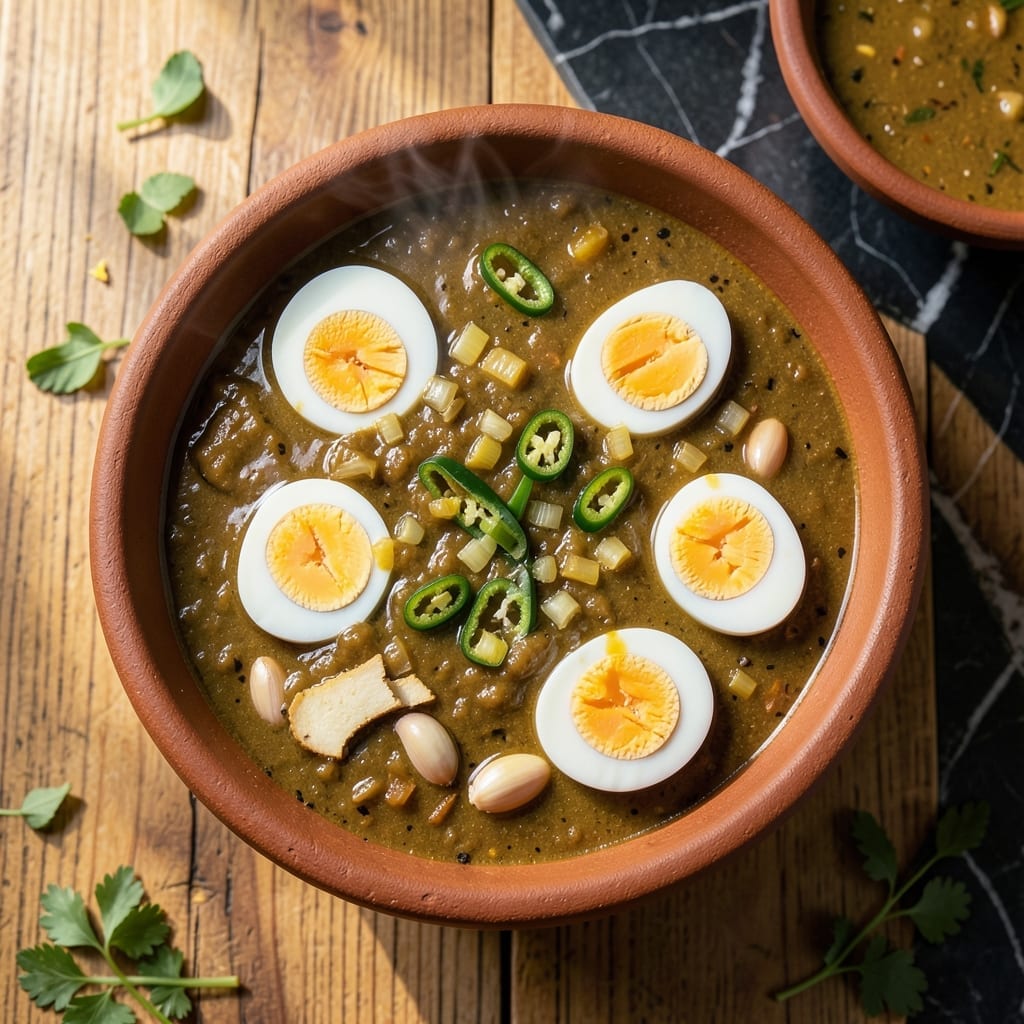
This South Indian-style egg curry transforms hard-boiled eggs into a creamy, aromatic masterpiece with coconut at its heart. I developed this recipe to bring restaurant-quality flavors to home kitchens without complicated techniques.
The coconut milk base creates a velvety sauce that perfectly balances the warm spices. Each egg absorbs the rich masala, delivering layers of flavor in every bite. The process is straightforward yet builds depth through careful spice toasting.
What emerges is a dish with creamy texture and complex aromatics that feels special enough for company. The coconut tempers the heat while adding natural sweetness to complement the savory spices.
Serve with steamed rice or naan to soak up every last drop of this satisfying curry.
Ingredients for Indian Egg Curry Recipe with Coconut
These ingredients build a creamy, aromatic curry with restaurant-quality depth and rich coconut undertones.
| Ingredient | Amount | Notes |
|---|---|---|
| Hard-Boiled Eggs 🥚 | 8 whole | Peeled, halved lengthwise |
| Coconut Milk 🥥 | 2 cups | Full-fat for creaminess |
| Yellow Onion 🧅 | 1 whole | Finely diced for base |
| Garlic Cloves 🧄 | 4 cloves | Minced for aromatic depth |
| Fresh Ginger 🌿 | 1 tbsp | Peeled and grated |
| Green Chili Peppers 🌶️ | 2 whole | Finely chopped, seeds removed |
| Ground Cumin 🌿 | 1 tsp | Toasted for warmth |
| Ground Coriander 🌿 | 1 ½ tsp | Earthy, citrusy base |
| Ground Turmeric 🌶️ | ½ tsp | For color and earthiness |
| Garam Masala 🌶️ | 1 tsp | Freshly ground preferred |
| Fresh Cilantro 🌿 | ½ cup | Chopped for garnish |
| Diced Tomatoes 🍅 | 1 can | Fire-roasted for depth |
| Olive Oil 🫒 | 2 tbsp | For sautéing aromatics |
| Salt 🧂 | 1 ½ tsp | Adjust to taste |
| Freshly Ground Black Pepper 🌶️ | ½ tsp | To taste |
[recipe_ingredient_scaler]
The coconut milk is non-negotiable here—full-fat canned from Thai Kitchen or Goya delivers the velvety texture promised. Hard-boiled eggs should be freshly prepared (older eggs peel easier) and halved lengthwise for maximum sauce absorption. For the tomatoes, fire-roasted diced from Muir Glen adds a subtle smokiness that complements the spices beautifully. most grocery stores carry these.
No garam masala? Equal parts cumin, coriander, and cinnamon gets you close. Fresh ginger can be swapped for ground ginger at one-third the amount. Short on cilantro? Parsley works (though the flavor profile changes). The green chilies can be jalapeños or serranos—adjust quantity for heat preference. For a richer sauce, replace one cup of water with coconut cream.
The curry develops more depth overnight—store in an airtight container for up to 3 days in the fridge. Freezes beautifully for 2 months. Reheat gently to preserve the creamy texture (don’t boil vigorously). Fresh cilantro is best added just before serving.
Why You’ll Love This Recipe
- One Pot Wonder: I can sauté the onion, garlic, and ginger, then simmer everything in coconut milk—all in the same pan.
- Rich Coconut Depth: The creamy coconut milk soaks into the eggs, making every bite ridiculously good.
- Meal Prep Hero: I make a big batch on Sunday and it tastes even better reheated for lunch on Tuesday.
- Budget Stretcher: Hard-boiled eggs and pantry staples keep this dish cheap, but it feels like a restaurant meal.
Step-by-Step Instructions for South Indian-Style Egg Curry With Coconut
Master the technique for a rich, aromatic curry that balances spice with creamy coconut depth.
Step 1: Sauté the Aromatic Base
Heat the 2 tbsp olive oil in a heavy-bottomed pot over medium heat. Add the finely diced yellow onion and cook for 5-6 minutes until translucent and just beginning to caramelize at the edges. This builds the sweet foundation for your curry.
Add the minced 4 cloves garlic cloves, 1 tbsp fresh ginger, and finely chopped 2 whole green chili peppers. Sauté for 2-3 minutes until the raw aroma dissolves and the mixture becomes fragrant. Stir frequently to prevent burning—the ginger and garlic can scorch quickly.
Step 2: Bloom the Spices and Tomatoes
Reduce heat to medium-low and add the 1 tsp ground cumin, 1.5 tsp ground coriander, and 0.5 tsp ground turmeric. Toast for 30-45 seconds until the spices release their oils and deepen in color. You’ll notice the mixture turning slightly darker—this indicates the spices are properly bloomed.
Immediately add the 1 can diced tomatoes with their juices. Stir well to combine, then cook for 5-6 minutes until the tomatoes break down and the mixture thickens slightly. Season with 1.5 tsp salt and 0.5 tsp freshly ground black pepper, adjusting to taste as needed.
Step 3: Simmer with Coconut Milk
Pour in the 2 cups coconut milk, stirring to incorporate all the spices and tomato mixture. Increase heat to medium-high and bring to a gentle simmer. Reduce heat to medium-low and let it cook uncovered for 8-10 minutes, stirring occasionally.
The sauce will thicken slightly and develop a rich, creamy texture. Watch for small bubbles at the edges and a velvety sheen on the surface—this signals the coconut milk has fully emulsified with the spices. The aroma should be deeply fragrant with a balance of warmth and earthiness.
Step 4: Finish with Eggs and Garam Masala
Gently add the 8 whole hard-boiled eggs, halved lengthwise, to the pot. Spoon the sauce over the eggs to coat them evenly. Sprinkle the 1 tsp garam masala over the top and stir lightly to distribute without breaking the eggs.
Simmer for an additional 5-7 minutes to allow the eggs to absorb the flavors. The sauce should coat the back of a spoon, and the eggs should be heated through. Taste and adjust the seasoning if needed—the flavors should be bold but balanced.
Step 5: Garnish and Serve
Remove from heat and let the curry rest for 2-3 minutes. This allows the flavors to meld fully. Sprinkle with the 0.5 cup fresh cilantro, reserving a little for garnish.
Serve hot, ensuring each portion includes plenty of the creamy sauce and eggs. The eggs should be tender and infused with the aromatic spices, while the sauce should have a luxurious, velvety consistency from the coconut milk.
Pro Tips For Making Indian Egg Curry Recipe With Coconut
- Simmer the Coconut: Let the coconut milk reduce on medium-low for 8-10 minutes to thicken—this deepens the flavor and keeps the curry from tasting watery.
- Peel Eggs Carefully: Use slightly undercooked eggs (10 minutes in boiling water) so the yolks stay moist when simmered in the curry. Cold water bath after boiling helps with peeling.
- Bloom the Spices: Cook the onion, ginger, and garlic until golden before adding spices—this prevents a raw taste and builds a rich base.
- Toast the Coconut: I learned this the hard way—sauté the coconut milk solids (or fresh coconut) for 2 minutes before adding liquid to remove any raw coconut flavor.
Common Mistakes When Making This Dish
Skipping the Bloom
Never add spices directly to cold oil or coconut milk without toasting first. The 30-45 seconds of blooming over medium-low heat wakes up the cumin, coriander, and turmeric, releasing their essential oils. Skipping this step leaves your curry tasting flat and powdery. I learned this the hard way with my first batch!
Overcooking the Eggs
Add the hard-boiled eggs only during the final 5-7 minutes of simmering. Any longer and they’ll turn rubbery, absorbing too much liquid. The goal is for them to soak up flavor without losing their tender texture. Halve them lengthwise for maximum sauce penetration.
Wrong Coconut Milk
Always use full-fat canned coconut milk—light versions or carton varieties lack the richness needed to balance the spices. Brands like Thai Kitchen or Goya work perfectly. The fat content is what creates that velvety sauce you’re aiming for. 🥥
Rushing the Onions
Cook the diced yellow onion for the full 5-6 minutes until translucent. Undercooked onions add a harsh bite that competes with the spices. Patience here builds the sweet, aromatic base that makes this dish sing.
Ignoring the Simmer
Let the sauce simmer uncovered for 8-10 minutes after adding the coconut milk. This allows the liquid to reduce slightly and the flavors to meld. Boiling vigorously can cause the coconut milk to separate, so keep it at a gentle simmer.
Skipping the Rest
Always let the curry rest for 2-3 minutes off the heat before serving. This final pause lets the garam masala and other spices distribute evenly. The eggs will also reabsorb some sauce, making every bite more flavorful. 💡
Nutrition Facts
Frequently Asked Questions
Can I use frozen eggs for this curry?
Fresh hard-boiled eggs work best, but thawed frozen eggs can be used. Ensure they’re fully thawed and drained before adding. Avoid refreezing after cooking.
How do I adjust the spice level?
Reduce or omit the green chilies for mild heat. For extra spice, add 1/2 tsp cayenne pepper with the other spices. Always taste and adjust gradually.
What can I substitute for garam masala?
Use 1/2 tsp each cumin and coriander plus a pinch of cinnamon. The blend won’t be identical but will still add warm depth to the dish.
How long does this curry keep in the fridge?
Store in an airtight container for up to 3 days. Reheat gently on the stove to preserve the creamy texture. Avoid microwaving, as it can separate the sauce.

Trained in classic French technique but raised on slow-cooked ribs and spicy rubs, she blends culinary skill with smoke and soul.
- Recipe for Fried Prawns Batter: Ultra-Crispy Golden Shell - October 3, 2026
- Indian Lamb Curry Recipe Pressure Cooker: Fragrant Spices in a Fraction of the Time - October 3, 2026
- Recipe for Oven Roasted: Golden Crisp Perfection Without the Fryer - October 3, 2026