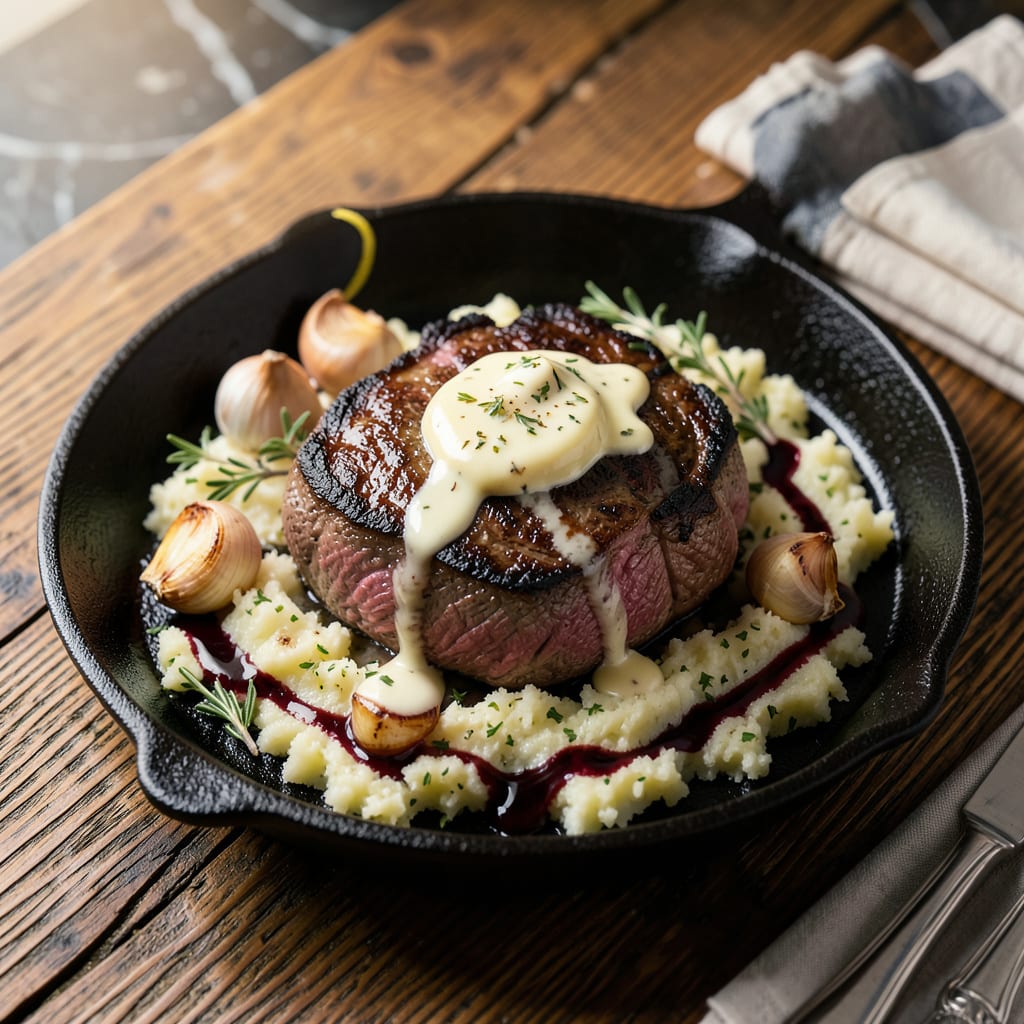
Beef eye round steak is a lean, budget-friendly cut with mild beefy flavor and firmer texture. It’s less tender than premium cuts but excellent for marinating, slow cooking, or thin slicing in dishes like stir-fries or Philly cheesesteaks.
I love working with this cut because it rewards smart preparation. The secret lies in its low fat content—it absorbs marinades like a sponge, making it perfect for bold flavors. When I’m prepping for a busy week, I’ll slow-cook it with onions and peppers until it practically melts. For quick meals, thinly sliced against the grain and flash-seared gives you that satisfying chew without toughness. ✨
What surprises most home cooks is how versatile it becomes with the right technique. Unlike pricier cuts that shine with simple seasoning, eye round demands creativity—think citrus-based marinades to break down fibers or low-and-slow braising to transform its texture. I’ve even used it in place of flank steak for fajitas when I want to stretch my grocery budget further. 🔥
💡 In This Article
- Flavor and Texture Profile of Eye Round Steak
- Best Cooking Techniques for Eye Round Steak Success
Flavor and Texture Profile of Eye Round Steak
This cut comes from the cow’s rear leg—specifically the eye of the round muscle that gets constant exercise. That’s why it’s so lean, with only about 4-5% fat content compared to ribeye’s 15-20%. The constant movement develops more connective tissue, giving it that characteristic firm bite.
What surprises many is how this leanness actually works in your favor for absorbing flavors—like a culinary sponge waiting for your marinade magic. 🔥
The flavor profile leans toward mild beefiness without the intense richness of fattier cuts. Think of it as the chicken breast of beef—versatile but needing help to shine. When raw, it appears deep red with minimal marbling (those white fat streaks you see in premium cuts).
Cooked properly, it transforms from tough to tender with a satisfying chew, especially when sliced paper-thin against the grain. The texture reminds me of well-prepared London broil but with slightly finer fibers.
What makes it unique is its muscle fiber structure. Under a microscope, you’d see tightly packed bundles compared to the looser arrangement in tenderloin. This density means it holds up beautifully to long cooking times without falling apart—perfect for dishes where you want meat that maintains its shape.
I’ve found it particularly brilliant in Vietnamese pho where it needs to withstand hours of simmering while still offering that clean beef taste.
Compared to its neighbors, eye round sits between top round (slightly more tender) and bottom round (chewier). It lacks the bold beefiness of sirloin but makes up for it in adaptability. The key is working with its natural characteristics rather than fighting them.
When I’m teaching students about beef cuts, I describe it as the workhorse of the round primal—not glamorous, but incredibly reliable when you understand its strengths. ✨
Temperature control becomes crucial with this cut. Overcooking beyond medium (145°F) turns it shoe-leather tough, while rare (125°F) can feel unpleasantly chewy. The sweet spot lies in that 130-135°F range where the fibers relax just enough.
This narrow window is why so many home cooks get frustrated—they treat it like a ribeye when it demands the precision of a brisket. 💫
Here’s what most people miss: the eye round’s silverskin (that tough membrane) must be removed before cooking. This thin but mighty layer can ruin your texture if left intact. A sharp boning knife and 30 seconds of careful trimming makes all the difference.
I’ve seen this simple step transform disappointing steaks into restaurant-quality plates—it’s the kind of detail that separates good cooks from great ones. ⚡
For sensory comparison, imagine the difference between grilled chicken breast and thigh. The eye round offers that same lean-to-rich spectrum within beef cuts. When prepared correctly, it delivers a clean beef flavor with just enough resistance to make each bite satisfying—like the perfect al dente pasta, but with meat.
This balance is why it’s my secret weapon for budget-friendly meals that still feel special. 🌟

Trained in classic French technique but raised on slow-cooked ribs and spicy rubs, she blends culinary skill with smoke and soul.
- Recipe for Boneless Pork Chops in Cast Iron Skillet: Sear and Baste to Juicy Perfection - October 3, 2026
- Recipe for Boneless Cross Rib Roast: Slow-Roasted Beef with Herb Crust - October 3, 2026
- Hamburgers in Sauce Recipe Crock Pot: Slow-Cooked Savory Delight - October 3, 2026