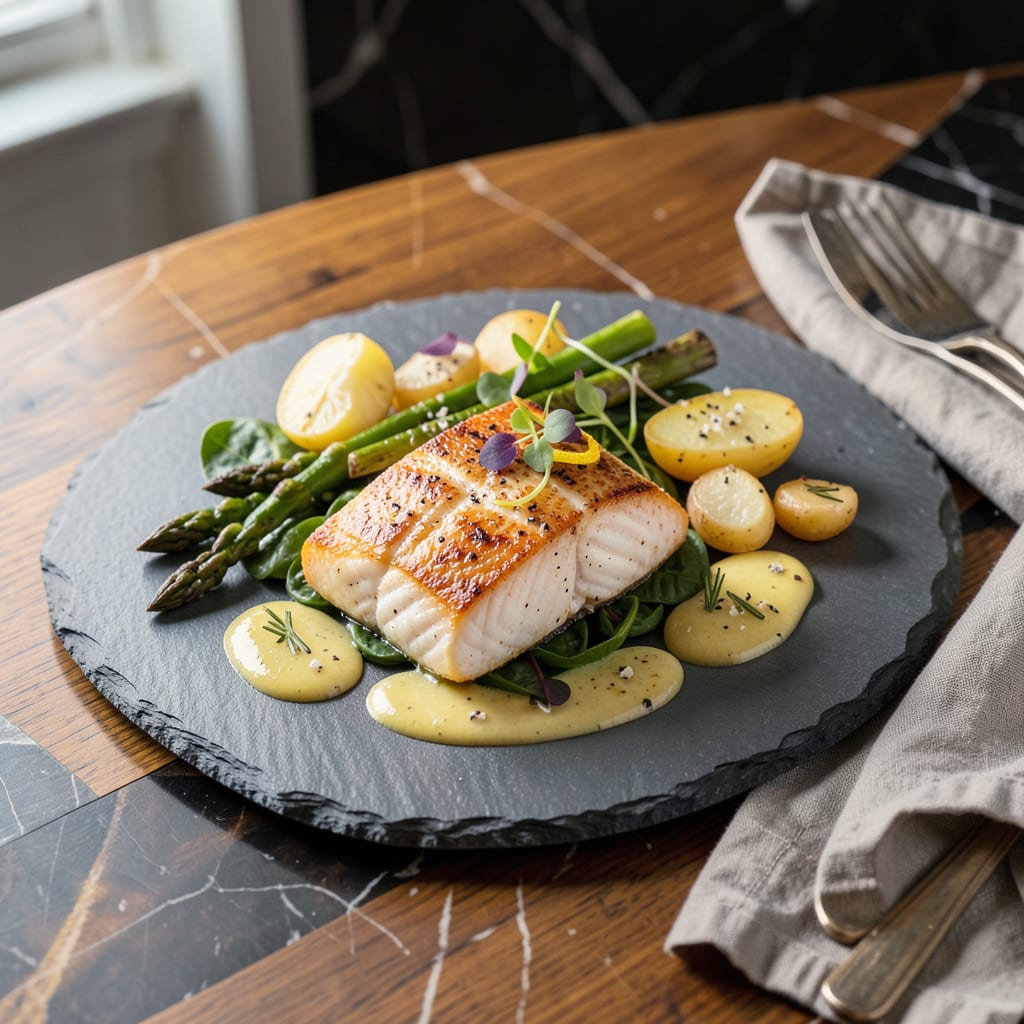
Fresh fish typically lasts 1-2 days in the fridge when stored properly at 40°F or below. Cooked fish keeps slightly longer—3-4 days—but should be sealed tightly. Always check for sour smells or slimy texture before use.
I’ve learned the hard way that fridge storage isn’t just about time—it’s about strategy. The difference between fish staying fresh for a day versus two often comes down to how quickly you get it chilled after purchase and where you place it in your fridge. 🔥 That coldest back corner isn’t just real estate—it’s your fish’s lifeline against bacterial growth, which doubles every 20 minutes at room temperature.
What many don’t realize is that fatty fish like salmon actually spoil faster than lean varieties like cod because those oils oxidize quickly. I always recommend using a paper towel to absorb excess moisture before sealing—this simple step can buy you an extra 12 hours of freshness. And here’s my pro tip: if you’re not cooking it immediately, place the container on a bed of ice inside your fridge to maintain that critical 40°F threshold. ✨
💡 In This Article
- Factors Affecting Fish Freshness in the Fridge
- Proper Fish Storage Techniques to Extend Shelf Life
Factors Affecting Fish Freshness in the Fridge
The battle against fish spoilage starts with understanding bacterial growth rates. At 40°F, most bacteria multiply slowly, but every 5°F increase doubles their reproduction speed. That’s why your fridge’s back corner—typically the coldest spot—becomes prime real estate for fish storage.
🔥 The danger zone begins at 45°F, where spoilage bacteria like Pseudomonas and Shewanella thrive, breaking down proteins into foul-smelling amines.
Fish type dramatically impacts shelf life due to fat content and enzyme activity. Fatty fish like salmon or mackerel contain more omega-3s that oxidize rapidly, while lean fish like cod or flounder last longer because their lower fat content means fewer oxidation reactions.
I’ve noticed wild-caught fish often spoils faster than farmed due to higher natural enzyme levels from their active lifestyles. The initial freshness at purchase matters too—fish caught 24 hours prior will always outlast those sitting on ice for days at the market.
Packaging methods create microenvironments that either accelerate or slow spoilage. Air exposure is the enemy—oxygen fuels both bacterial growth and fat oxidation. Vacuum-sealed fish lasts 2-3 times longer than loosely wrapped because it eliminates oxygen. 💫 Even simple plastic wrap creates a better barrier than nothing, though I prefer glass containers which don’t absorb odors.
The moisture factor is critical too—excess liquid promotes bacterial growth, while too little causes protein denaturation and dryness.
Enzymes play a sneaky role in texture degradation that many overlook. Fish contain proteases that break down muscle proteins even at refrigeration temperatures. This is why previously frozen fish often turns mushy faster—freezing damages cell walls, releasing more enzymes when thawed. The gills are another spoilage hotspot, containing concentrated enzymes that spread through the flesh.
That’s why I always remove gills immediately after purchase when possible.
Temperature fluctuations create invisible damage. Every time you open your fridge door, the temperature can spike 10-15°F in that area. ✨ This is why commercial fish storage uses constant-temperature systems. Home fridges with frequent door openings may reduce fish freshness by 30-50% compared to undisturbed storage. The solution?
Store fish in the coldest zone (usually above the vegetable crisper) and minimize door openings.
Here’s what most people miss about the “sniff test”: the ammonia-like smell comes from bacterial breakdown of proteins into volatile nitrogen compounds. Sliminess develops as bacteria produce extracellular polysaccharides that create that telltale slippery film.
🌟 These changes start at the microscopic level long before they’re visible, which is why I recommend the “finger test”—press the flesh gently; if the indentation doesn’t spring back, enzymes have already begun breaking down the protein structure.
The initial handling at purchase sets the freshness clock. Fish exposed to warm air at the market for 30+ minutes may already have 24 hours less fridge life than properly iced specimens. I always ask when the fish arrived and how it was stored—those details determine whether I’ll cook it that night or the next.
Pro tip: If buying from a display case, choose pieces buried in ice rather than those sitting on top, as they’ve been exposed to less temperature variation.

Trained in classic French technique but raised on slow-cooked ribs and spicy rubs, she blends culinary skill with smoke and soul.
- Recipe for Boneless Pork Chops in Cast Iron Skillet: Sear and Baste to Juicy Perfection - October 3, 2026
- Recipe for Boneless Cross Rib Roast: Slow-Roasted Beef with Herb Crust - October 3, 2026
- Hamburgers in Sauce Recipe Crock Pot: Slow-Cooked Savory Delight - October 3, 2026