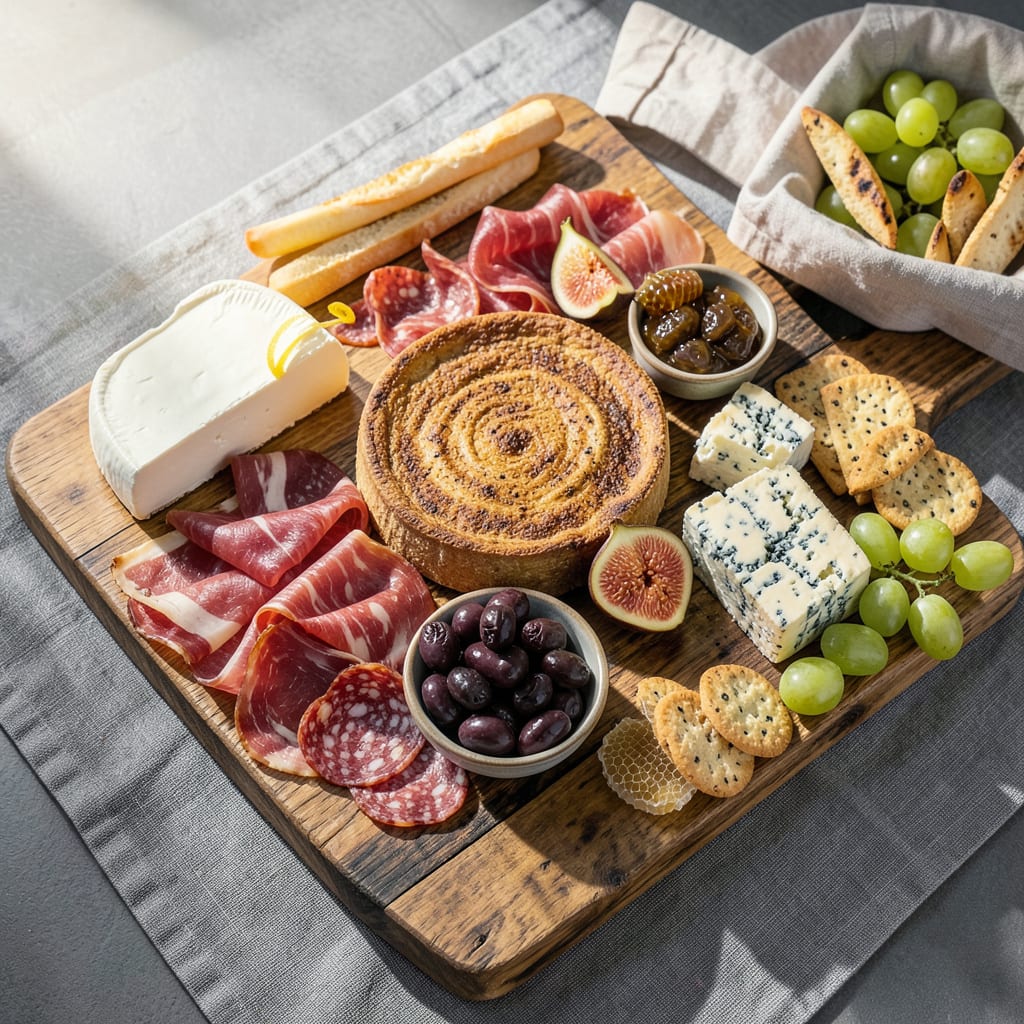
Traditional charcuterie meats like prosciutto, salami, and capicola are naturally gluten-free, but some processed or flavored varieties may contain gluten additives. Always check labels for hidden ingredients like wheat-based fillers or cross-contamination warnings.
As a chef who’s spent years sourcing meats for charcuterie boards, I’ve learned that the curing process itself doesn’t introduce gluten—it’s the modern shortcuts that create risks. 🔥 Many manufacturers add modified food starch (often wheat-based) as a binder or malt vinegar for tanginess in mass-produced varieties. Even “natural flavors” can sometimes hide gluten derivatives. The safest options are traditionally dry-cured meats from reputable producers, where the ingredient list contains nothing but meat, salt, and time-honored spices.
What surprises most people is how often cross-contamination occurs during slicing or packaging. I always recommend asking your butcher to use a freshly cleaned slicer and to package your selection separately from gluten-containing products. For pre-packaged options, look for certified gluten-free labels—they’re your best guarantee when serving guests with sensitivities.
💡 In This Article
- Hidden Gluten Risks in Processed Charcuterie Meats
- Building a 100% Gluten-Free Charcuterie Board: Safe Choices and Swaps
Hidden Gluten Risks in Processed Charcuterie Meats
The curing process for traditional charcuterie relies on salt, time, and sometimes wine or vinegar—but modern manufacturing often introduces gluten through additives. Modified food starch (frequently wheat-derived) appears in many mass-produced salamis as a binder to improve texture and sliceability.
Even “natural flavors” can contain hydrolyzed wheat protein, while malt vinegar (common in some British-style cured meats) is a direct gluten source. These additives aren’t just in budget brands; I’ve seen them in premium products marketed as “artisanal.”
Cooked or smoked charcuterie carries higher risk than dry-cured varieties. When manufacturers cook meats like mortadella or some bologna styles, they often add wheat-based fillers to retain moisture during heating. Dry-cured options (prosciutto, Serrano ham, bresaola) skip this step entirely, relying on salt and air drying.
The safest choices are 100% meat + salt products with no added “flavor enhancers” or “texturizers.” Look for labels listing only meat, salt, spices, and perhaps wine or sugar—nothing with vague terms like “starch” or “dextrin.”
Cross-contamination during processing is another silent threat. Many facilities produce both gluten-containing and gluten-free products on shared equipment. A study by the Gluten Intolerance Group found that 32% of “gluten-free” labeled meats tested positive for gluten due to processing errors. This is why certified gluten-free labels matter—they require dedicated production lines and rigorous testing.
When in doubt, call the manufacturer to ask about shared facilities and cleaning protocols.
Here’s what surprises most people: even the casing can be problematic. Some synthetic casings contain gluten as a processing aid, while natural casings are typically safe. Traditional dry-cured meats in natural casings (like Spanish chorizo or Italian soppressata) are your safest bet.
For cooked products, check if the casing is edible—if it’s designed to be removed, it’s less likely to contain gluten, but always verify with the producer.
The flavorings added post-cure often introduce hidden gluten. Soy sauce (a common salami ingredient), teriyaki glaze, or even smoked paprika blends can contain wheat. I once found a “gourmet” pepperoni that used wheat flour as a carrier for its spice blend.
Always scrutinize the ingredient list for anything beyond basic spices—especially in flavored varieties like “honey mustard salami” or “beer-braised coppa.” When building boards for sensitive guests, I stick to plain, traditionally cured meats and add gluten-free flavors separately (like drizzling honey or sprinkling herbs).
Pro tip: European-regulated products (especially from Italy or Spain) tend to have stricter labeling laws. Look for DOP (Protected Designation of Origin) or IGP (Protected Geographical Indication) labels—these traditional products are less likely to contain modern additives. For example, authentic Prosciutto di Parma DOP contains only pork and salt, with no risk of gluten contamination.
✨
When sampling at specialty shops, ask to see the full ingredient list before purchasing. Many small producers are happy to share their process details—true artisans take pride in their minimalist ingredient lists.
I’ve found that butchers who cure their own meats in-house are often the safest source, as they control every step of the process without relying on pre-made mixes that might contain hidden gluten.

Trained in classic French technique but raised on slow-cooked ribs and spicy rubs, she blends culinary skill with smoke and soul.
- Recipe for Boneless Pork Chops in Cast Iron Skillet: Sear and Baste to Juicy Perfection - October 3, 2026
- Recipe for Boneless Cross Rib Roast: Slow-Roasted Beef with Herb Crust - October 3, 2026
- Hamburgers in Sauce Recipe Crock Pot: Slow-Cooked Savory Delight - October 3, 2026