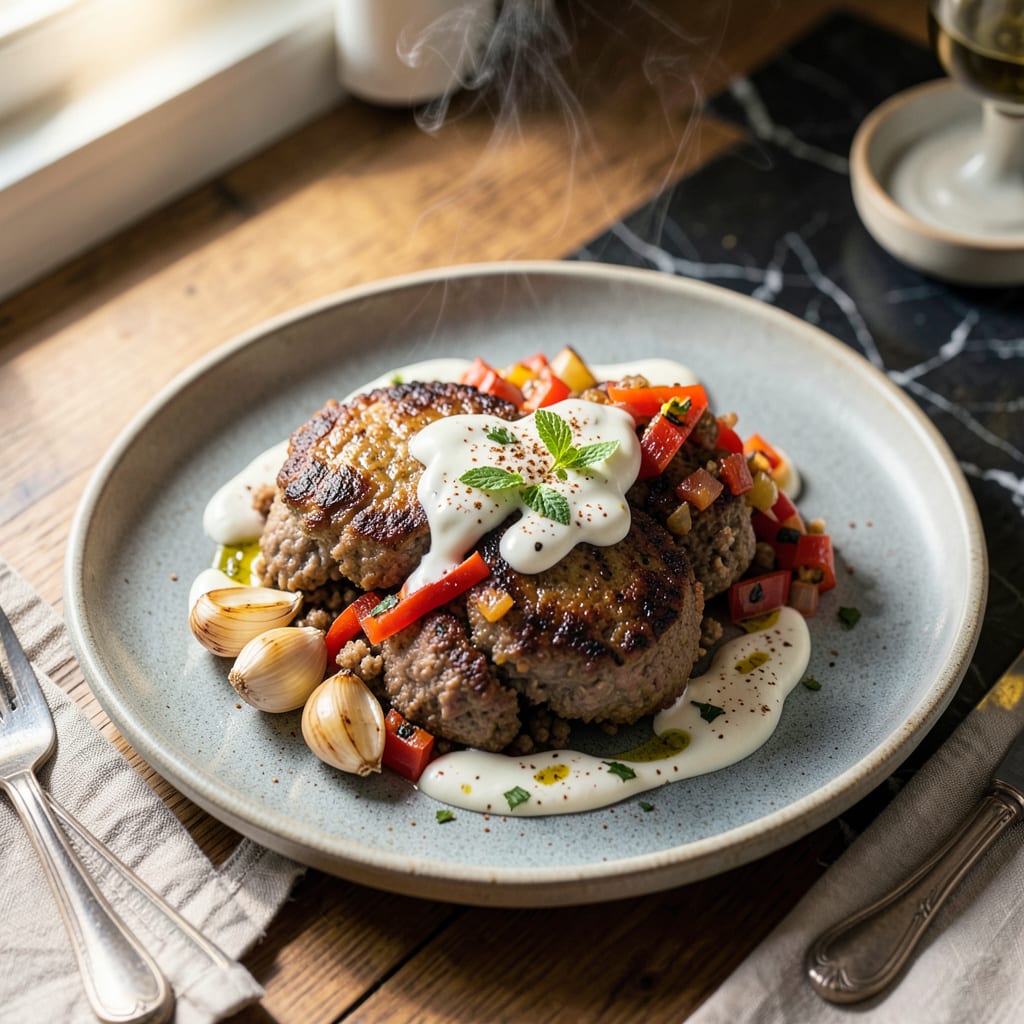
Ground lamb offers rich, gamey flavor and high-quality protein, making it excellent for hearty dishes. It’s nutrient-dense with iron, zinc, and B vitamins but higher in fat than lean meats like chicken or turkey.
As a pitmaster who’s worked with every protein under the sun, I’ve found lamb’s bold character shines in dishes where its depth can balance other strong flavors. 🔥 The fat content—while higher than poultry—actually works to your advantage when cooking, keeping the meat juicy and infusing every bite with that signature richness. Think of it as the culinary equivalent of a well-aged whiskey: complex enough to stand alone but even better when paired thoughtfully with herbs like rosemary or spices like cumin.
What really sets lamb apart in my kitchen is its versatility across cuisines. Whether I’m crafting Mediterranean meatballs with mint and feta or spicy Indian keema with ginger and garam masala, the protein’s robust profile holds up beautifully. Just be mindful of portion sizes if you’re watching saturated fat—its intensity means a little goes a long way in flavor impact. ✨
💡 In This Article
- Nutritional Benefits and Drawbacks of Ground Lamb
- Best Recipes and Cooking Tips for Ground Lamb
Nutritional Benefits and Drawbacks of Ground Lamb
Ground lamb packs a serious nutritional punch with its high-quality protein—about 25g per 4-ounce serving. Unlike plant proteins, lamb contains all nine essential amino acids, making it a complete protein source that supports muscle repair and immune function.
The iron content is particularly impressive, delivering 2.3mg per serving (about 13% of your daily needs), mostly in the highly absorbable heme form that your body uses more efficiently than plant-based iron. 🔥
What sets lamb apart from leaner meats is its fat composition. While it contains more saturated fat (6g per serving) than chicken or turkey, it also provides beneficial monounsaturated fats similar to olive oil. The fat ratio contributes to its rich mouthfeel and helps transport fat-soluble vitamins like A and E.
Compared to beef, lamb typically has slightly less marbling but more omega-3 fatty acids—about 70mg per serving—thanks to its grass-fed diet in most cases.
The micronutrient profile is where lamb truly excels. A single serving covers 40% of your daily zinc needs (critical for wound healing and taste perception) and 30% of your B12 (essential for nerve function). The selenium content—about 25mcg per serving—acts as a powerful antioxidant.
However, the sodium content can vary dramatically based on processing, with some pre-seasoned versions containing up to 300mg per serving.
For those watching cholesterol, lamb contains about 75mg per serving, which is comparable to beef but higher than poultry. The key difference lies in its conjugated linoleic acid (CLA) content—a fatty acid linked to potential anti-inflammatory benefits. Studies show grass-fed lamb can contain up to 30% more CLA than grain-fed varieties.
This makes source important: opt for labels specifying “grass-fed” or “pasture-raised” when possible. ✨
One often overlooked advantage is lamb’s vitamin K2 content, which works synergistically with calcium and vitamin D for bone health. With about 5mcg per serving, it provides more than many other meats. The trade-off comes in calorie density—lamb averages 250-300 calories per 4-ounce serving, about 30% more than skinless chicken breast.
This makes portion control important for calorie-conscious cooks.
From a culinary science perspective, lamb’s fat renders differently than beef during cooking. Its lower melting point (95-105°F) means it begins releasing juices earlier in the cooking process. This creates that signature tender texture but requires careful temperature control to avoid drying out.
I recommend using a meat thermometer and pulling lamb at 145°F for medium-rare or 160°F for well-done to preserve moisture. 💫
The protein structure in lamb also responds beautifully to marinades. The muscle fibers are slightly more porous than beef, allowing flavors to penetrate about 25% deeper in the same timeframe. This makes lamb ideal for bold flavor profiles—just 30 minutes in a yogurt-based marinade with garlic and lemon can transform its texture and taste dramatically.

Trained in classic French technique but raised on slow-cooked ribs and spicy rubs, she blends culinary skill with smoke and soul.
- Recipe for Boneless Pork Chops in Cast Iron Skillet: Sear and Baste to Juicy Perfection - October 3, 2026
- Recipe for Boneless Cross Rib Roast: Slow-Roasted Beef with Herb Crust - October 3, 2026
- Hamburgers in Sauce Recipe Crock Pot: Slow-Cooked Savory Delight - October 3, 2026