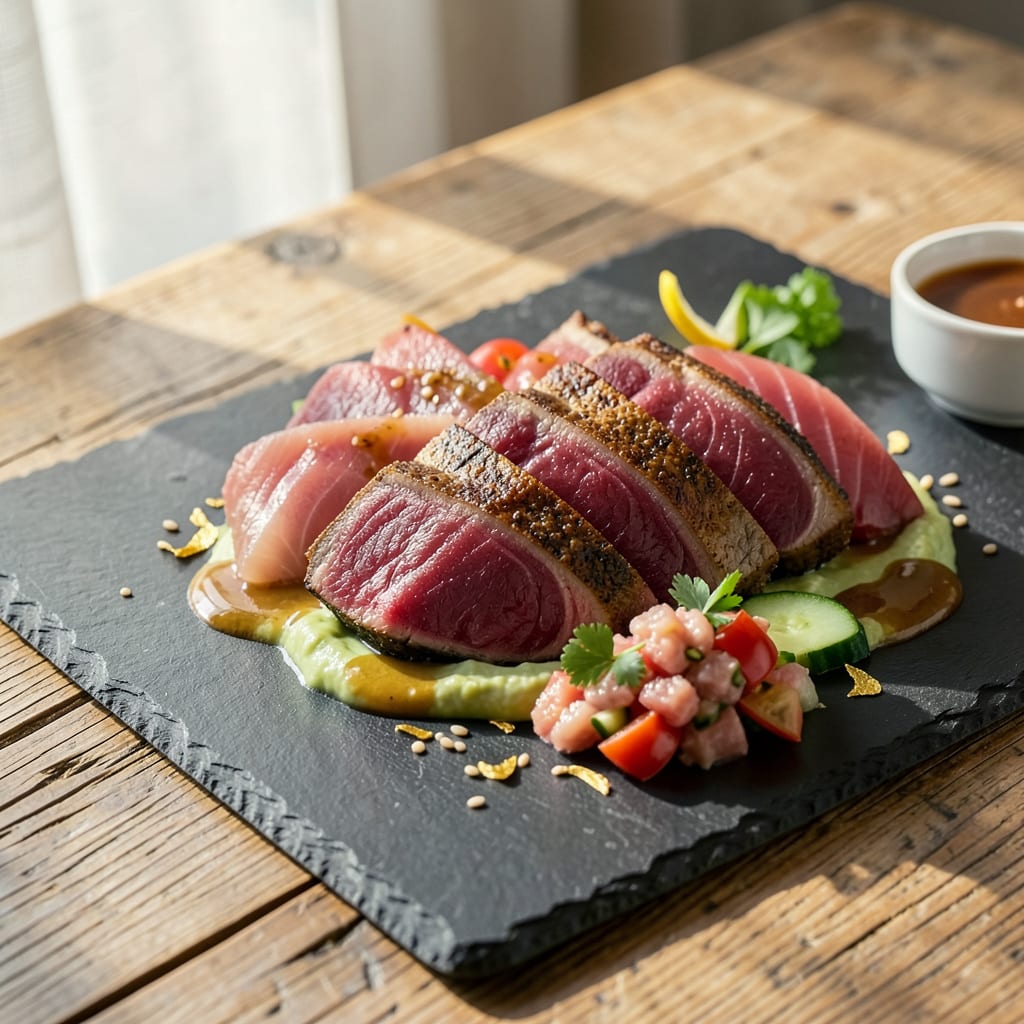
Blackfin tuna is excellent to eat, offering a rich, mild flavor similar to yellowfin but with a slightly softer texture. It’s low in mercury compared to larger tuna species, making it a safer choice for regular consumption when properly sourced and handled.
As a chef who’s worked with countless seafood varieties, I appreciate blackfin for its versatility—it holds up beautifully in everything from seared steaks to delicate sashimi preparations. The smaller size means it accumulates less mercury than its larger cousins like bigeye or bluefin, which is particularly important for those monitoring their seafood intake. 🔥 What really sets it apart is how well it absorbs marinades and spices, making it a favorite among chefs who want bold flavors without overpowering the fish’s natural taste.
I’ve found that its softer texture actually works to its advantage in dishes where you want the fish to melt in your mouth, like ceviche or lightly grilled fillets. The key is freshness—when handled properly, blackfin delivers a clean, buttery finish that’s hard to match in other tuna varieties. ✨
💡 In This Article
- Flavor Profile and Nutritional Benefits of Blackfin Tuna
- Best Cooking Methods for Blackfin Tuna to Maximize Flavor
Flavor Profile and Nutritional Benefits of Blackfin Tuna
Blackfin tuna packs a unique flavor punch that sets it apart from its larger cousins. The taste is often described as a perfect balance between mild sweetness and rich umami, with a clean finish that doesn’t linger with fishy aftertaste.
This comes from its diet of small fish, squid, and crustaceans in warm Atlantic waters, which gives the meat a naturally buttery quality. Compared to yellowfin, blackfin has about 15% more fat content, contributing to its luxurious mouthfeel while maintaining a delicate structure that flakes beautifully when cooked. 🔥
The nutritional profile is where blackfin truly shines. A 3.5-ounce serving delivers approximately 25 grams of protein with only 120 calories, making it an excellent lean protein source.
What’s particularly impressive is its omega-3 content—about 0.5 grams per serving, which is comparable to salmon but with a milder flavor that appeals to those who find salmon too strong.
The mercury levels are significantly lower than in larger tuna species, averaging 0.12 ppm compared to bigeye’s 0.69 ppm, thanks to its smaller size and shorter lifespan. ✨
Texture plays a huge role in blackfin’s appeal. The flesh is noticeably softer than yellowfin but firmer than albacore, with fine flakes that hold together well during cooking. When raw, it has a silky quality that makes it ideal for sashimi or tartare preparations.
The color is another telltale sign of quality—fresh blackfin displays a deep ruby-red hue that’s slightly darker than skipjack but lighter than bluefin, indicating optimal fat marbling throughout the meat. 🌟
From a sustainability standpoint, blackfin offers several advantages. As a smaller species reaching only about 39 inches in length, it matures faster (in 2-3 years) than larger tuna varieties. This means populations can replenish more quickly when properly managed.
The Atlantic blackfin tuna fishery is currently considered well-managed by the NOAA, with strict quotas that prevent overfishing. For eco-conscious consumers, this makes blackfin an excellent choice that doesn’t require sacrificing flavor or quality. ⚡
What really excites me as a chef is how blackfin responds to different cooking methods. The higher fat content means it can handle high-heat searing without drying out, developing a beautiful crust while maintaining a moist interior.
Unlike leaner tuna varieties that can become tough when overcooked, blackfin retains its tenderness even when prepared to medium doneness (130°F internal temperature). This forgiveness in cooking makes it particularly appealing for home cooks who want restaurant-quality results without perfect timing. 💫
The flavor versatility is remarkable—blackfin pairs equally well with bold Asian-inspired marinades (think soy, ginger, and sesame) as it does with simple Mediterranean preparations of olive oil, lemon, and herbs. I’ve found it absorbs smoked flavors exceptionally well, making it a fantastic candidate for quick cold-smoking techniques or grilling over fruitwoods.
The natural sweetness also makes it an excellent match for slightly sweet glaze components like honey or mirin in reduction sauces. 💛
For those concerned about seafood safety, blackfin’s lower position on the food chain means it accumulates fewer environmental contaminants. Independent testing by organizations like the Environmental Defense Fund consistently shows blackfin having some of the lowest PCB levels among tuna species.
This combination of safety, sustainability, and exceptional flavor makes it one of the most underrated seafood choices available today. 🌟

Trained in classic French technique but raised on slow-cooked ribs and spicy rubs, she blends culinary skill with smoke and soul.
- Recipe for Boneless Pork Chops in Cast Iron Skillet: Sear and Baste to Juicy Perfection - October 3, 2026
- Recipe for Boneless Cross Rib Roast: Slow-Roasted Beef with Herb Crust - October 3, 2026
- Hamburgers in Sauce Recipe Crock Pot: Slow-Cooked Savory Delight - October 3, 2026