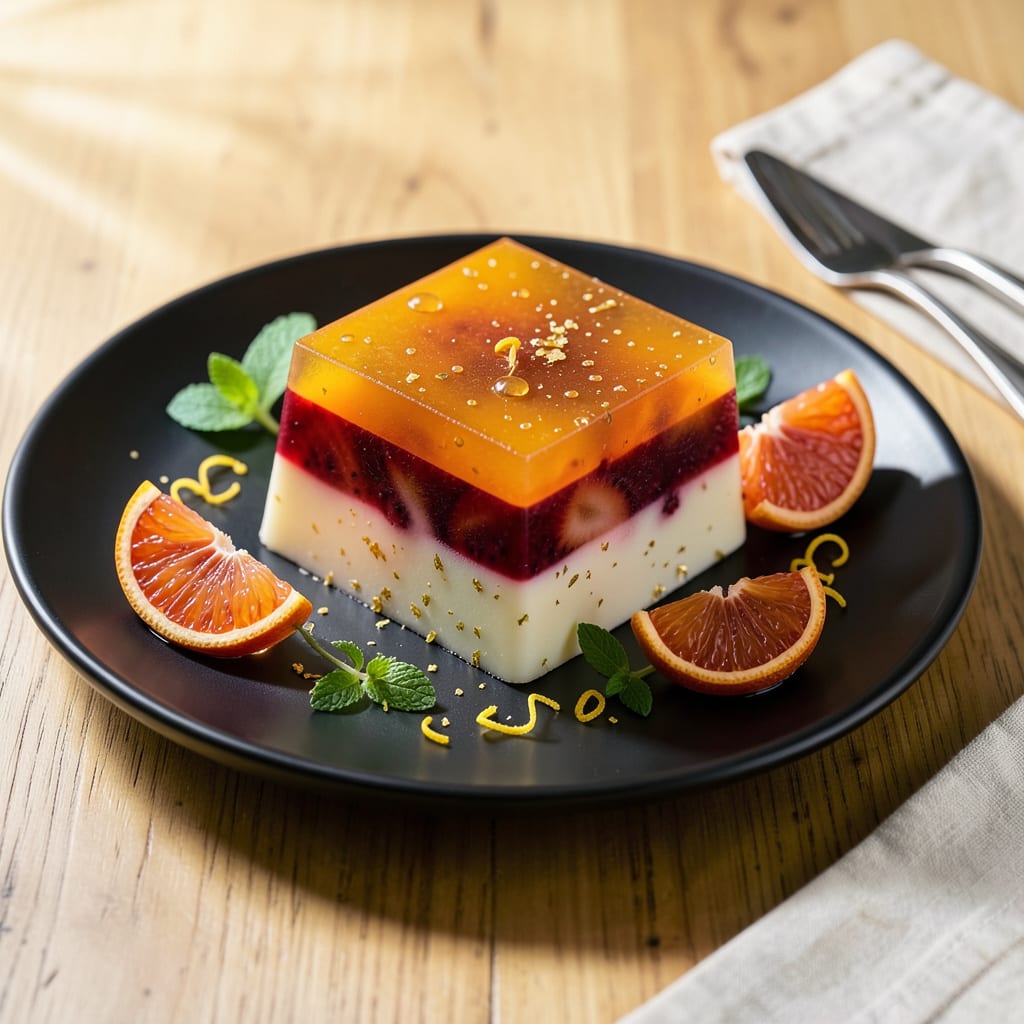
No, pectin and gelatin are completely different. Pectin is a plant-based fiber from fruits that thickens jams, while gelatin is an animal-derived protein that creates jiggly textures in desserts like Jell-O.
I’ve worked with both in my kitchen, and their origins tell the whole story. Pectin comes from citrus peels and apple cores, forming a gel when combined with sugar and acid—perfect for that classic jam consistency. Gelatin, on the other hand, is made by boiling animal bones and connective tissue, which gives it that signature wobbly texture when cooled. 🔥
The temperature requirements alone set them worlds apart. Pectin activates at a rolling boil, while gelatin needs just warm liquid to dissolve before setting in the fridge. This fundamental difference explains why you’d never use pectin for homemade gummy bears or gelatin for strawberry preserves.
💡 In This Article
- How Pectin and Gelatin Work Differently in Food
- Best Culinary Uses for Pectin vs Gelatin
How Pectin and Gelatin Work Differently in Food
At the molecular level, pectin and gelatin create completely different structures. Pectin forms a 3D fiber network when combined with sugar and acid, trapping liquid to create that classic jam consistency. The magic happens at 220°F—this rolling boil activates the pectin’s gelling properties.
I’ve found citrus peels contain the highest concentration (about 30% pectin by dry weight), which is why they’re the gold standard for homemade pectin extraction. 🔥
Gelatin operates through protein coagulation rather than fiber networks. When you dissolve gelatin in warm water (around 105°F), the collagen proteins unravel. As the mixture cools below 95°F, these proteins reform into a mesh that holds water—creating that signature jiggly texture.
The difference in activation temperatures explains why you’d never find gelatin in jam recipes (it would melt during boiling) or pectin in marshmallows (it wouldn’t set properly).
What’s fascinating is how each interacts with other ingredients. Pectin requires 55-85% sugar and acidic conditions (pH 2.8-3.5) to form proper gels. That’s why lemon juice is essential in jam-making—it lowers the pH to the ideal range.
Gelatin, meanwhile, works best in neutral pH environments and can set with as little as 1% concentration in liquid. This fundamental difference is why fruit preserves made with gelatin would taste unpleasantly sweet and lack that bright, tangy quality we love. ✨
The texture differences are equally dramatic. Pectin creates short, spreadable gels that hold their shape when cold but become fluid when warmed. Gelatin forms elastic, thermoreversible gels that melt in your mouth.
This explains why pectin works for fruit preserves that need to spread easily on toast, while gelatin is perfect for desserts like panna cotta that should hold their shape until eaten. The melting point difference is particularly striking—pectin gels break down around 180°F, while gelatin melts at just 95°F.
Here’s a practical comparison you can test in your kitchen:
- Pectin gel: Holds shape when chilled, becomes syrupy when heated (like warmed jam)
- Gelatin gel: Maintains jiggly structure until it reaches mouth temperature, then melts completely
- Acid test: Pectin gels strengthen with acid; gelatin gels weaken in acidic environments
This molecular behavior also affects shelf life. Pectin’s high sugar content creates a preservative effect, which is why properly canned jams can last 12-18 months unopened. Gelatin-based products typically last just 1-2 weeks refrigerated due to their higher moisture content and neutral pH.
The science behind these differences explains why you’ll never see gelatin used in commercial preserves or pectin in gummy candies. 💫

Trained in classic French technique but raised on slow-cooked ribs and spicy rubs, she blends culinary skill with smoke and soul.
- Recipe for Boneless Pork Chops in Cast Iron Skillet: Sear and Baste to Juicy Perfection - October 3, 2026
- Recipe for Boneless Cross Rib Roast: Slow-Roasted Beef with Herb Crust - October 3, 2026
- Hamburgers in Sauce Recipe Crock Pot: Slow-Cooked Savory Delight - October 3, 2026