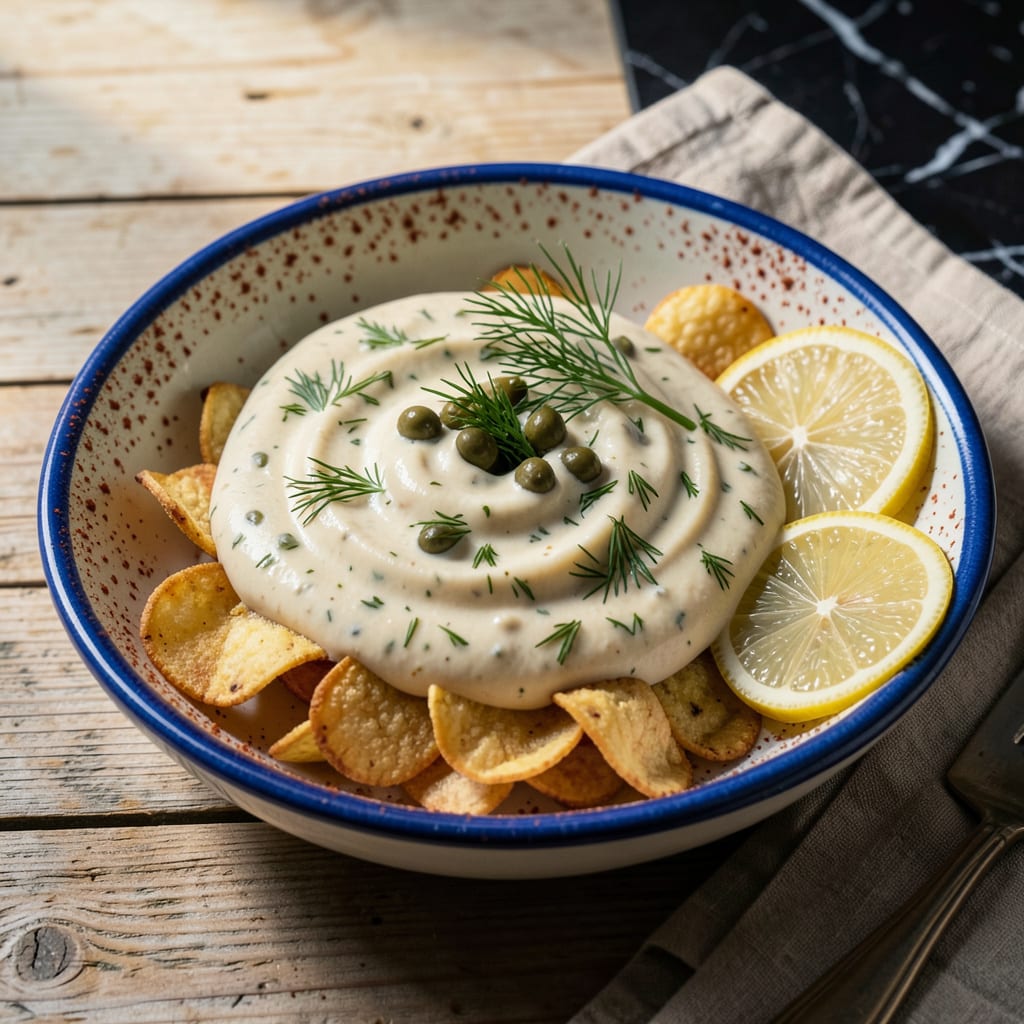
Traditional tartar sauce is dairy-free, made primarily with mayonnaise, pickles, capers, and herbs. However, some store-bought versions may contain dairy derivatives like whey or casein, so always check labels.
This classic condiment relies on egg-based mayonnaise as its creamy foundation, which naturally avoids dairy. 🌟 What catches many people off guard are the hidden additives in mass-produced versions—thickeners, stabilizers, or flavor enhancers that sometimes include milk proteins. I always recommend scanning the entire ingredient list, not just the allergen statement, since some brands bury dairy components under vague terms like “natural flavors” or “spices.” For those with severe allergies, homemade versions give you full control over every component.
💡 In This Article
- Core Ingredients in Classic Tartar Sauce
- How to Verify Dairy-Free Tartar Sauce Brands
Core Ingredients in Classic Tartar Sauce
At its heart, tartar sauce is an emulsion of egg-based mayonnaise with finely chopped pickles, capers, lemon juice, and fresh herbs like dill or parsley. The creamy base comes from mayo—traditionally just oil, egg yolks, and vinegar or lemon juice—with no dairy involved.
The tangy kick comes from 2-3 tablespoons of brine from pickles or capers, while fresh herbs add brightness without any milk products. This simple formula has been the standard for decades in professional kitchens.
What surprises many is how commercial brands modify this classic recipe. To extend shelf life or enhance texture, manufacturers often add stabilizers like whey protein concentrate or sodium caseinate—both dairy derivatives. Some budget versions even include lactose as a filler or modified milk ingredients as emulsifiers.
I’ve seen brands where dairy appears under “natural flavors” or “spice blends,” which isn’t required to be specified on allergen labels. 🔥
The mayo itself can be a hidden dairy source. While traditional mayo is egg-based, some commercial mayonnaises contain milk solids or are processed on shared equipment with dairy products. Even “light” or “reduced-fat” versions sometimes compensate for removed oil with dairy-based thickeners.
This is why I always recommend checking both the ingredient list and the “may contain” statement for potential cross-contamination warnings.
For those making tartar sauce at home, the control is complete. A basic recipe combines 1 cup mayo, ¼ cup finely chopped dill pickles, 1 tablespoon capers, 1 tablespoon lemon juice, and 1 teaspoon fresh dill. The beauty is in its simplicity—no need for additives when you’re working with fresh, whole ingredients.
Store-bought versions trying to mimic this texture sometimes add dairy-based emulsifiers, which is why homemade is often the safest bet.
The acidity in tartar sauce (from lemon juice or vinegar) actually helps preserve it naturally, which is why traditional versions don’t need dairy-based preservatives. Commercial brands often overcomplicate this by adding dairy-derived stabilizers to maintain consistency during shipping and storage.
What most people don’t realize is that these additives aren’t necessary for flavor—they’re purely for mass production convenience. ✨
When evaluating store-bought options, I look for brands that explicitly state “egg-based mayonnaise” on the label. This simple phrase tells me they’re sticking to the classic formula. Some premium brands even highlight “no dairy” or “vegan” (though vegan versions would use plant-based mayo).
The key is understanding that while the original recipe is naturally dairy-free, modern food processing has introduced variables that require careful label reading.
For those with severe dairy allergies, I recommend calling manufacturers directly if there’s any doubt. Some facilities process dairy products on the same lines as their tartar sauce, which can lead to trace contamination. While the core ingredients should be safe, production practices vary widely between brands.
When in doubt, making your own takes just 5 minutes and guarantees complete control over what goes into your sauce. 💫

Trained in classic French technique but raised on slow-cooked ribs and spicy rubs, she blends culinary skill with smoke and soul.
- Recipe for Boneless Pork Chops in Cast Iron Skillet: Sear and Baste to Juicy Perfection - October 3, 2026
- Recipe for Boneless Cross Rib Roast: Slow-Roasted Beef with Herb Crust - October 3, 2026
- Hamburgers in Sauce Recipe Crock Pot: Slow-Cooked Savory Delight - October 3, 2026