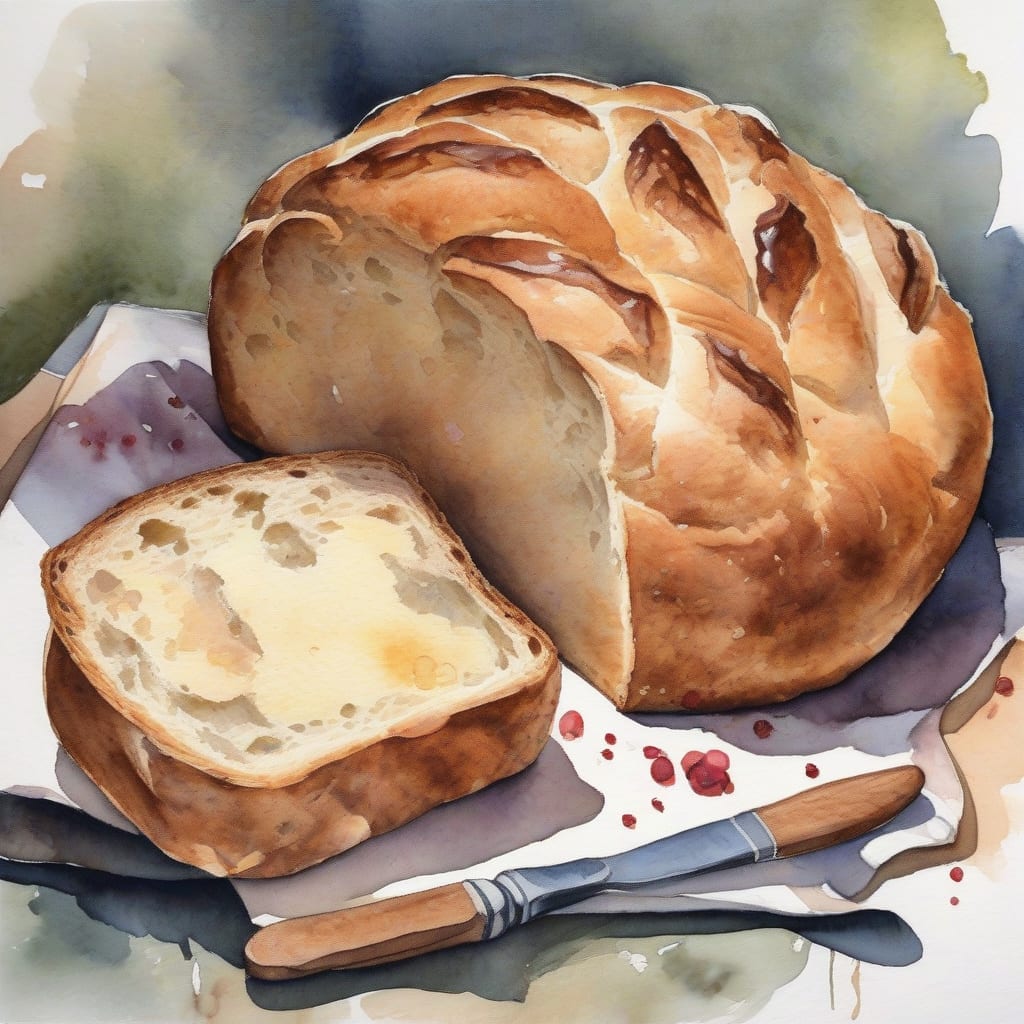
Jacques Pepin’s Artisan Bread: Simple, Crusty Perfection
I’ve always been fascinated by artisan bread-making, and Jacques Pepin‘s recipe is a game-changer. This simple, crusty bread requires minimal ingredients and effort, yet delivers perfect results every time. The process is straightforward, and the outcome is incredibly satisfying.
The magic happens when you combine just a few ingredients – flour, water, yeast, and salt – and let time do the work. A long, slow rise develops complex flavors, while a hot oven creates that beautiful, crackly crust. It’s a foolproof method that’s hard to mess up.
By following Jacques Pepin’s technique, you’ll achieve a beautifully rustic loaf with a tender interior and crispy exterior. The aroma alone will make your kitchen feel like a French bakery. Let’s get started on this simple yet impressive bread recipe!
Ingredients for jacques pepin bread
Here’s what you need to create Jacques Pepin’s simple artisan bread recipe at home.
| Ingredient | Amount | Notes |
|---|---|---|
| All-Purpose Flour 🌾 | 1 ½ lb | Unbleached, unbromated preferred |
| Water 💧 | 1 ¼ cups | Lukewarm for better yeast activation |
| Active Dry Yeast 🍞 | 1 tsp | Instant yeast works too |
| Kosher Salt 🧂 | 1 tbsp | Diamond Crystal or similar coarse salt |
| Whole Wheat Flour 🌾 | ½ cup | Optional for added depth |
[recipe_ingredient_scaler]
For the best results, use high-quality ingredients from reputable sources like King Arthur Flour and Diamond Crystal kosher salt. You can find active dry yeast at most grocery stores or specialty baking stores. Lukewarm water is essential for proper yeast activation, so aim for a temperature between 90°F and 100°F.
If you don't have whole wheat flour, you can substitute with additional all-purpose flour. For a more intense flavor, try using a preferment like biga or poolish. You can also experiment with different types of salt, such as sea salt or Himalayan pink salt, for varying flavor profiles.
Store leftover bread in a paper bag at room temperature for up to 3 days to maintain its crusty texture. For longer storage, wrap the bread tightly in plastic wrap and freeze for up to 2 months. To refresh stale bread, simply bake it in a 350°F oven for 5-10 minutes to restore its crispy crust.
Step-by-Step Instructions for Jacques Pepin’s Artisan Bread
Follow these detailed steps to create a perfectly crusty artisan bread with Jacques Pepin’s simple technique.
👨🍳 Step 1: Mix the Dough
In a large mixing bowl, combine 1.5 lb All-Purpose Flour, 1 tsp Active Dry Yeast, and 1 tbsp Kosher Salt. I like to use a digital scale to ensure accuracy with the flour weight. Make a well in the center of the dry ingredients and pour in 1.25 cups lukewarm water. Using a wooden spoon or dough whisk, mix until the dough comes together in a shaggy mass. The mixture should be quite wet and sticky at this stage.
At this point, I add the 0.5 cup Whole Wheat Flour and continue mixing until just incorporated. The dough will start to develop some structure but will still be quite rough. Don’t overmix – we’re aiming for a rough, just-combined state.
⏰ Step 2: Bulk Fermentation
Cover the bowl with plastic wrap or a damp towel and let the dough rest at room temperature for 1-2 hours until it has visibly expanded and developed some bubbles on the surface. This bulk fermentation phase is crucial for developing the flavor and texture of the bread. You’ll notice the dough starting to relax and spread out in the bowl.
After the first hour, give the dough a gentle fold: use a wet hand to lift the dough from the center and fold it over itself. Rotate the bowl 90 degrees and repeat this process three more times. This helps redistribute the yeast and develops the dough’s structure.
🥘 Step 3: Shape the Dough
After the bulk fermentation, the dough should have expanded significantly and feel more aerated. Turn the dough out onto a lightly floured surface and gently shape it into a round or oblong loaf. Be gentle – we don’t want to degas the dough too much. Use a bench scraper if needed to prevent the dough from sticking.
Place the shaped dough onto a lightly floured surface or a proofing basket lined with parchment paper. Cover it with plastic wrap or a clean towel to prevent drying. Let it proof for 1-2 hours at room temperature until it has puffed up slightly and feels lighter when lifted.
🔥 Step 4: Bake to Perfection
Preheat your oven to 450°F (230°C) with a Dutch oven or heavy-duty pot with lid inside. When the oven is hot, carefully place the dough inside the preheated pot. Cover with the lid and bake for 30 minutes. Then, remove the lid and continue baking for an additional 15-20 minutes until the bread is golden brown and sounds hollow when tapped on the bottom.
Remove the bread from the pot and let it cool on a wire rack for at least 1 hour before slicing. This cooling period is crucial for the bread to develop its full flavor and texture. The crust should be crispy and caramelized, while the interior remains soft and airy.
Jacques Pepin’s bread recipe is a masterclass in simplicity and flavor. The renowned chef’s approach to artisan bread is all about embracing the basics and letting the ingredients shine. To start, you’ll need a few essential ingredients: 1 1/2 cups warm water, 2 teaspoons active dry yeast, 3 1/2 cups all-purpose flour, 1 teaspoon salt, and 1 tablespoon sugar. 🍞
Mixing the Dough 🔄
To mix the dough, combine the warm water and yeast in a large bowl. Let it sit for 5-10 minutes, or until the yeast becomes frothy and bubbly. Then, add the flour, salt, and sugar, and mix until a shaggy dough forms. Don’t overmix! 🤯
Kneading the Dough 🥖
Turn the dough out onto a floured surface and knead for 10-15 minutes, or until the dough becomes smooth and elastic. You can also use a stand mixer with a dough hook attachment to knead the dough. ⏰
- Form the dough into a round or oblong shape
- Place the dough on a baking sheet or proofing basket lined with parchment paper
- Cover the dough with plastic wrap or a damp towel and let it rise in a warm, draft-free place for 1-2 hours, or until it has doubled in size
Preheat your oven to 425°F (220°C). Bake the bread for 25-35 minutes, or until it’s golden brown and sounds hollow when tapped on the bottom. 🔥
💡 Pro tip: To get a crispy crust, bake the bread for an additional 5-10 minutes. Just keep an eye on it to prevent over-browning!
Tips & Tricks for Perfect Jacques Pepin’s Artisan Bread
These expert tips will help you achieve bakery-quality artisan bread with Jacques Pepin’s simple technique.
Temperature Control: Use lukewarm water (around 90°F to 100°F) for mixing the dough. This helps activate the yeast properly without shocking it. I also preheat my Dutch oven to ensure even baking and a crispy crust. 🔥
Handling the Dough: Be gentle when shaping the dough in Step 3 to preserve the air bubbles developed during bulk fermentation. This creates a lighter, airier crumb structure. Use a bench scraper to prevent sticking without adding too much flour.
Proofing Environment: Create a warm, draft-free environment for proofing. If your kitchen is cold, consider using the oven with the light on (not turned on) or near a warm appliance. This helps the dough rise properly during the 1-2 hour proofing time.
Cooling: Resist the temptation to slice the bread immediately after baking. Letting it cool for at least 1 hour on a wire rack allows the flavors to develop fully and the crumb to set properly, resulting in a better texture.
Nutrition Facts
140kcal
This artisan bread recipe provides a simple yet satisfying foundation for various meals. With its crusty exterior and soft interior, it pairs well with soups, salads, or as a sandwich base. The whole wheat addition enhances its nutritional profile while maintaining a rustic texture.
The bread contains moderate carbohydrates from the all-purpose and whole wheat flours, providing sustained energy. It also offers a decent amount of protein and is relatively low in fat. The presence of yeast aids in digestion, making it a wholesome choice for daily consumption.
While this bread is relatively low in fat and cholesterol-free, it should be consumed in moderation due to its carbohydrate content. It’s suitable for those looking for a basic, homemade bread without additives or preservatives. Pairing it with nutrient-dense toppings or spreads can enhance its overall nutritional value.
[recipe_ingredient_scaler]

Trained in classic French technique but raised on slow-cooked ribs and spicy rubs, she blends culinary skill with smoke and soul.
- Recipe for Boneless Pork Chops in Cast Iron Skillet: Sear and Baste to Juicy Perfection - October 3, 2026
- Recipe for Boneless Cross Rib Roast: Slow-Roasted Beef with Herb Crust - October 3, 2026
- Hamburgers in Sauce Recipe Crock Pot: Slow-Cooked Savory Delight - October 3, 2026