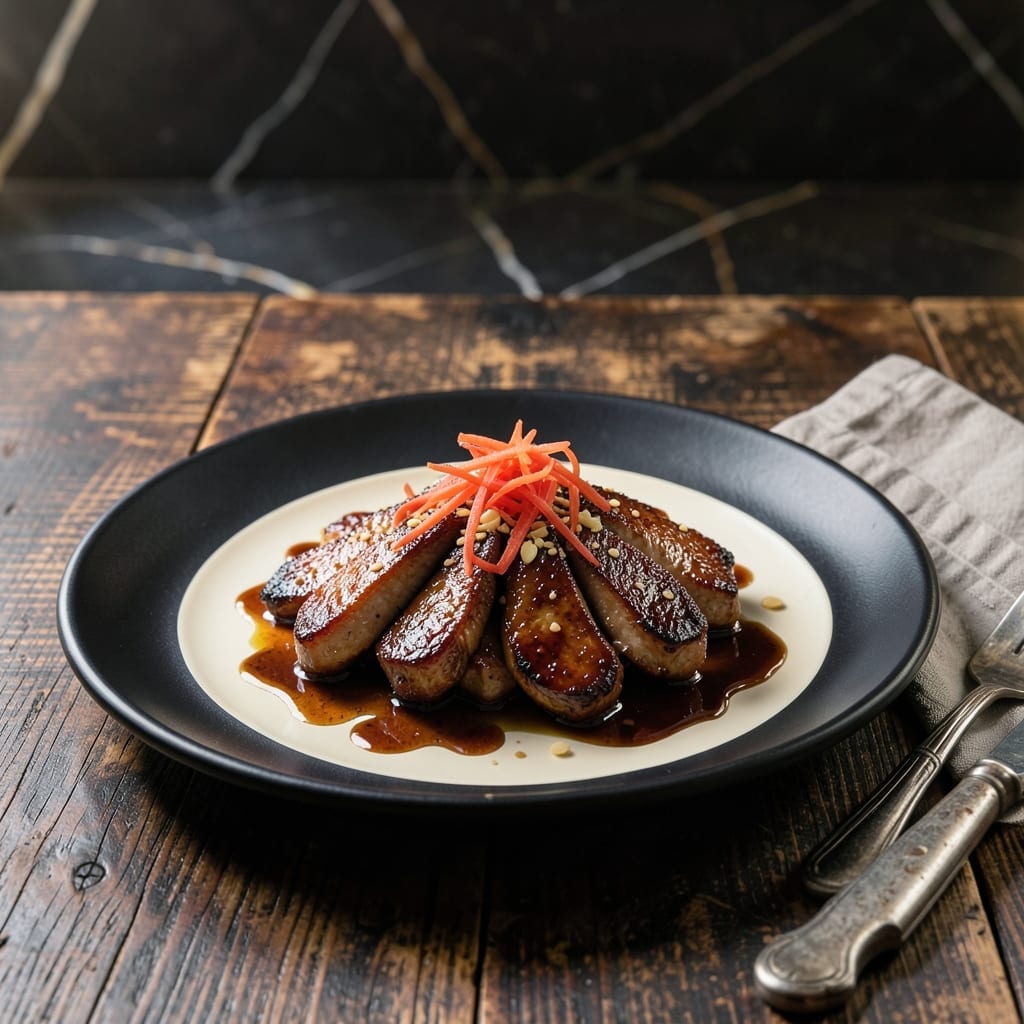
This Japanese-style chicken liver dish transforms an oft-overlooked protein into a tender, umami-packed delicacy that rivals any restaurant version.
I developed this method after realizing most home cooks overcook liver, missing its natural richness. The key is a quick marinade in soy sauce, sake, and ginger, followed by high-heat searing to lock in juices.
The result is liver that’s silky inside with a lightly caramelized exterior, balanced by a glossy, savory-sweet sauce. It’s a 15-minute dish that feels indulgent.
Serve over rice with steamed greens for a complete, iron-rich meal. Here’s how to make it perfectly every time.
Ingredients for Japanese Chicken Liver
Transform humble chicken livers with pantry staples into a restaurant-worthy Japanese delicacy.
| Ingredient | Amount | Notes |
|---|---|---|
| Chicken Livers 🍗 | 1 ½ lb | Trimmed, rinsed, patted dry |
| Soy Sauce 🫒 | ½ cup | Low-sodium preferred for balance |
| Sake 🍶 | ¼ cup | Dry variety, or substitute dry sherry |
| Fresh Ginger 🌿 | 1 tbsp | Grated, peeled before grating |
| Garlic Cloves 🧄 | 3 cloves | Minced finely for even distribution |
| Granulated Sugar 🧂 | 1 tbsp | Balances umami and acidity |
| Neutral Cooking Oil 🫒 | 2 tbsp | High smoke point, like vegetable or canola |
| Green Onions 🧅 | 4 whole | Thinly sliced for garnish |
| Sesame Seeds 🌰 | 1 tsp | Toasted for nutty aroma |
| Cornstarch 🌾 | 1 tbsp | For sauce thickening |
| Water 💧 | ¼ cup | For deglazing pan |
| Mirin 🍯 | 2 tbsp | Optional for extra sweetness |
[recipe_ingredient_scaler]
The liver quality is non-negotiable. Source from a trusted butcher or specialty market like Whole Foods—look for vibrant color and firm texture. Avoid any with a sour or off smell, which indicates age. Sake can be found at Asian grocery stores or the international aisle of most supermarkets. For the best results, use dry sake, which has a cleaner flavor profile than cooking sake.
No sake on hand? Dry sherry or white wine works in a pinch. Mirin can be replaced with 1 tbsp sugar mixed with 1 tbsp water. If you’re avoiding alcohol, substitute with additional soy sauce and a splash of rice vinegar. The cornstarch slurry is essential for that glossy sauce—don’t skip it. For a gluten-free version, use tamari instead of soy sauce.
Livers are best cooked immediately after purchasing—store in the fridge for no more than 1 day. The finished dish keeps for 2-3 days refrigerated but is best served fresh. Freezing isn’t recommended as it can make the liver texture grainy. Reheat gently to avoid overcooking.
Why You’ll Love This Recipe
- One Pan Wonder: I can sear the livers and simmer them in the same pan with soy and sake—minimal cleanup, maximum flavor.
- Umami Bomb: The soy and sake combo with garlic and ginger makes every bite ridiculously rich and satisfying.
- Weeknight MVP: Honestly, it’s ready faster than takeout but tastes like a restaurant dish.
- Budget Stretcher: Chicken livers are cheap, and this recipe turns them into something crave-worthy without breaking the bank.
Step-by-Step Instructions for Japanese Chicken Liver
Execute these precise steps to achieve perfectly tender liver with a glossy, umami-rich sauce.
Step 1: Prepare and Marinate the Chicken Livers
Begin by trimming the 1.5 lb Chicken Livers of any connective tissue, rinse them under cold water, and pat them completely dry with paper towels. This removes any residual blood and ensures even cooking.
In a bowl, combine the 0.5 cup Soy Sauce, 0.25 cup Sake, 1 tbsp Fresh Ginger, 3 cloves Garlic Cloves, 1 tbsp Granulated Sugar, and 2 tbsp Mirin. Add the prepared livers to this marinade and let them sit for 15-20 minutes. This step infuses the livers with depth of flavor and tenderizes the meat.
Step 2: Sear the Livers to Perfection
Heat 2 tbsp Neutral Cooking Oil in a large skillet over medium-high heat until the oil shimmers but does not smoke. Remove the livers from the marinade (reserve the marinade for later use) and carefully place them in the hot skillet in a single layer.
Sear undisturbed for 2-3 minutes until the edges turn brown and the surface develops a light crust. Flip and cook for another 2 minutes for medium doneness. The livers should be slightly pink inside—overcooking will make them tough. Transfer the seared livers to a plate and set aside.
Step 3: Create the Glossy Pan Sauce
Pour the reserved marinade into the same skillet and bring it to a simmer over medium heat. Stir in the 1 tbsp Cornstarch mixed with 0.25 cup Water to create a slurry. This will thicken the sauce to a velvety consistency.
Cook for 3-4 minutes, stirring constantly, until the sauce reduces slightly and coats the back of a spoon. Taste and adjust seasoning if needed, though the soy sauce and marinade should provide ample flavor. The sauce should be glossy and rich, with a balance of sweet, salty, and umami notes.
Step 4: Finish and Garnish
Return the seared livers to the skillet with the sauce. Gently coat them in the sauce and cook for an additional 1-2 minutes to meld the flavors together. The livers should be fully cooked through but still tender and juicy.
Transfer to a serving platter and garnish with the 4 whole Green Onions, thinly sliced, and 1 tsp Sesame Seeds. The green onions add a fresh, crisp contrast, while the sesame seeds provide a subtle nutty aroma. Serve immediately with steamed rice to soak up the sauce.
Pro Tips For Making Japanese Chicken Liver
- Soak the Livers: Cover chicken livers in milk for 30 minutes before cooking—I learned this the hard way after a bitter batch. It mellows the flavor and removes any metallic taste.
- High Heat, Quick Sear: Crank the pan to medium-high and sear the livers for just 2-3 minutes per side. After overcooking them into rubbery hockey pucks, I finally figured out they’re done when still slightly pink inside.
- Use Fresh Ginger: Skip the powdered stuff and grate 1 tablespoon of fresh ginger—it’s non-negotiable for that bright, zesty kick that balances the richness of the livers.
- Deglaze with Sake: Once the livers are out, pour in 2 tablespoons of sake to scrape up all those browned bits. Sounds weird, but it works: that’s where half the flavor hides.
Creative Variations of These Flavors
Miso-Glazed Version
Mix 2 tbsp white miso paste with 1 tbsp honey and 1 tsp sesame oil into the marinade. The miso adds depth with its fermented richness. Brush extra glaze during searing for caramelized edges. 🔥
Spicy Kimchi Twist
Add ½ cup chopped kimchi and 1 tsp gochujang to the pan sauce. The fermented spice cuts through the liver’s richness beautifully. Garnish with extra kimchi juice for tang.
Teriyaki Style
Replace mirin with 3 tbsp teriyaki sauce in the marinade. The extra sweetness pairs perfectly with the umami. Thicken the pan sauce with the same cornstarch slurry for glossy results.
Citrus Bright
Stir 1 tbsp yuzu juice and ½ tsp zest into the finished sauce. The citrus lifts the dish’s richness. Orange zest works if yuzu isn’t available.
Mushroom Umami Boost
Sauté ½ cup shiitake mushrooms in the skillet before searing the livers. Their earthy depth complements the liver’s natural umami. Finish with toasted sesame seeds for crunch.
Nutrition Facts
Frequently Asked Questions
How do I know when the livers are done?
They’re ready after 2-3 minutes per side on medium-high heat. Look for a light crust with a slightly pink center. Overcooking makes them tough.
Can I use frozen chicken livers?
Thaw them completely in the fridge overnight first. Pat dry thoroughly before marinating to ensure even cooking and proper browning.
What can I substitute for sake?
Use dry sherry or white wine in equal amounts. For non-alcoholic, try 1 tbsp rice vinegar plus 3 tbsp water.
How long can I store leftovers?
Keep in an airtight container in the fridge for up to 2-3 days. Reheat gently to preserve tenderness—microwaving can make them rubbery.

Trained in classic French technique but raised on slow-cooked ribs and spicy rubs, she blends culinary skill with smoke and soul.
- Recipe for Boneless Pork Chops in Cast Iron Skillet: Sear and Baste to Juicy Perfection - October 3, 2026
- Recipe for Boneless Cross Rib Roast: Slow-Roasted Beef with Herb Crust - October 3, 2026
- Hamburgers in Sauce Recipe Crock Pot: Slow-Cooked Savory Delight - October 3, 2026