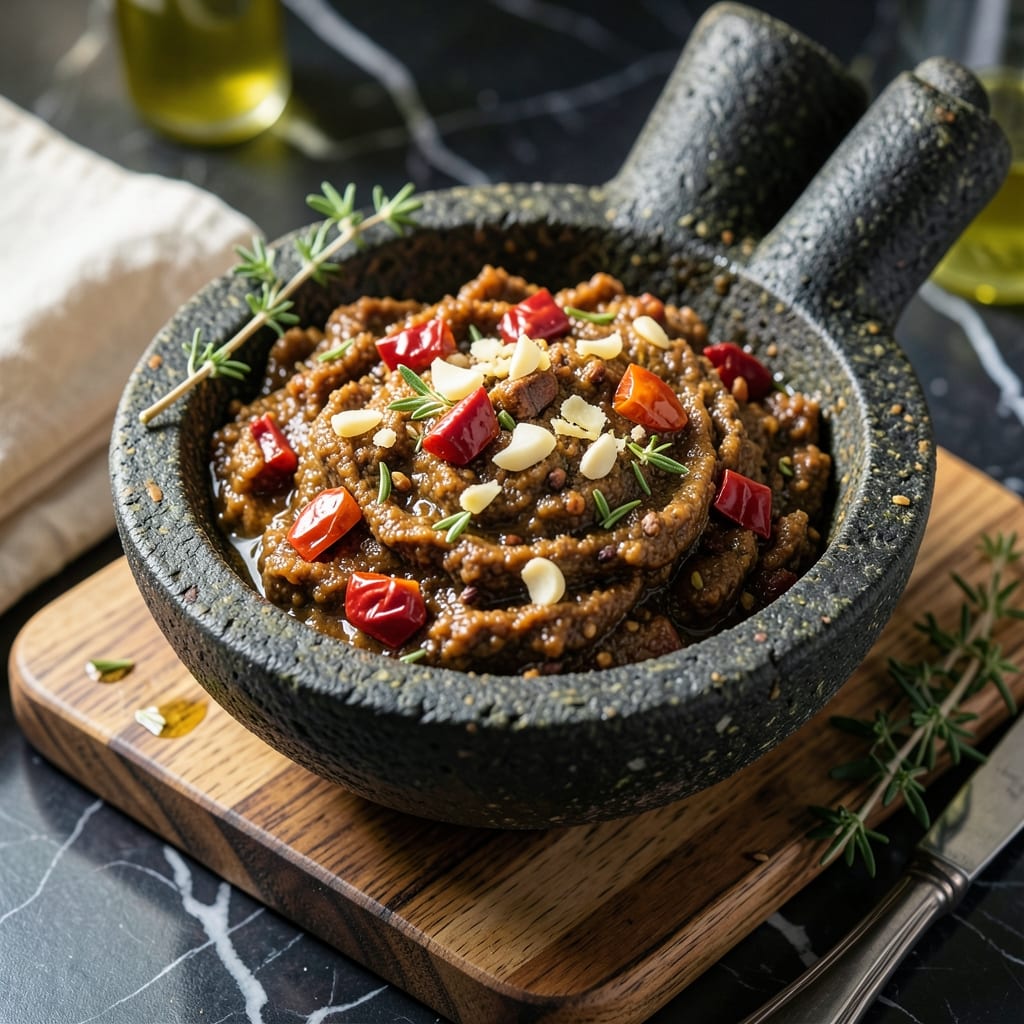
This authentic Caribbean paste captures the bold, complex flavors that define traditional jerk cooking. No dry rubs here—this wet marinade delivers the real deal.
I’ve refined this recipe to balance heat, sweetness, and aromatic spices, just like the jerk pits of Jamaica. The paste clings to meats, infusing every bite with layers of flavor.
With scotch bonnet peppers, allspice, and fresh thyme, it brings genuine island heat and depth. Perfect for grilling chicken, pork, or fish to restaurant-quality perfection.
Make a batch and store it in the fridge for up to a week. The flavors only get better with time.
Ingredients for Jerk Seasoning Recipe Wet
Authentic Caribbean flavors start with fresh, bold ingredients for this wet paste.
| Ingredient | Amount | Notes |
|---|---|---|
| Scotch Bonnet Peppers 🌶️ | 4 whole | Seeds removed for less heat |
| Fresh Thyme Leaves 🌿 | ¼ cup | Stems removed, packed |
| Ground Allspice 🌿 | 2 tbsp | Essential for authentic flavor |
| Ground Cinnamon 🌿 | 1 tsp | Adds warmth and depth |
| Ground Nutmeg 🌰 | ½ tsp | Freshly ground preferred |
| Garlic Cloves 🧄 | 6 cloves | Peeled and minced |
| Fresh Ginger 🌿 | 2 tbsp | Peeled and grated |
| Brown Sugar 🍚 | ¼ cup | Light or dark variety |
| Soy Sauce 🫒 | 2 tbsp | Low-sodium preferred |
| Lime Juice 🍋 | 3 tbsp | Freshly squeezed |
| Olive Oil 🫒 | ¼ cup | Extra-virgin for richness |
| Green Onions 🧅 | ½ cup | Chopped, green parts only |
[recipe_ingredient_scaler]
The scotch bonnet peppers are non-negotiable for authentic heat. Look for vibrant red or orange peppers at Caribbean markets or specialty grocers like Whole Foods. If unavailable, habaneros work in a pinch (same heat level, slightly different flavor). Fresh thyme is key—avoid dried as it won’t deliver the same aromatic punch. Allspice should be ground fresh if possible, but pre-ground from Penzeys is a solid backup.
No scotch bonnets? Habaneros are the closest substitute. Out of fresh thyme? Double the ground thyme but expect a slightly different profile. Brown sugar can be swapped for coconut sugar if needed. For a gluten-free version, tamari replaces soy sauce seamlessly. The ginger and garlic are flexible—adjust to taste but don’t skip them entirely.
This paste keeps beautifully in the fridge for up to 1 week. For longer storage, freeze in ice cube trays for 3 months. The flavors deepen over time, so making it a day ahead is ideal. Always use a clean spoon to avoid contamination.
Why You’ll Love This Recipe
- Blender Magic: I just toss everything—Scotch Bonnets, thyme, allspice—in the blender and pulse. No fancy techniques, just bold flavor in minutes.
- Flavor Explosion: The mix of cinnamon, nutmeg, and Scotch Bonnet heat is crazy good. It’s sweet, spicy, and earthy all at once.
- Freezer Friendly: I make a big batch and freeze it in ice cube trays. Honestly, it’s my shortcut to jerk chicken whenever the craving hits.
- Budget Spice Hack: Ground allspice and fresh thyme stretch further than store-bought pastes. Here’s what sold me—it’s cheaper and tastes way fresher.
Step-by-Step Instructions for Jerk Seasoning Paste
This authentic method delivers bold Caribbean flavor with proper balance and technique.
Step 1: Prepare the Aromatics and Spices
Remove seeds from the 4 whole Scotch Bonnet Peppers for less heat, then roughly chop. Peel and mince the 6 cloves Garlic Cloves and peel and grate the 2 tbsp Fresh Ginger.
Measure out the 0.25 cup Fresh Thyme Leaves, 2 tbsp Ground Allspice, 1 tsp Ground Cinnamon, and 0.5 tsp Ground Nutmeg. These spices form the authentic foundation of jerk seasoning, so ensure precise measurements.
Chop the 0.5 cup Green Onions, using only the green parts for the best flavor. This step ensures all ingredients are ready for blending.
Step 2: Combine Wet and Dry Ingredients
In a food processor or blender, add the prepared Scotch Bonnet Peppers, garlic, ginger, green onions, and thyme leaves. Pulse until finely minced, scraping down the sides as needed for even consistency.
Add the 0.25 cup Brown Sugar, 2 tbsp Soy Sauce, 3 tbsp Lime Juice, and 0.25 cup Olive Oil to the processor. These wet ingredients bind the paste and balance the heat with sweetness and acidity.
Step 3: Blend to a Smooth Paste
Secure the lid and blend the mixture on high for 1-2 minutes, stopping to scrape the sides as necessary. The paste should be smooth but slightly textured, with no large chunks remaining.
Check the consistency—it should cling to a spoon but still be pourable. If too thick, add a splash of water, but avoid over-thinning. The olive oil helps create a rich, glossy finish.
Step 4: Test and Adjust Seasoning
Transfer a small amount of the paste to a spoon and taste carefully. The flavors should be bold and balanced, with heat from the peppers, warmth from the allspice and cinnamon, and brightness from the lime juice.
If the mixture needs more sweetness, add a touch more brown sugar. For additional depth, a pinch more ground allspice can enhance the authenticity. Let the paste sit for 10 minutes to allow flavors to meld before final adjustments.
Step 5: Store or Use Immediately
Transfer the jerk seasoning paste to an airtight container. It will keep in the refrigerator for up to 2 weeks or can be frozen for 3 months for longer storage.
For best results, use the paste to marinate proteins for at least 4 hours before grilling. The acidity from the lime juice and enzymes from the ginger and garlic will tenderize the meat while infusing it with authentic Caribbean flavor.
Pro Tips For Making Jerk Seasoning Recipe Wet
- Toast the Spices: Lightly dry-toast the allspice, cinnamon, and nutmeg in a pan for 30 seconds until fragrant—this wakes up their oils and gives the jerk seasoning a deeper, more complex flavor.
- Wear Gloves: Scotch Bonnet peppers are no joke; even a tiny amount of capsaicin on your fingers can burn for hours, so always wear gloves when seeding and chopping them.
- Don’t Skip the Thyme: Fresh thyme leaves can be tedious to strip, but they add a bright, herbal note dried thyme just can’t match; take the extra 2 minutes to pull them off the stems.
- Blend it Smooth: For a wet jerk seasoning that clings to meat, blend the ingredients with just enough water or vinegar to make a thick paste—about 3-4 tablespoons should do it.
Common Mistakes When Making This Recipe
Skipping the Fresh Herbs
Using dried thyme or pre-ground spices will give you a flat, one-dimensional flavor. Fresh thyme is non-negotiable for that authentic Caribbean punch. I learned this the hard way—my first batch tasted like generic barbecue sauce. 💡
Overlooking Pepper Heat
Scotch bonnet peppers are extremely hot—always remove seeds and membranes for controlled heat. I wear gloves when handling them to avoid accidental burns. Even a small amount can overpower the entire paste if left unchecked.
Inconsistent Blending
Stopping the blender too soon leaves chunky bits that won’t adhere to meat properly. Blend for 1-2 minutes until smooth but slightly textured. Scrape the sides frequently—I use a rubber spatula to ensure everything gets incorporated evenly.
Ignoring the Balance
This paste needs the perfect harmony of heat, sweetness, and acidity. Taste as you go and adjust with small amounts of brown sugar or lime juice. I often add an extra pinch of allspice if the flavor seems too sharp.
Improper Storage
Storing in a non-airtight container leads to flavor degradation and spoilage. Always use a clean, sealed container—I prefer glass jars. It keeps in the fridge for up to 2 weeks, but the flavors are best within the first week. ❄️
Rushing the Marinade
Applying the paste and grilling immediately wastes its potential. Let proteins marinate for at least 4 hours—overnight is even better. The lime juice and ginger tenderize while the spices penetrate deeply for maximum flavor impact.
Nutrition Facts
Frequently Asked Questions
Can I substitute habanero peppers for Scotch bonnets?
Yes! Habaneros are the closest substitute with similar heat. Use the same quantity, but taste as you go since flavor profiles differ slightly.
How long should I marinate meat with this paste?
For best results, marinate for at least 4 hours in the fridge. Overnight is ideal for deeper flavor penetration. never exceed 24 hours as the acidity can start to break down the meat too much.
Can I make this paste without a blender?
You can finely mince all ingredients by hand, but it’s time-consuming. A food processor works best for smooth, consistent texture.
What’s the best way to store leftover paste?
Transfer to an airtight container and refrigerate for up to 2 weeks. For longer storage, freeze in ice cube trays for up to 3 months.

Trained in classic French technique but raised on slow-cooked ribs and spicy rubs, she blends culinary skill with smoke and soul.
- Recipe for Boneless Pork Chops in Cast Iron Skillet: Sear and Baste to Juicy Perfection - October 3, 2026
- Recipe for Boneless Cross Rib Roast: Slow-Roasted Beef with Herb Crust - October 3, 2026
- Hamburgers in Sauce Recipe Crock Pot: Slow-Cooked Savory Delight - October 3, 2026