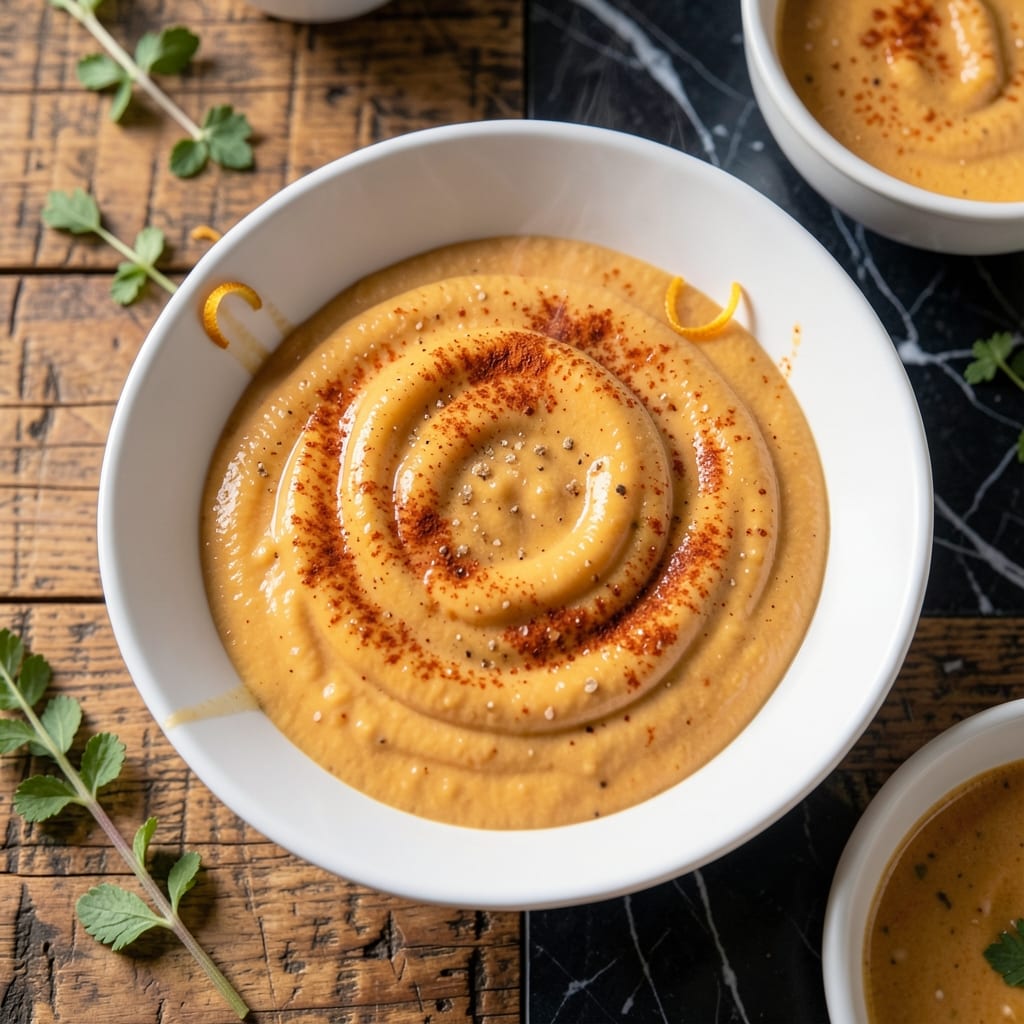
I created this powdered cheese sauce to solve a practical problem—how to get velvety comfort food ready in minutes without sacrificing quality. It’s my modern take on my grandmother’s handwritten shortcuts.
The powder stores for months, ready to transform into a smooth sauce with just hot liquid. No artificial additives, just real cheese and a few pantry staples combined in the right ratios.
Once reconstituted, it delivers that familiar, creamy richness perfect for macaroni, nachos, or steamed vegetables. The texture is consistently velvety every time.
Make a big batch and keep it on hand. It’s the kind of shortcut that makes weeknight cooking feel effortless.
Ingredients for Powdered Cheese Sauce
Nine pantry staples transform into velvety cheese sauce powder ready for instant comfort.
| Ingredient | Amount | Notes |
|---|---|---|
| Cheddar Cheese Powder 🧀 | 1 cup | Sharp cheddar for bold flavor |
| Nonfat Dry Milk Powder 🥛 | ½ cup | Instant variety preferred |
| Cornstarch 🌾 | ¼ cup | For thickening consistency |
| Salt 🧂 | 1 tbsp | Fine grain for even distribution |
| Garlic Powder 🧄 | 2 tsp | Not garlic salt substitute |
| Onion Powder 🧅 | 2 tsp | Adds depth of flavor |
| Mustard Powder 🌶️ | 1 tsp | Enhances cheesy taste |
| Citric Acid 🍋 | ½ tsp | Preserves color and tang |
| Paprika 🌶️ | 1 tsp | For subtle smokiness |
[recipe_ingredient_scaler]
The cheddar powder is the soul here. Hoosier Hill Farm on Amazon has the best sharp cheddar powder I’ve found—bright orange, intense flavor. Nonfat dry milk from Nestlé Carnation dissolves smoothly (the store-brand stuff can be gritty). For cornstarch, any name brand works—just check the expiration. It loses thickening power over time.
No cheddar powder? Grind dehydrated cheese slices in a food processor—not ideal, but it works. Out of cornstarch? Arrowroot powder at the same amount. The mustard powder is subtle but important—skip it and the sauce tastes flat. Citric acid is in the canning section at Walmart or with the spices at Whole Foods.
Store in an airtight container in a cool, dark place. Keeps for 6-12 months without clumping. If it’s humid where you live, toss in a silica packet (from beef jerky bags) to be safe. One batch makes about 2 cups of powder—enough for 4-5 sauces.
Why You’ll Love This Recipe
- I’ll be real: it costs pennies per serving compared to store-bought cheese sauces.
- Pantry Staples: I love that I already have everything on hand—just mix the cheddar powder, dry milk, cornstarch, and spices.
- Rich & Garlicky: The garlic powder gives it that bold kick, while the cheddar powder melts into this velvety, crave-worthy sauce.
- Endless Uses: Honestly, I toss it on pasta, nachos, or even steamed veggies—it works for literally any meal.
Step-by-Step Instructions for Powdered Cheese Sauce
This method ensures a silky, lump-free sauce that delivers that nostalgic comfort in minutes.
Step 1: Combine Dry Ingredients Thoroughly
In a medium bowl, whisk together the 1 cup Cheddar Cheese Powder, 0.5 cup Nonfat Dry Milk Powder, 0.25 cup Cornstarch, 1 tbsp Salt, 2 tsp Garlic Powder, 2 tsp Onion Powder, 1 tsp Mustard Powder, 0.5 tsp Citric Acid, and 1 tsp Paprika until fully incorporated.
I always sift the cornstarch first to eliminate any lumps—this guarantees a smooth texture in the final sauce. The citric acid might seem unusual, but it brightens the flavor and keeps the color vibrant. Press any visible clumps against the bowl’s side with the back of a spoon to break them up completely.
Step 2: Hydrate with Cold Liquid
Gradually add 1 cup cold water or milk to the dry mixture while whisking constantly. Start with a slow trickle, then increase to a thin stream once the initial liquid is absorbed. This controlled addition prevents clumping.
You’ll notice the mixture thickens almost immediately. Keep whisking for 1-2 minutes until completely smooth. The cornstarch needs this time to fully hydrate and distribute evenly. If you see any dry spots at the bottom, use a silicone spatula to scrape and incorporate them.
Step 3: Cook Over Medium Heat
Pour the mixture into a saucepan and place it over medium heat. Stir constantly with a wooden spoon or silicone spatula, making sure to reach into the corners where the sauce tends to thicken first.
Within 3-5 minutes, the sauce will begin to thicken and bubble. At this point, reduce the heat to medium-low and continue stirring for another 2-3 minutes until it reaches your desired consistency. You’re looking for a velvety texture that coats the back of a spoon but still pours easily.
Step 4: Adjust Consistency and Serve
If the sauce becomes too thick, whisk in additional cold water or milk 1 tablespoon at a time until it reaches the perfect pourable consistency. Remember that it will thicken slightly as it cools, so aim for it to be just a touch thinner than your final preference.
Taste and adjust seasoning if needed—though with the precise balance of salt and spices in the dry mix, this is rarely necessary. Serve immediately while hot and creamy, over pasta, vegetables, or as a dip. This sauce sets up quickly as it cools, so keep it warm in a double boiler if not serving right away.
Pro Tips For Making Powdered Cheese Sauce
- Whisk While Heating: Add the dry mix to cold liquid first, then heat on medium-low while whisking constantly—I learned this the hard way after ending up with lumpy sauce more times than I’d like to admit.
- Use Whole Milk: Swap the water for whole milk instead of nonfat; it adds richness that the dry milk powder alone can’t quite replicate, and the sauce clings better to pasta or veggies.
- Skip the Boil: Resist the urge to crank the heat to high; once it hits a gentle simmer, pull it off—the cornstarch will thicken it perfectly without turning into glue.
- Add Cheese Last: If you’re boosting flavor with extra shredded cheddar, stir it in off the heat after the sauce thickens—this keeps it smooth instead of stringy or greasy.
Perfect Pairings for This Dish
Classic Comfort Pairings
Drizzle this over elbow macaroni for the ultimate nostalgic dish. I use Barilla pasta—it holds sauce perfectly. The powder makes enough for 1 pound of pasta with a little extra for topping. 💛
Dippable Delights
Serve warm with tortilla chips or pretzel bites for game day. The sauce thickens as it cools, making it ideal for dipping. I’ve even used it as a fondue alternative—just thin with ¼ cup beer.
Veggie Boost
Pour over steamed broccoli or roasted cauliflower to make vegetables irresistible. Kids who normally turn up their noses will ask for seconds. Add ½ tsp smoked paprika to the dry mix for extra depth.
Breakfast Upgrade
Use as a base for cheesy grits or drizzle over scrambled eggs. Stir 2 tbsp powder into hot cooked grits for instant cheesy goodness. I’ve even mixed it into mashed potatoes for a quick loaded version.
Burger and Fry Topper
Transform a basic burger by adding a spoonful to the patty before cooking. It melts into a gooey, flavorful surprise. Fries dipped in this sauce disappear faster than ketchup at my house.
Casserole Shortcut
Mix ½ cup powder into hot milk, then stir into tuna noodle casserole before baking. It replaces the traditional roux-based sauce with zero extra effort. The citric acid keeps the color bright even after baking.
Nutrition Facts
Frequently Asked Questions
How long does the powdered mix last?
Stored in an airtight container in a cool, dark place, it stays fresh for 6-12 months. For humid climates, add a silica packet to prevent clumping.
Can I use milk instead of water when reconstituting?
Whole milk yields the creamiest results. Skim milk works too, but the sauce may be slightly thinner. Always use cold liquid to avoid lumps.
Why is citric acid included?
It preserves the bright color and adds a subtle tang that balances the richness. Without it, the sauce may taste flat or dull.
My sauce turned out grainy. What went wrong?
Likely the cornstarch wasn’t fully dissolved. Always whisk cold liquid into the powder gradually. Heating too quickly can also cause graininess.

Trained in classic French technique but raised on slow-cooked ribs and spicy rubs, she blends culinary skill with smoke and soul.
- Recipe for Boneless Pork Chops in Cast Iron Skillet: Sear and Baste to Juicy Perfection - October 3, 2026
- Recipe for Boneless Cross Rib Roast: Slow-Roasted Beef with Herb Crust - October 3, 2026
- Hamburgers in Sauce Recipe Crock Pot: Slow-Cooked Savory Delight - October 3, 2026