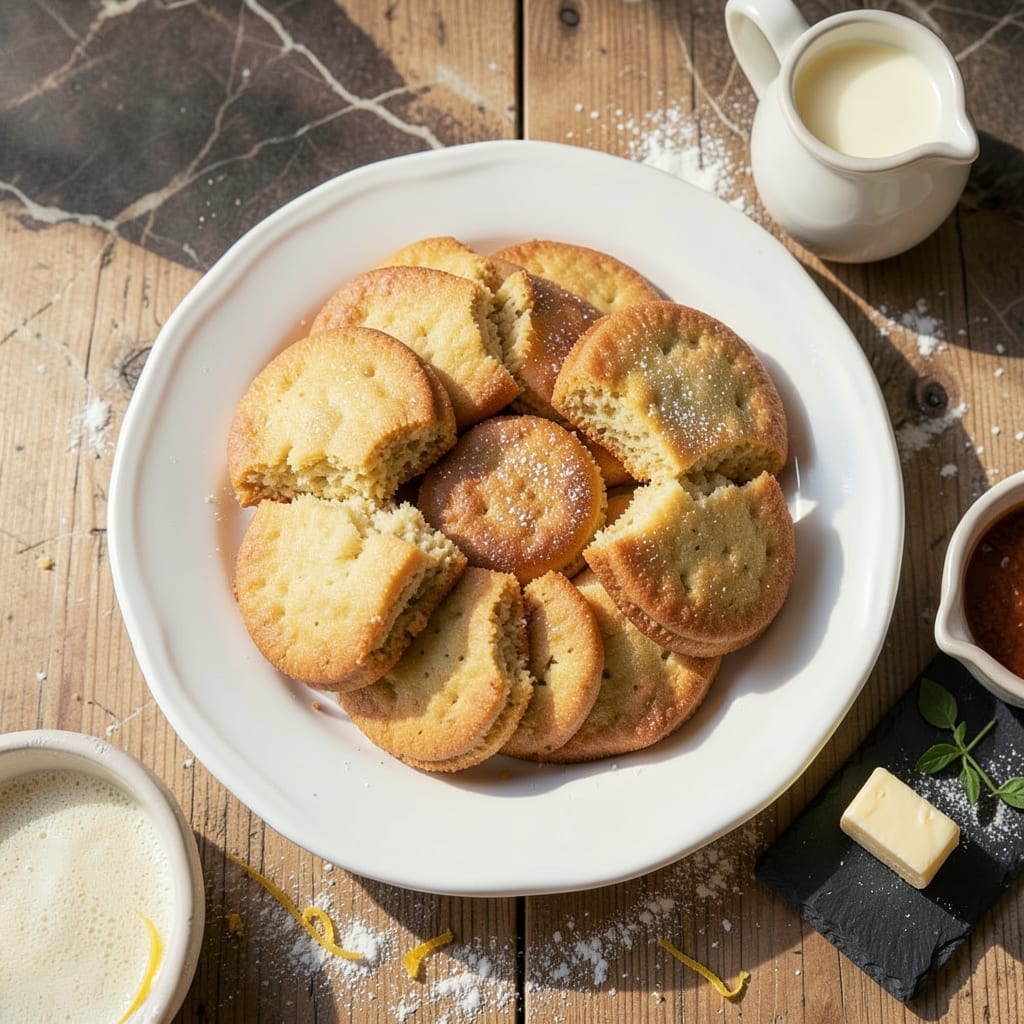
There’s something deeply satisfying about pulling a tray of golden biscuits from the oven, their flaky layers promising buttery perfection. This method delivers that coveted texture without the fuss of complicated techniques.
I developed this approach after years of testing different fats and folding methods. The key is cold ingredients and a gentle touch—no overworking the dough, just precise steps that ensure tender results every time.
What you’ll get are biscuits that rise high with distinct layers, each one ready to split open and slather with butter or jam. The process is straightforward, but the outcome feels anything but ordinary.
Serve them warm for breakfast, alongside dinner, or as a snack. These biscuits are versatile enough for any meal.
Ingredients for Jiffy Biscuits
Cold butter and buttermilk create those flaky layers everyone loves in these biscuits.
| Ingredient | Amount | Notes |
|---|---|---|
| All-Purpose Flour 🌾 | 2 cups | Plus extra for dusting surface |
| Baking Powder 🧂 | 1 tbsp | Aluminum-free preferred for clean flavor |
| Granulated Sugar 🍚 | 1 tbsp | Balances the richness of the fat |
| Salt 🧂 | 1 tsp | Fine sea salt recommended |
| Cold Unsalted Butter 🧈 | ½ cup | Cut into small cubes, keep chilled |
| Cold Buttermilk 🥛 | ¾ cup | Full-fat for optimal texture |
| Baking Soda 🧂 | ¼ tsp | Ensures proper rise |
| Cream of Tartar 🧂 | ½ tsp | Adds stability to layers |
| Large Egg 🥚 | 1 whole | Cold, beaten lightly |
| Heavy Cream 🥛 | 2 tbsp | For brushing tops before baking |
[recipe_ingredient_scaler]
The butter is non-negotiable here—cold and unsalted. I use Plugrá or Kerrygold for their higher fat content, which translates to better layers. Buy buttermilk from the dairy aisle, or make your own with full-fat milk and lemon juice (5 minutes rest time). Cream of tartar might seem old-school, but it’s the secret to that classic Jiffy-style rise. Always measure flour by spooning into the cup, never scooping directly.
No buttermilk? Whole milk plus 1 tbsp vinegar per cup works in a pinch. Short on cream of tartar? Lemon juice at the same amount substitutes well. The egg can be skipped (use 1 tbsp extra buttermilk), but it adds richness. For extra flakiness, freeze the butter cubes for 10 minutes before mixing. King Arthur Flour is my go-to for consistency, but any all-purpose works.
Dough can be made a day ahead—just wrap it tightly and refrigerate. Baked biscuits stay fresh for 2 days in an airtight container, but they’re best warm. To reheat, wrap in foil and warm at 300°F for 10 minutes. Freeze unbaked dough balls for up to 1 month for fresh biscuits anytime.
Why You’ll Love This Recipe
- One Bowl Wonder: I love that I can mix the flour, baking powder, sugar, and salt right in one bowl, then cut in the cold butter—minimal mess, maximum ease.
- Buttery Layers: The cold butter creates these flaky, melt-in-your-mouth layers that make these biscuits irresistibly rich.
- Breakfast to Dinner: Honestly, they’re just as good with jam at breakfast as they are soaking up gravy at dinner time.
- Pantry Staples: All-purpose flour and a few basics are all you need—no special ingredients, just reliable, budget-friendly baking.
Step-by-Step Instructions for Jiffy Biscuits
Master these techniques to create tall, flaky biscuits with distinct layers and golden tops.
Step 1: Combine Dry Ingredients Precisely
In a large mixing bowl, whisk together the 2 cups All-Purpose Flour, 1 tbsp Baking Powder, 1 tbsp Granulated Sugar, 1 tsp Salt, 0.25 tsp Baking Soda, and 0.5 tsp Cream of Tartar. This combination of leavening agents ensures maximum rise and stability for those coveted layers.
Whisk vigorously for 30 seconds to fully distribute the leavening agents—this prevents pockets of uneven rise. The cream of tartar reacts with the baking soda to create additional lift, while the baking powder provides a double-acting boost. Look for a uniform, speckle-free mixture.
Step 2: Cut in Cold Butter for Flaky Texture
Add the 0.5 cup Cold Unsalted Butter (cut into small cubes) to the flour mixture. Using a pastry cutter or your fingertips, work the butter into the flour until the mixture resembles coarse crumbs with pea-sized butter pieces visible throughout.
This step is critical for flakiness—the visible butter pieces create steam pockets during baking that separate the dough into layers. Work quickly to keep the butter cold; if it begins to soften or melt, chill the bowl in the freezer for 5 minutes before continuing. The texture should look shaggy, not uniform.
Step 3: Incorporate Wet Ingredients Gently
Create a well in the center of the flour-butter mixture. Pour in the 0.75 cup Cold Buttermilk and 1 whole Large Egg (lightly beaten). Using a fork, stir just until the dough begins to come together—it will look rough and slightly sticky.
Overmixing develops the gluten, which toughens the biscuits and prevents them from rising properly. The dough should pull away from the sides of the bowl but may still have a few dry spots. Use a silicone spatula to fold the dough 2-3 times to bring it fully together, then turn it out onto a lightly floured surface.
Step 4: Laminate and Cut for Distinct Layers
Pat the dough into a 1-inch thick rectangle. Fold the rectangle in thirds like a business letter, then rotate 90 degrees and pat out again to 1-inch thickness. Repeat this folding and turning process 2 more times for a total of three folds.
This lamination technique creates multiple thin layers of butter between layers of dough, resulting in those flaky, pull-apart biscuits. Dust the surface with flour as needed to prevent sticking, but avoid using too much—excess flour can make the biscuits dry. Use a 2.5-inch round cutter to cut out biscuits, pressing straight down without twisting to ensure even rise.
Step 5: Bake to Golden Perfection
Place the biscuits on a parchment-lined baking sheet, touching slightly. Brush the tops with 2 tbsp Heavy Cream—this promotes browning and adds a subtle richness. Bake at 425°F for 15-18 minutes until the tops are deep golden brown and the layers are visible.
Resist the urge to open the oven during the first 10 minutes—this allows the biscuits to rise fully before the crust sets. They’re done when the internal temperature reaches 200°F and the bottoms are golden. Transfer to a wire rack and serve warm—the layers should pull apart easily, revealing a tender, flaky interior.
Pro Tips For Making Jiffy Biscuits
- Keep Butter Ice Cold: Cut the cold unsalted butter into small cubes and return it to the fridge for 10 minutes before mixing—I learned this the hard way after ending up with flat, tough biscuits more than once.
- Measure Flour Right: Spoon the all-purpose flour into your measuring cup and level it off with a knife; scooping directly from the bag packs it down and makes your biscuits dense.
- Don’t Overmix: Stir just until the dough comes together, even if it looks a little shaggy—after burning three batches, I finally figured out that overworking develops gluten and ruins the fluffiness.
- Use a Hot Oven: Preheat to 425°F and bake immediately; sounds weird, but it works: the high heat makes the baking powder react fast for that tall, golden rise.
Creative Variations of These Flavors
Cheesy Cheddar Drop
Add 1 cup shredded sharp cheddar to the dry ingredients before mixing in the butter. This creates melty pockets throughout each biscuit. I use Cabot Extra Sharp for that bold flavor. The cheese browns beautifully on top while staying gooey inside.
Herb Garden Twist
Mix 2 tbsp chopped fresh chives and 1 tbsp fresh thyme leaves into the dough for a fragrant, savory note. I forage wild thyme along coastal paths when I can—it adds a brightness that dried herbs can’t match. 🌿
Spicy Kick
Stir 1 tsp cayenne pepper and ½ tsp smoked paprika into the flour mixture. This adds warmth without overpowering. I developed this variation after testing rubs at local BBQ competitions—perfect for those who love heat.
Sweet Morning Treat
Increase sugar to 3 tbsp and add ½ cup raisins or chopped dried apricots. Brush with melted butter and sprinkle with cinnamon sugar after baking. These taste like mini scones and pair beautifully with coffee.
Garlic Butter Swirl
After the second fold, spread 2 tbsp garlic-herb butter over the dough before the final fold. This creates a marbled effect with garlic flavor in every bite. I use my own blend with roasted garlic and parsley from the farmers market.
Whole Wheat Option
Replace 1 cup All-Purpose Flour with whole wheat flour for a nuttier flavor and extra fiber. The biscuits will be slightly denser but still flaky. Add 1 extra tbsp buttermilk to compensate for the drier flour. 💪
Nutrition Facts
Frequently Asked Questions
Can I use regular milk instead of buttermilk?
Yes, mix 1 cup milk with 1 tbsp vinegar or lemon juice. Let it sit for 5 minutes to curdle before using. This creates a buttermilk substitute that works well.
Why do my biscuits come out flat?
Overworking the dough or using warm butter can prevent rising. Keep ingredients cold and handle the dough gently. Also, check your baking powder’s freshness—old leavening loses effectiveness.
Can I make these ahead of time?
Shape and cut the dough, then refrigerate overnight. Or freeze unbaked biscuits on a tray, then transfer to a bag. Bake straight from frozen, adding 2-3 minutes to the time.

Trained in classic French technique but raised on slow-cooked ribs and spicy rubs, she blends culinary skill with smoke and soul.
- Recipe for Boneless Pork Chops in Cast Iron Skillet: Sear and Baste to Juicy Perfection - October 3, 2026
- Recipe for Boneless Cross Rib Roast: Slow-Roasted Beef with Herb Crust - October 3, 2026
- Hamburgers in Sauce Recipe Crock Pot: Slow-Cooked Savory Delight - October 3, 2026