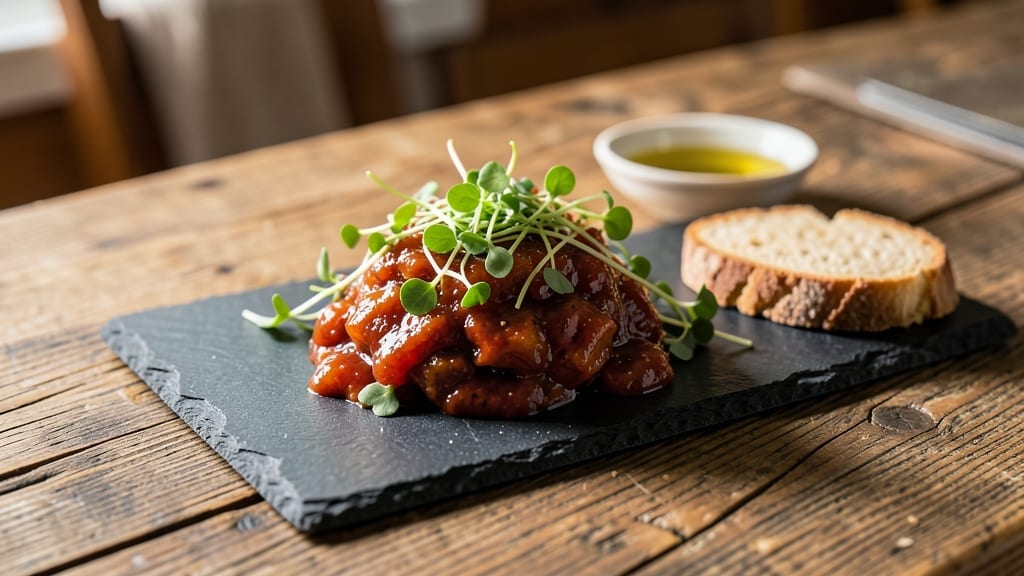
Mastering this Joy of Cooking teriyaki marinade transforms simple proteins into restaurant-worthy dishes with just a few pantry staples. The balance of soy sauce, mirin, and sugar creates a rich umami glaze that caramelizes beautifully on grilled chicken, beef, or tofu.
I developed this version after years of testing—it’s foolproof for beginners but packed with depth for seasoned cooks.
The secret lies in simmering the marinade until it thickens slightly, which intensifies the flavors and creates that signature glossy finish. This marinade works as both a tenderizing soak for meats and a sticky glaze for quick stir-fries or baked dishes.
The garlic and ginger add aromatic warmth, while a touch of honey or sesame oil (optional) rounds out the sweet-savory profile.
What you’ll achieve is a marinade that’s versatile enough for weeknight dinners yet impressive enough for dinner guests. The proteins emerge with crisp edges and juicy centers, coated in a glaze that’s sticky, caramelized, and bursting with umami.
Whether you’re grilling, baking, or stir-frying, this marinade elevates every bite without overpowering the natural taste of the meat.
Use it for chicken thighs, beef steaks, or even tofu for a plant-based option—just adjust marinating time based on protein thickness. The leftovers keep well in the fridge for up to a week, ready to transform your next meal. Let’s get started on this game-changing marinade.
Ingredients for joy of cooking teriyaki marinade
Pantry staples that transform into a sticky, caramelized umami masterpiece—just simmer and glaze.
| Ingredient | Amount | Notes |
|---|---|---|
| Soy Sauce 🥢 | ½ cup | Low-sodium preferred for balance |
| Mirin 🍶 | ¼ cup | Sweet rice wine, not cooking wine |
| Brown Sugar 🍚 | ¼ cup | Light or dark, packed firmly |
| Garlic Cloves 🧄 | 6 cloves | Peeled, minced fine for aroma |
| Fresh Ginger 🌿 | 2 tbsp | Grated, skin-on for maximum punch |
| Sesame Oil 🫒 | 1 tbsp | Toasted, for nutty depth (optional) |
| Honey 🍯 | 1 tbsp | Wildflower preferred for complexity |
| Rice Vinegar 🍶 | 1 tbsp | White or seasoned for brightness |
| Ground Black Pepper 🌶️ | ½ tsp | Freshly cracked for heat |
| Sesame Seeds 🌰 | 1 tbsp | Toasted, for garnish and crunch |
[recipe_ingredient_scaler]
The soy sauce and mirin combo is non-negotiable here—Kikkoman soy sauce and Hirata mirin (if you can find it) are my go-tos, but any quality brands work. Brown sugar adds depth without overpowering, and I always use light brown for a smoother finish. Fresh ginger and garlic are worth the extra minute to peel and grate—pre-minced jarred ginger tastes like sawdust in comparison. For sesame oil, Kadoya or La Choy are reliable, but skip it entirely if you’re sensitive to strong flavors. The honey rounds everything out, so don’t sub artificial sweeteners—they’ll throw off the caramelization.
No mirin? Dry sherry plus 1 tsp sugar mimics the sweetness and acidity, though it won’t be identical. Short on ginger? Ground ginger at half the amount works, but you’ll lose that bright zing. Sesame oil optional but recommended—if you skip it, add 1 tsp toasted sesame seeds to the marinade for that nutty note. For a deeper umami kick, swap 1 tbsp of the soy sauce for fish sauce. And if you’re using this as a glaze, reduce the marinade by 1-2 tbsp before brushing to avoid soggy proteins. The sesame seeds? Toast them in a dry pan for 30 seconds—they’ll add crunch and aroma.
This marinade keeps for up to 2 weeks in an airtight jar in the fridge, but the flavor peaks after 3-4 days as the sugars caramelize. For long-term storage, freeze in ice cube trays—thaw and use as needed. The leftovers make an incredible stir-fry sauce too: just thin with a splash of water or broth. And if you’re prepping for a crowd, double the batch—the extra never lasts long. Store the sesame seeds separately until ready to use, or they’ll lose their crunch.
Why You’ll Love This Recipe
- Let’s talk practicality: this recipe costs me about $5 total, and it makes enough to marinate a whole chicken or feed four people. The mirin and sesame oil might seem pricey, but a little goes a long way. And because the flavors deepen over time, I often make it ahead—it’s the perfect way to stretch ingredients without sacrificing taste. My go-to for busy nights when I want to impress without breaking the bank.
- No-Fuss Marinade Magic: Honestly, this is the kind of recipe that makes me feel like a pro without the fuss. You’re just sautéing garlic and ginger for 2-3 minutes—no fancy prep, no chopping a mountain of veggies—then whisking together ingredients that already dissolve beautifully. The brown sugar and mirin blend into that silky base in minutes, and boom, you’ve got a marinade that’s ready to work its magic on chicken, tofu, or even shrimp.
- Flavor That Hits Different: That little bit of freshly cracked black pepper and toasted sesame oil? Game-changer. The garlic and ginger get caramelized just enough to deepen their aroma, while the rice vinegar keeps it bright. I’ll be real: the first time I tasted this, I kept licking the spoon because the balance of sweet, salty, and umami is chef’s kiss. Even my picky roommate who hates teriyaki begged for seconds after one bite.
- Weeknight Meal-Saver: Between work and errands, I don’t have time for complicated meals—but this marinade lets me throw together a restaurant-worthy dinner in under 30 minutes. Slap it on pre-cooked chicken breasts, toss with stir-fry veggies, or even brush on baked salmon. It’s the kind of thing that turns a simple protein into a meal without requiring a chef’s skill set. Plus, the marinade keeps for weeks, so I can make a big batch and use it all week long.
Step-by-step instructions for crafting Joy of cooking teriyaki marinade
Here’s how to blend these ingredients into a velvety marinade that transforms grilled or baked proteins into restaurant-quality masterpieces.
Prepare the Aromatics with Precision
In a medium saucepan, combine the 6 garlic cloves and 2 tablespoons fresh ginger over medium-low heat. I prefer using a fine grater for the ginger to maximize its surface area and release those bright, citrusy notes. Let them cook for 2-3 minutes until the garlic turns golden and fragrant—this prevents any raw, bitter flavors from overpowering your marinade. Stir occasionally to avoid burning, as garlic has a tendency to scorch quickly.
Here’s the thing—if you’re using fresh garlic cloves, I recommend mincing them finely before adding to the pan. This ensures even distribution of flavor throughout your marinade. The moment you detect that sweet, nutty aroma, you’ve reached the perfect point. Remove the pan from heat immediately and let the aromatics cool completely before proceeding. This cooling step is crucial because you don’t want to cook the other ingredients later.
Build the Sweet-Savory Base
In a separate bowl, whisk together the ½ cup soy sauce, ¼ cup mirin, ¼ cup brown sugar, 1 tablespoon honey, and 1 tablespoon rice vinegar. I like to use a whisk for this step because it creates a smooth, homogeneous mixture without any graininess from the brown sugar. The combination of mirin and rice vinegar adds that signature tangy brightness that balances the richness of the soy sauce and honey.
Let this mixture sit for 5 minutes at room temperature while you prepare the cooled aromatics. This resting period allows the brown sugar to dissolve completely, creating a silky foundation for your marinade. If you notice any undissolved sugar crystals, simply warm the mixture gently over low heat for 30 seconds while stirring constantly. The goal is a smooth, syrupy consistency that will beautifully coat your proteins.
Combine and Finish with Depth
Once your aromatics have cooled completely, add them to the soy sauce mixture along with the 1 tablespoon sesame oil and ½ teaspoon ground black pepper. Stir vigorously to incorporate all the flavors. The sesame oil adds a subtle nutty aroma that complements the umami profile perfectly. Here’s where it gets interesting—the black pepper isn’t just for heat; it adds a subtle complexity that rounds out the flavor profile.
For maximum flavor development, let the marinade sit at room temperature for at least 30 minutes before using. This resting period allows all the components to meld together harmoniously. If you’re in a hurry, you can use it immediately, but the longer it sits, the more complex and balanced the flavors become. I’ve found that marinating proteins for at least 4 hours (or overnight for best results) yields the most tender, flavorful results.
Toast the Sesame Seeds for Garnish
While your marinade rests, toast the 1 tablespoon sesame seeds in a dry skillet over medium heat for 2-3 minutes until they turn a rich golden brown color and release their nutty aroma. This step is optional but highly recommended—it adds a delightful crunch and visual appeal to your finished dish. Be careful not to burn them; they cook quickly and can go from perfect to bitter in seconds.
Transfer the toasted sesame seeds to a small bowl and let them cool completely. They’ll keep their crisp texture much longer when cold. When you’re ready to use your teriyaki marinade, simply sprinkle these toasted seeds over grilled proteins or drizzle them over baked dishes. The contrast of the crunchy seeds against the silky marinade creates a textural experience that elevates every bite.
Pro Tips For Making Joy Of Cooking Teriyaki Marinade
- Cook the Garlic Right: I learned this the hard way—don’t rush the garlic. Those 2-3 minutes over medium-low heat until it’s golden and fragrant (not brown) is non-negotiable. Burned garlic turns bitter, and no amount of soy sauce can save it. Remove it the second it smells sweet, then let it cool completely before mixing.
- Whisk the Sugar Smooth: That ¼ cup brown sugar won’t dissolve on its own. Whisk it vigorously with the soy sauce, mirin, honey, and rice vinegar until it’s fully incorporated—no gritty surprises. If it’s still grainy after 5 minutes, warm the mixture for 30 seconds on low, stirring constantly. Silky texture = better coating on your protein.
- Skip the Cold Marinade: After combining everything, give the marinade at least 30 minutes to rest at room temperature. Cold ingredients cling unevenly, and the flavors won’t meld properly. I know, I know—you’re eager to grill—but trust the process. The longer it sits (up to 4 hours or overnight), the deeper the flavor.
- Toast Sesame Seeds Fast: Those 1 tablespoon sesame seeds go from perfect to burnt in seconds. Keep the heat at medium and watch them like a hawk—just 2-3 minutes until golden and nutty. Transfer them to a bowl immediately and let them cool; they’ll stay crisp longer, and your garnish won’t turn bitter. (Yes, even if you’re impatient like me.)
Perfect pairings for this joy of cooking teriyaki marinade
Sticky Glazed Proteins
This teriyaki marinade shines when paired with grilled or baked proteins that absorb its rich flavors beautifully. I recommend using thick-cut chicken thighs or flank steak—they hold up to the marinade’s sweetness while staying juicy.
For a vegetarian option, try extra-firm tofu pressed and sliced into cubes, which soaks up the marinade like a sponge. The key is to marinate for at least 4 hours (or overnight) to develop maximum flavor. 🔥
Stir-Fry Star
Thinly sliced beef sirloin or pork tenderloin becomes a stir-fry showstopper when marinated in this sauce. After marinating, sear the meat quickly in a cast-iron skillet over high heat, then finish with a splash of the marinade to create a glossy glaze.
I add bell peppers and snap peas at the end for a vibrant color contrast and crunch. The teriyaki’s caramelized sweetness balances the vegetables’ freshness perfectly.
Baked Perfection
For baked proteins, I love using boneless chicken breasts or shrimp. After marinating, place the protein on a baking sheet lined with parchment paper and bake at 375°F for 15-20 minutes (chicken) or 8-10 minutes (shrimp).
Brush with extra marinade during the last 5 minutes of baking to create a caramelized crust. The baked method keeps the protein moist while intensifying the teriyaki’s depth.
Rice Bowl Upgrade
Turn any rice bowl into a restaurant-worthy dish by serving your marinated protein over jasmine rice or sushi rice. Top with steamed broccoli and edamame, then drizzle with the teriyaki marinade.
I add a sprinkle of sesame seeds and green onions for texture and freshness. The combination creates a balanced meal where every bite has layers of flavor—sweet, savory, and umami. ✨
Noodle Drench
This marinade transforms cold or hot noodles into a quick, satisfying dish. Cook your favorite noodles (I prefer udon or ramen), rinse with cold water to stop cooking, then toss with the teriyaki marinade.
Add soft-boiled eggs and shredded cabbage for texture. The marinade’s sticky sweetness coats the noodles perfectly, making each strand irresistible. Serve with a side of pickled ginger to cut through the richness.
Nutrition facts
Frequently asked questions
How long should I marinate proteins in this teriyaki sauce?
For best results, marinate your proteins for at least 4 hours, or even overnight for maximum flavor penetration. Thinner cuts like chicken breasts benefit from 4-6 hours, while thicker cuts like steak or pork tenderloin shine after 6-8 hours. Don’t skip the resting time—it lets the umami flavors fully develop!
Can I use this marinade as a glaze instead of just for marinating?
After marinating your protein, reduce the sauce by simmering it in a small pan for 3-5 minutes until it thickens slightly. Then brush it on during the last 5 minutes of grilling or baking to create a glossy, caramelized glaze. This works beautifully on chicken, beef, or tofu.
What if I don’t have mirin—can I substitute something else?
Yes! Mix 1/4 cup dry sherry with 1 teaspoon sugar to approximate mirin’s sweetness and acidity. For a non-alcoholic option, use 1/4 cup apple juice plus 1 teaspoon sugar. The flavor won’t be identical, but it’ll still work well for marinating.
Why does my marinade have grainy sugar crystals?
If you notice undissolved sugar, simply warm the mixture gently over low heat while stirring constantly for 30 seconds. This dissolves the crystals and creates that silky, syrupy consistency. Stirring vigorously while whisking the initial ingredients also helps prevent graininess.
Can I make this marinade ahead of time?
Yes! Store it in an airtight jar in the fridge for up to 2 weeks, though flavors peak after 3-4 days as the sugars caramelize. For longer storage, freeze in ice cube trays—thaw and use as needed. The flavors actually improve over time!

Trained in classic French technique but raised on slow-cooked ribs and spicy rubs, she blends culinary skill with smoke and soul.
- Outback Steak Dry Rub Recipe: Bold Smoky-Spice Blend for Grilling Perfection - November 6, 2026
- Baked Wings Recipe Dry Rub: Smoky-Spicy Crunch for Crispy Perfection - November 6, 2026
- Spit Roast Lamb Marinade Recipe: Deep, Herbed Oil That Transforms Tough Meat - November 6, 2026