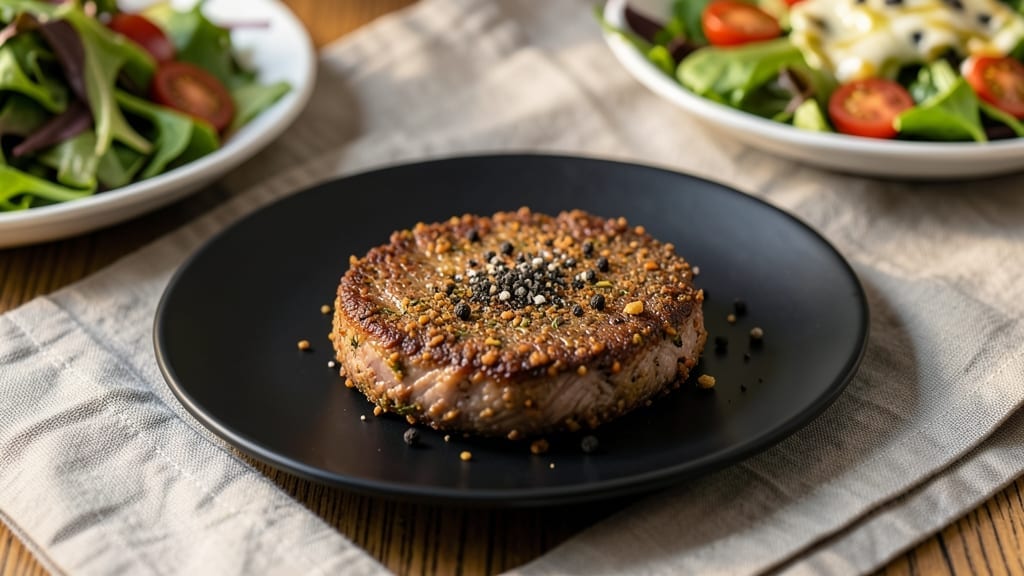
Creating a homemade rib rub recipe transforms ordinary ribs into a restaurant-worthy masterpiece with just a few simple ingredients and precise measurements. This smoky-spiced blend is designed to caramelize beautifully, locking in flavor and delivering that coveted fall-off-the-bone tenderness.
The key lies in balancing sweetness, heat, and depth—each tablespoon and teaspoon plays a critical role in achieving professional results.
What makes this recipe stand out is its versatility and shelf stability. Store the dry rub in an airtight container for up to six months, making it a pantry staple for any slow-cooked or grilled rib occasion.
The blend includes essentials like brown sugar for caramelization, smoked paprika for depth, and garlic powder for aromatic punch—all measured to perfection for consistent flavor every time.
By applying this rub generously before cooking, you ensure every bite is packed with flavor while maintaining that perfect bark on the outside. Whether you’re smoking, grilling, or baking, this recipe guarantees ribs that are tender, juicy, and bursting with smoky-sweet notes.
The process is straightforward, but the results are undeniably impressive—ideal for feeding a crowd or treating yourself to a showstopping meal.
For those who enjoy customization, variations like adding cayenne for heat or cinnamon for warmth can tailor the rub to personal taste. The blend remains foolproof regardless of adjustments, ensuring your ribs turn out flawlessly. Let’s get started on creating this essential seasoning mix that will elevate your cooking game.
Ingredients for homemade rib rub
Precision-measured spices and sweeteners create the perfect smoky-sweet rib rub for restaurant-quality tenderness.
| Ingredient | Amount | Notes |
|---|---|---|
| Light Brown Sugar 🍯 | ½ cup | Packed for optimal caramelization |
| Smoked Paprika 🌶️ | 3 tbsp | High-quality, non-GMO preferred |
| Kosher Salt 🧂 | 2 tbsp | Diamond Crystal preferred for purity |
| Garlic Powder 🧄 | 2 tbsp | Freshly ground preferred |
| Onion Powder 🧅 | 1 tbsp | Non-GMO, fine grind |
| Ground Black Pepper 🌶️ | 1 tbsp | Freshly cracked preferred |
| Ground Cumin 🌿 | 1 tbsp | Toasted for enhanced aroma |
| Mustard Powder 🍯 | 1 tbsp | Yellow mustard preferred |
| Cayenne Pepper 🔥 | ½ tbsp | Adjust for heat preference |
| Ground Coriander 🌿 | 1 tsp | Freshly ground for brightness |
[recipe_ingredient_scaler]
The smoked paprika defines this rub’s signature depth—Penzeys brand delivers the most authentic smoky flavor, but McCormick or Simply Organic work well too. For optimal quality, source your spices from bulk bins at specialty markets like Whole Foods or Trader Joe’s, where they’re protected from light and air. Brown sugar should be packed firmly into the measuring cup to prevent air gaps that reduce caramelization potential. Diamond Crystal kosher salt is preferred for its purity and consistent grain size, though Morton works in a pinch. Toast your ground cumin and ground coriander in a dry pan for 30 seconds before mixing to unlock their full aromatic potential—this simple step transforms the rub from good to exceptional.
No smoked paprika? Substitute 1 tbsp regular paprika plus 1/2 tsp liquid smoke for depth, though the flavor won’t be identical. Mustard powder can be replaced with 1 tsp Dijon mustard powder if unavailable, though the texture may vary slightly. For heat adjustments, reduce cayenne to 1/4 tbsp for mild heat or increase to 1 tbsp for fiery results. Onion powder can be swapped with 1 tbsp onion salt, but you’ll need to adjust the kosher salt quantity downward by 1 tbsp to maintain balance. Garlic powder from a glass jar (not plastic) retains its potency longer—Simply Organic or Badia brands are excellent choices. When storing, avoid metal containers as they can react with the spices over time.
This rub maintains peak freshness for up to 6 months when stored in an airtight glass container in a cool, dark pantry. For extended shelf life, freeze portions in ice cube trays—each cube makes one application. The blend’s stability allows for batch preparation, making it ideal for holiday gatherings or weekend barbecues. For best results, apply generously (about 2 tbsp per pound of ribs) and let sit for 30 minutes before cooking to maximize flavor penetration. The rub’s sweet-savory balance ensures perfect bark development while keeping the meat tender and juicy throughout.
Why You’ll Love This Recipe
- No Mixing Madness: I toss everything in a bowl and whisk—no fancy gadgets needed. The key’s in the order: start with salt and garlic powder to build that flavor base, then let the smoked paprika and brown sugar do their magic. Even my roommate, who thinks “whisking” is just a fancy word for stirring, can nail this.
- Smoky Caramel Crunch: That half-cup of packed brown sugar? It turns into a sticky, golden crust when it hits the ribs—like a sweet, savory hug. The smoked paprika and cayenne keep it from being too sweet, while the coriander adds a little citrusy zing that makes every bite sing. Honestly, it’s the kind of rub that makes you forget about store-bought.
- Ribs for Every Occasion: Need a crowd-pleaser for the backyard BBQ? This rub’s your MVP. Want to impress on a weeknight? Slap it on chicken thighs or even roasted potatoes—suddenly, dinner feels special. My daughter even steals the jar to season her grilled cheese (she’s not wrong).
- Spice Stockpile Savings: This makes enough for at least three rib racks, and the leftovers? Perfect for freezing. I’ve got jars of this in my pantry from last summer, and it still packs a punch. Plus, buying spices in bulk is cheaper than those tiny pre-mixed packets—your wallet and taste buds will thank you.
Step-by-step instructions for homemade rib rub recipe
This blend delivers deep, smoky flavor and fall-off-the-bone tenderness every time.
Measure and Combine Dry Ingredients Precisely
In a medium bowl, add the 2 tablespoons kosher salt and 2 tablespoons garlic powder first. These form the flavor foundation, so distribute them evenly across the bowl’s surface. Next, incorporate the 1 tablespoon onion powder, 1 tablespoon ground black pepper, 1 tablespoon ground cumin, and 1 tablespoon mustard powder. Use a whisk to break up any clumps, ensuring all spices are fully aerated.
The reason for this order matters: salty and savory components (salt, garlic powder) should blend first to create an even base before adding the aromatic spices. I like to sprinkle the 3 tablespoons smoked paprika last—this distributes its color evenly throughout the mixture. Use a fine-mesh sieve if you prefer an ultra-fine texture, but a whisk works perfectly for most applications.
Add the Light Brown Sugar and Cayenne
Pour in the ½ cup packed light brown sugar and ½ tablespoon cayenne pepper while continuing to whisk. The sugar should dissolve gradually into the spice blend, creating a slightly sticky but free-flowing mixture. If the blend appears too dry, press it gently with a rubber spatula to encourage even distribution.
Here’s where the magic happens: the sugar caramelizes when applied to meat, forming that coveted bark while the cayenne adds subtle heat. For extra precision, I recommend using a kitchen scale to measure the sugar—packed brown sugar can vary by up to 1 ounce between loose and packed measurements. The 1 teaspoon ground coriander goes in last, completing the aromatic profile with its citrusy brightness.
Mix Thoroughly for Uniform Distribution
Transfer the mixture to a stand mixer fitted with the paddle attachment. Mix on low speed for 1 minute, then increase to medium speed for 2 minutes until completely homogeneous. The blend should resemble coarse sandpaper in texture—neither too fine (which can clump) nor too coarse (which won’t adhere well to meat).
For best results, I recommend pulsing the mixture in a food processor for 10-15 seconds if you prefer an ultra-fine texture. This step ensures every rib receives identical flavor distribution. Press the rub between your fingers to test consistency—it should feel gritty but cohesive, with no powdery residue remaining on your palm.
Store Properly for Maximum Freshness
Transfer the finished rub to an airtight container with a fine-mesh sieve lid. Label with the date and store in a cool, dark place for up to 3 months, or freeze for 6 months to preserve maximum potency. The spices will mellow slightly over time, but the flavor remains vibrant for months when stored correctly.
This rub works best when applied 12-24 hours before cooking, allowing the spices to penetrate the meat. For immediate use, apply generously and let sit uncovered in the refrigerator for at least 1 hour before grilling or smoking. The key to tender ribs lies in this resting period—it ensures even flavor absorption and prevents moisture loss during cooking.
Pro Tips For Making Homemade Rib Rub
- Whisk First, Mix Later: Start with the salt and garlic powder—this creates an even flavor base before adding the rest. I used to toss everything in at once, and the smoked paprika would clump like a dry riverbed. Sprinkling it last? That’s how you get that uniform red hue.
- Pack That Sugar: Brown sugar is sneaky—loose packing means less caramelization, and that’s where the bark magic happens. Use a spoon to press it down firmly in the cup, or tap the measuring cup on the counter. Trust me, your ribs will thank you.
- Skip the Pulse Overkill: A food processor for 10-15 seconds gives you a fine rub, but go longer, and you’ll turn it into spice dust. The goal is gritty, not powdery. Whisk it well first—most of the clumps break up that way.
- Rest the Meat Right: Applying the rub 12-24 hours ahead isn’t just a suggestion—it’s how the spices actually work their way into the meat. Skip the rush, and you’ll end up with flavor only on the surface. Even an hour uncovered in the fridge makes a difference.
Best sauces and condiments for these flavors
Sweet & Tangy Sauce Pairings
Balance the rub’s smoky depth with a sweet-sour barbecue sauce like Sweet Baby Ray’s Original or Paul Newman’s Original. Drizzle generously after cooking—about ¼ cup per pound of ribs—to enhance the caramelized bark while keeping the meat tender.
I love the 2:1 sugar-to-vinegar ratio in these sauces for that perfect tangy-sweet contrast. 🍯
Spicy Mango Habanero Glaze
For a tropical twist, blend 1 cup ripe mango purée, 1 tbsp habanero sauce, 1 tbsp lime juice, and 1 tsp honey. Simmer until thickened, then brush onto ribs before the final 10 minutes of cooking.
The heat from habanero complements the cayenne in your rub, while mango’s sweetness amplifies the smoky notes. This glaze is a crowd-pleaser at summer cookouts!
Brown Butter & Balsamic Reduction
Brown ½ cup unsalted butter in a pan until nutty, then whisk in ¼ cup reduced balsamic vinegar and 1 tbsp maple syrup. Strain out any solids, then drizzle over ribs after cooking.
The rich, tangy depth cuts through the rub’s saltiness while adding a luxurious finish. I always save this reduction for special occasions—it’s worth the extra effort. ✨
Smoky Chipotle Mayo
Mix ½ cup mayonnaise with 1 tbsp adobo sauce (from canned chipotles), 1 tsp smoked paprika, and ½ tsp garlic powder. This creamy, smoky mayo is perfect for serving alongside ribs or as a dipping sauce for pulled pork.
The chipotle’s smokiness echoes your rub’s profile, making it a natural pairing. I keep a jar of this in my fridge for quick flavor boosts. 🔥
Honey-Lime Aioli
Whisk ½ cup mayonnaise with 2 tbsp honey, 1 tbsp lime juice, 1 tsp grated lime zest, and a pinch of salt. The bright acidity and sweetness brighten up the rub’s richness, especially when served with grilled vegetables or cornbread.
I add ½ tsp smoked paprika for a subtle nod to the rub’s flavor—it’s a simple but game-changing upgrade. 💛
Nutrition facts
Frequently asked questions
How much rub should I use for ribs?
Apply about 2 tablespoons of this rub per pound of ribs for maximum flavor without overpowering. Generous but even coating ensures every bite packs smoky-sweet punch. For a bold taste, increase to 3 tablespoons per pound, but don’t skimp on the resting time—12-24 hours before cooking lets the spices truly penetrate.
Can I make this rub spicier or sweeter?
For extra heat, swap the ½ tablespoon cayenne for 1 tablespoon or add ½ teaspoon red pepper flakes. To sweeten, boost the ½ cup brown sugar to ¾ cup or add 1 teaspoon cinnamon for warmth. The blend remains balanced even with adjustments—just taste as you go!
Why does the recipe call for mixing on medium speed?
Low speed first ensures even distribution without clumping, while medium speed for 2 minutes creates a uniform, gritty texture that sticks perfectly to ribs. Overmixing can turn it powdery—stop when it resembles coarse sandpaper. For extra finesse, pulse in a food processor for 10-15 seconds instead.
What’s the best way to store leftover rub?
Transfer to an airtight glass container with a fine-mesh lid and store in a cool, dark place for up to 6 months. For longer shelf life, freeze portions in ice cube trays—each cube makes one application. Always label with the date to track freshness.
Can I use this rub on other meats?
Yes! It works beautifully on chicken, pork chops, or even brisket. For poultry, reduce the ½ tablespoon cayenne to ¼ teaspoon to avoid overpowering. The sweet-savory balance makes it versatile—just adjust cooking times based on the meat’s thickness.

Trained in classic French technique but raised on slow-cooked ribs and spicy rubs, she blends culinary skill with smoke and soul.
- Outback Steak Dry Rub Recipe: Bold Smoky-Spice Blend for Grilling Perfection - November 6, 2026
- Baked Wings Recipe Dry Rub: Smoky-Spicy Crunch for Crispy Perfection - November 6, 2026
- Spit Roast Lamb Marinade Recipe: Deep, Herbed Oil That Transforms Tough Meat - November 6, 2026