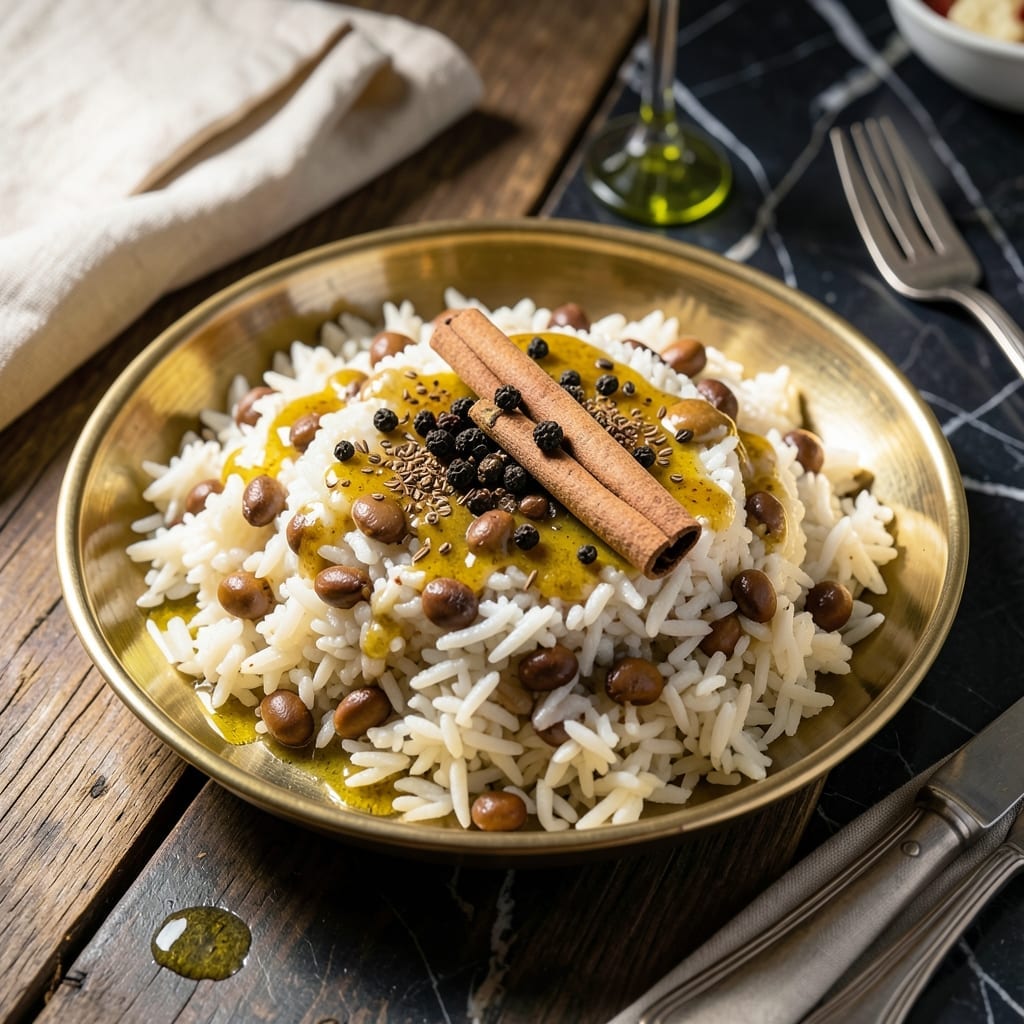
This South Indian classic brings warmth and tradition to any meal with its perfect balance of rice, lentils, and spices. I tested this recipe in my tiny Boston kitchen until it achieved the authentic texture and flavor.
The dish combines simple ingredients with precise spice tempering to create a comforting one-pot meal. The lentils add protein while the ghee and whole spices build layers of aromatic complexity.
What emerges is a fragrant, slightly crispy tadka-topped creation that pairs beautifully with coconut chutney or gotu. The rice and lentils cook together to absorb all the spiced ghee.
Serve hot for the full experience of this satisfying, protein-rich dish. Here’s the method.
Ingredients for Katte Pongali Recipe Vismai Food
South Indian rice, lentils, and spices come together in this comforting one-pot dish.
| Ingredient | Amount | Notes |
|---|---|---|
| Raw Rice 🍚 | 1 cup | Short grain preferred for texture |
| Split Pigeon Peas 🌱 | ½ cup | Also known as toor dal |
| Ghee 🧈 | ¼ cup | Clarified butter for authenticity |
| Cumin Seeds 🌿 | 1 tsp | Whole seeds for tempering |
| Black Peppercorns 🌶️ | 1 tsp | Whole peppercorns, lightly crushed |
| Cinnamon Stick 🌰 | 1 piece | Small piece for aroma |
| Cardamom Pods 🌿 | 2 pieces | Lightly crushed to release flavor |
| Cloves 🌰 | 2 pieces | Whole cloves for depth |
| Green Chilies 🌶️ | 2 pieces | Slit lengthwise for mild heat |
| Fresh Ginger 🌿 | 1 tbsp | Grated for spice blend |
| Curry Leaves 🍃 | 10 pieces | Fresh for tempering tadka |
| Cashews 🥜 | ¼ cup | Broken into pieces for garnish |
| Water 💧 | 4 cups | For cooking rice and lentils |
| Salt 🧂 | 1 tsp | Adjust to taste preference |
[recipe_ingredient_scaler]
For authentic flavor, ghee is essential—look for pure clarified butter at Indian grocery stores or well-stocked supermarkets. The whole spices (cumin, peppercorns, cinnamon, cardamom, cloves) should be fresh and aromatic. Patel Brothers or H Mart are reliable sources for quality South Indian ingredients. The split pigeon peas (toor dal) must be unpolished for best texture. Cashews add richness, so don’t skip them.
No ghee? Neutral oil works in a pinch, but lacks the depth. Fresh curry leaves are ideal, but dried work at half the amount if needed. Can’t find split pigeon peas? Yellow moong dal is a decent substitute, though texture will differ slightly. Green chilies can be adjusted for heat preference. The rice should be short-grain for proper absorption.
Store whole spices in airtight containers away from light. They keep for 6-12 months. Cooked katte pongali stays fresh in the fridge for 3-4 days and freezes well for up to 1 month. Reheat gently with a splash of water to restore moisture.
Why You’ll Love This Recipe
- I’ll be real: this feeds my family for two meals on just a handful of affordable ingredients.
- One Pot Meal: I love that everything—raw rice, split pigeon peas, and spices—cooks together in a single pot with minimal cleanup.
- Rich Ghee Flavor: The ghee with cumin and black peppercorns gives it that warm, nutty aroma that fills the kitchen.
- Breakfast or Dinner: Honestly, I make it for a hearty breakfast or pair it with curd for a light dinner.
Step-by-Step Instructions for Katte Pongali
Master this traditional method for perfectly spiced rice and lentils with balanced flavors and ideal texture.
Step 1: Prepare and Wash the Base Ingredients
Rinse the 1 cup Raw Rice and 0.5 cup Split Pigeon Peas together under cold running water until the water runs clear. This removes excess starch and prevents the dish from becoming gummy. I recommend using a fine-mesh strainer for this step.
After rinsing, soak the rice and lentils in fresh water for 15-20 minutes. This softens them slightly, ensuring even cooking and reducing the overall preparation time. Drain completely before using—excess water will throw off the rice-to-liquid ratio.
Step 2: Temper the Whole Spices
Heat the 0.25 cup Ghee in a heavy-bottomed pot over medium heat. When it melts and becomes slightly frothy, add the 1 tsp Cumin Seeds, 1 tsp Black Peppercorns, 1 piece Cinnamon Stick, 2 pieces Cardamom Pods, and 2 pieces Cloves.
Sauté for 30-45 seconds until the spices release their aroma and the cumin seeds begin to sizzle. Be careful not to let them burn—burnt spices will make the dish bitter. Immediately add the 2 pieces Green Chilies, 1 tbsp Fresh Ginger, and 10 pieces Curry Leaves to the pot.
Step 3: Cook the Rice and Lentils
Add the drained rice and lentils to the pot, stirring well to coat them in the spiced ghee. Toast for 1-2 minutes to enhance the nutty flavor of the grains. This step also helps prevent the rice from sticking together during cooking.
Pour in the 4 cups Water and add the 1 tsp Salt. Stir once to distribute the ingredients evenly, then bring the mixture to a rolling boil over high heat. As soon as it boils, reduce the heat to low, cover the pot with a tight-fitting lid, and let it simmer undisturbed.
Step 4: Finish with Cashews and Rest
After 15 minutes, check if the water has been absorbed and the rice and lentils are tender. If the mixture appears dry but the grains are not fully cooked, sprinkle 2-3 tablespoons of hot water over the top, cover, and cook for another 2-3 minutes.
Once the grains are soft and the liquid is absorbed, turn off the heat. Add the 0.25 cup Cashews to the top of the pongali, cover the pot, and let it rest for 5-10 minutes. The residual steam will soften the cashews slightly while allowing the flavors to meld together perfectly.
Step 5: Fluff and Serve
Gently fluff the pongali with a fork, mixing the cashews into the rice and lentils. The texture should be soft and slightly moist, with each grain distinct yet cohesive. The spices should be evenly distributed, and the aroma should be rich and inviting.
Transfer to a serving dish and enjoy warm. The dish should have a balanced flavor profile—spicy from the ginger and green chilies, aromatic from the whole spices, and rich from the ghee. The cashews add a delightful crunch and nutty note to each bite.
Pro Tips For Making Katte Pongali Recipe Vismai Food
- Soak the Peas: I learned this the hard way—soaking split pigeon peas for at least 30 minutes cuts cooking time in half and prevents that dreaded chalky texture.
- Toast the Spices: Heat cumin and black peppercorns in ghee for 20-30 seconds until fragrant, but don’t let them burn. Sounds simple, but it actually changes the outcome of your pongali.
- Skip the Rinse: Resist the urge to rinse the rice and peas after soaking—you’ll wash away starch that helps bind the dish together.
- Use Aged Ghee: My grandmother swore by this, and she was right: aged ghee adds a nutty depth that fresh ghee just can’t match.
Perfect Pairings for This katte pongali recipe vismai food
Traditional Accompaniments
Coconut chutney is the classic pairing, balancing the spiced warmth with its cool, creamy texture. I make mine with 1 cup grated coconut, 2 tbsp roasted chana dal, and 1 green chili for a subtle kick. The contrast with the pongali’s heat is perfect. 🥥
South Indian Favorites
Gotu kola sambol adds a fresh, herbaceous note that cuts through the richness. Use 2 cups chopped gotu kola with 1 tbsp grated coconut and a squeeze of lime. The slightly bitter greens complement the dish beautifully.
Yogurt Pairings
A simple cucumber raita cools the palate between bites. Mix 1 cup yogurt with ½ cup diced cucumber and ½ tsp roasted cumin powder. The tangy creaminess rounds out the meal.
Crunchy Additions
Papadums or appalams provide a crispy contrast to the soft pongali. Fry or microwave 1-2 papadums per person just before serving. I love the satisfaction of that crunch with each mouthful. ✨
Beverage Choices
Serve with a warm cup of filter coffee or masala chai to complete the South Indian experience. The bitterness of coffee or the spice of chai enhances the meal’s depth of flavor.
Fresh Salad Option
A simple onion-cucumber salad with lime dressing adds freshness. Thinly slice 1 onion and 1 cucumber, toss with 1 tbsp lime juice and ½ tsp salt. The acidity brightens the dish.
Nutrition Facts
Frequently Asked Questions
Can I use regular rice instead of short grain?
Short grain rice gives the authentic texture, but basmati works in a pinch. Use 1.25 cups basmati for every 1 cup short grain called for, as it absorbs less liquid.
Why did my pongali turn mushy?
Overcooking or excess water causes this. Stick to 4 cups water for the recipe and check at 15 minutes. Only add more if grains are still firm.
Can I make this without ghee?
Yes, use ¼ cup neutral oil plus 1 tbsp butter for similar richness. The flavor won’t be as deep, but it’s a good substitute.
How do I store leftovers?
Keep in an airtight container in the fridge for 3-4 days. Reheat with a splash of water to restore moisture.

Trained in classic French technique but raised on slow-cooked ribs and spicy rubs, she blends culinary skill with smoke and soul.
- Recipe for Boneless Pork Chops in Cast Iron Skillet: Sear and Baste to Juicy Perfection - October 3, 2026
- Recipe for Boneless Cross Rib Roast: Slow-Roasted Beef with Herb Crust - October 3, 2026
- Hamburgers in Sauce Recipe Crock Pot: Slow-Cooked Savory Delight - October 3, 2026