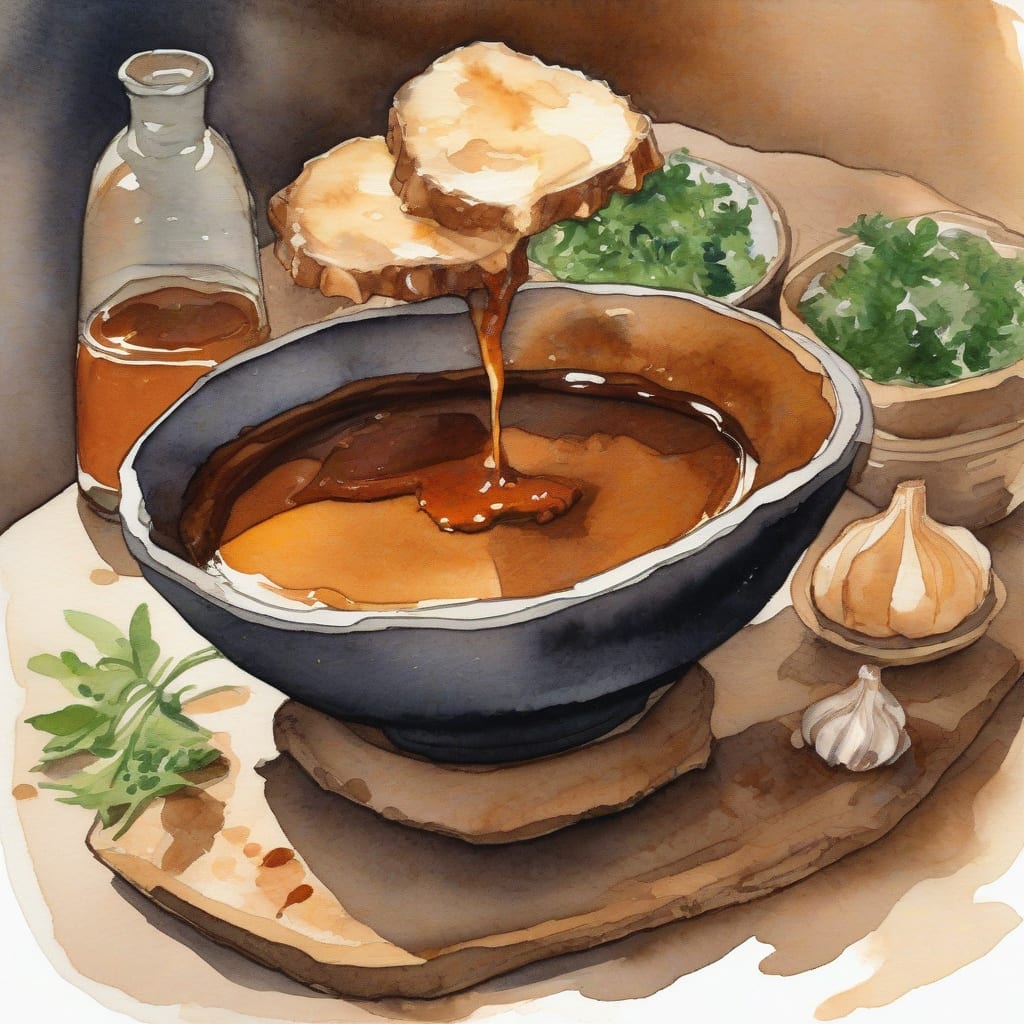
Imagine a sauce that elevates your grilling game with every brush and drizzle. This Japanese BBQ sauce is a perfect blend of savory and sweet, bursting with umami flavor that will transform any dish. I’ve crafted this recipe to deliver authentic taste with simple ingredients.
With just a few pantry staples, you can create a rich, flavorful condiment that’s perfect for marinating or serving as a dipping sauce. This recipe comes together quickly and can be stored in your fridge for weeks, ensuring you always have it on hand for your next cookout.
By the time you whip up this sauce, you’ll have a vibrant blend that enhances everything it touches. The balance of flavors is truly special, making it a must-have for your culinary repertoire. Let’s get started on making this delicious condiment!
Ingredients for Kinder’s japanese bbq sauce
Gather these flavorful ingredients to create a delicious Japanese-inspired BBQ sauce at home.
| Ingredient | Amount | Notes |
|---|---|---|
| Soy Sauce 🥢 | ¾ cup | Low sodium preferred for balance |
| Mirin 🍶 | ½ cup | Sweet rice wine for flavor |
| Brown Sugar 🍬 | ¼ cup | Packed for sweetness |
| Garlic Cloves 🧄 | 4 cloves | Minced for depth of flavor |
| Ginger Root 🍠 | 1 oz | Freshly grated for zest |
| Sesame Oil 🌰 | 1 tbsp | For nutty aroma and taste |
| Rice Vinegar 🍚 | 2 tbsp | Adds acidity and balance |
| Cornstarch 🌽 | 1 tbsp | For thickening the sauce |
| Water 💧 | ¼ cup | To adjust consistency as needed |
[recipe_ingredient_scaler]
Most of these ingredients can be found at your local grocery store, especially in the Asian aisle. For soy sauce, look for low-sodium options to control saltiness. Brands like Kikkoman or San-J offer quality choices. Mirin can be found in specialty stores or online, ensuring you select authentic varieties for the best flavor.
If you don't have mirin, you can substitute with a mixture of sake and sugar or use rice vinegar mixed with a bit of honey. For a gluten-free version, opt for tamari instead of soy sauce. Fresh ginger is preferable, but ground ginger can be used in a pinch—just reduce the amount to avoid overpowering the sauce.
Store your homemade BBQ sauce in an airtight container in the refrigerator for up to 2 weeks. It can also be frozen in small portions for longer storage—perfect for quick meals later. Always give it a good shake before using, as ingredients may settle over time.
Step-by-Step Instructions for Japanese BBQ Sauce
Let me guide you through making this umami-packed sauce, perfect for grilling and marinating.
👨🍳 Step 1: Prepare the Aromatics
Start by mincing the 4 cloves of garlic and grating the 1 oz of ginger root. I like to use a microplane for the ginger as it gives a finer texture and releases more flavor. The combination of garlic and ginger will form the aromatic base for your sauce, adding depth and zest.
Set these aside for now; they’ll be combined with the other ingredients shortly. The key here is to use fresh aromatics, as they provide a vibrant flavor that dried alternatives simply can’t match.
🥘 Step 2: Combine the Base Ingredients
In a medium saucepan over medium heat, combine 0.75 cup of soy sauce, 0.5 cup of mirin, 0.25 cup of brown sugar, and 1 tbsp of sesame oil. Stir these ingredients together until the brown sugar dissolves completely. This mixture creates the base of your sauce, balancing savory and sweet flavors.
As you heat this mixture, you’ll notice a delightful aroma filling your kitchen. Be careful not to let it boil; we want to keep the flavors intact without reducing too quickly.
🍳 Step 3: Add Aromatics and Vinegar
Once the sugar has dissolved, add in your minced garlic and grated ginger. Stir them into the mixture and cook for an additional 2-3 minutes, until fragrant. You’ll want to watch closely as the garlic can burn quickly if left unattended.
Next, pour in 2 tbsp of rice vinegar. This will add a touch of acidity that balances the sweetness from the brown sugar, enhancing the overall flavor profile. Keep stirring gently to ensure everything blends well.
🔪 Step 4: Thicken the Sauce
In a small bowl, mix 1 tbsp of cornstarch with 0.25 cup of water until smooth. Once the sauce has simmered for about 5 minutes, add this cornstarch slurry to the saucepan while stirring continuously. This will help thicken your sauce to a nice, glossy consistency.
Continue to cook for another 2-3 minutes. You’ll know it’s ready when it coats the back of a spoon. This thickness is perfect for glazing meats or using as a dipping sauce!
⏰ Step 5: Cool and Store
Once thickened, remove the sauce from heat and let it cool slightly. Transfer it to a clean jar or container. Allow it to cool completely before sealing. This sauce can be stored in the refrigerator for up to two weeks, making it perfect for meal prep.
When ready to use, simply shake or stir to recombine, as some separation may occur. Enjoy this versatile sauce on grilled meats or as a marinade for an extra burst of flavor!
Essential Tips for Storing and Using Japanese BBQ Sauce
Once you’ve crafted this delightful sauce, proper storage is key to keeping it fresh and flavorful. I recommend using a clean glass jar with a tight-fitting lid to maintain its quality. Make sure to let the sauce cool completely before sealing it up. This prevents condensation, which could dilute the flavor over time. 🥢
Your homemade Japanese BBQ sauce can be stored in the refrigerator for up to two weeks. When you’re ready to use it, give it a good shake or stir to mix any ingredients that may have settled. I’ve found that the flavors actually meld and improve after a day or two in the fridge, making it even more delicious! 🍶
If you want to keep your sauce for longer, consider freezing it in small portions using ice cube trays. Once frozen, transfer the cubes to a freezer-safe bag. This way, you can easily grab a cube whenever you need a burst of flavor without defrosting the entire batch. Just remember to label your bag with the date! 🍬
Nutrition Facts
120kcal

Trained in classic French technique but raised on slow-cooked ribs and spicy rubs, she blends culinary skill with smoke and soul.
- Recipe for Boneless Pork Chops in Cast Iron Skillet: Sear and Baste to Juicy Perfection - October 3, 2026
- Recipe for Boneless Cross Rib Roast: Slow-Roasted Beef with Herb Crust - October 3, 2026
- Hamburgers in Sauce Recipe Crock Pot: Slow-Cooked Savory Delight - October 3, 2026