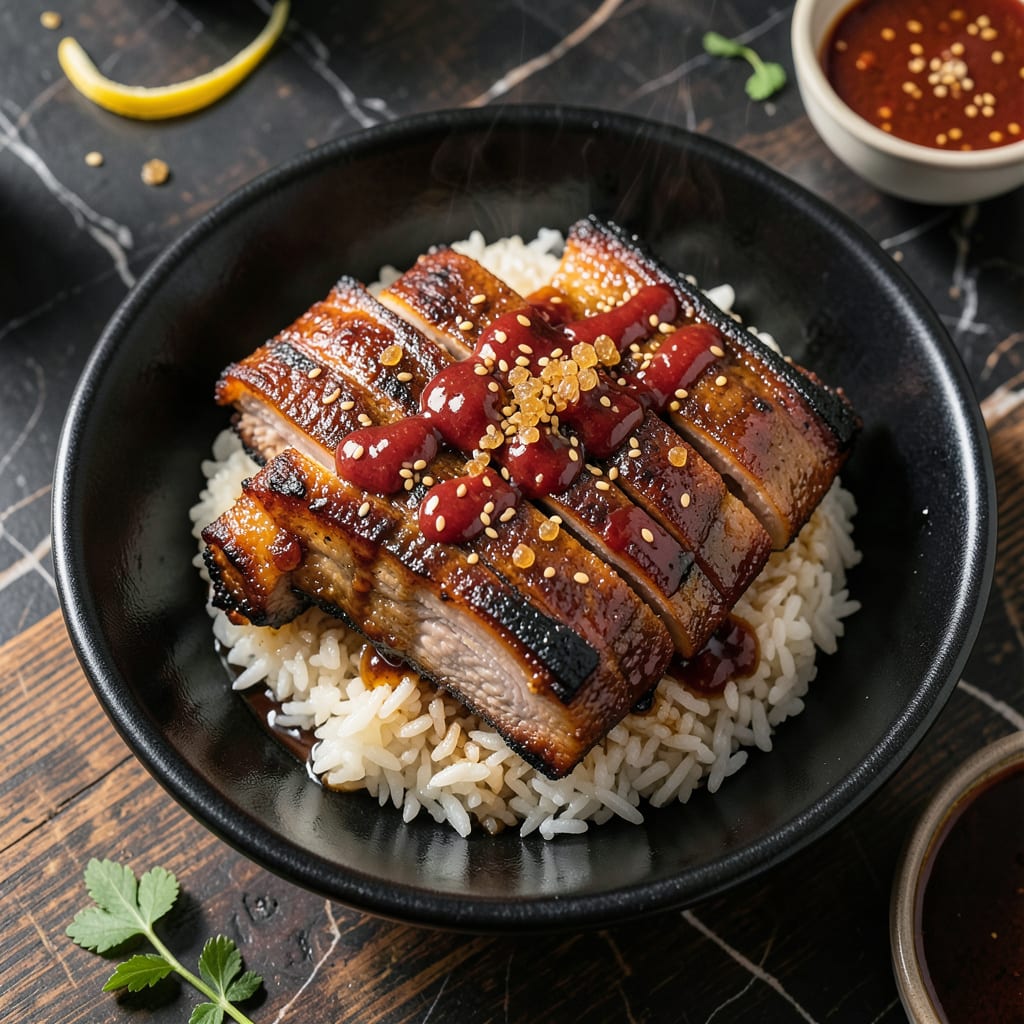
These ribs deliver the bold, sticky-sweet flavors of Korean BBQ with a smoky depth from the grill. My pitmaster training meets traditional technique in this foolproof method.
Marinated in a gochujang-based sauce, the pork develops charred edges while staying tender. The glaze caramelizes beautifully, creating that signature Korean BBQ finish.
Ingredients for Korean Bbq Pork Ribs
These bold ingredients create that signature sticky-sweet Korean BBQ flavor with charred edges.
| Ingredient | Amount | Notes |
|---|---|---|
| Pork Baby Back Ribs 🥩 | 2 lb | Full rack, membrane removed |
| Gochujang 🌶️ | ½ cup | Korean red pepper paste |
| Soy Sauce 🫒 | ½ cup | Low-sodium preferred |
| Brown Sugar 🍚 | ½ cup | Packed, for caramelization |
| Honey 🍯 | ¼ cup | For natural sweetness |
| Sesame Oil 🫒 | 2 tbsp | Toasted variety preferred |
| Rice Vinegar 💧 | 3 tbsp | For acidity balance |
| Garlic Cloves 🧄 | 6 cloves | Minced for marinade |
| Fresh Ginger 🌿 | 2 tbsp | Peeled and grated |
| Green Onions 🧅 | 4 whole | Thinly sliced, for garnish |
| Sesame Seeds 🌾 | 2 tbsp | Toasted, for garnish |
| Black Pepper 🌶️ | 1 tsp | Freshly ground preferred |
| Kosher Salt 🧂 | 1 tbsp | For seasoning ribs |
| Vegetable Oil 🫒 | 1 tbsp | For brushing grill |
[recipe_ingredient_scaler]
The pork ribs are the foundation. Baby back ribs offer the best meat-to-bone ratio for this preparation. Source from a reputable butcher or high-turnover grocery store to ensure freshness. Look for ribs with good marbling—the fat renders beautifully during cooking. Korean markets often carry pre-trimmed racks, saving prep time. The gochujang is non-negotiable; H Mart or Korean grocery stores stock authentic brands like Sempio or Chongga.
No gochujang? Miso paste plus sriracha (2:1 ratio) can approximate the flavor, though the depth won’t be identical. Soy sauce can be tamari for gluten-free. Brown sugar substitutes include coconut sugar or maple syrup, but adjust the glaze consistency. The honey can be agave nectar for vegan adaptation. Fresh ginger is ideal, but ground ginger at half the amount works in a pinch.
Marinated ribs keep 2 days refrigerated, but cook within 24 hours for optimal texture. The sauce can be made 1 week ahead. Leftovers reheat well, though the charred edges may soften. Freeze cooked ribs for up to 3 months in airtight containers.
Why You’ll Love This Recipe
- Set It and Forget: I toss the ribs with the gochujang, soy, and honey glaze, then let the oven do the work—no babysitting required.
- Sweet & Spicy Magic: The gochujang and brown sugar caramelize into this sticky, finger-licking crust that’s honestly hard to resist.
- Crowd-Pleasing Star: Between us, I’ve served these at Sunday dinner and casual backyard hangs—everyone asks for the recipe.
- Leftovers? Even Better: The ribs taste just as good the next day, shredded into fried rice or stuffed in a sandwich. Zero waste.
Step-by-Step Instructions for Korean BBQ Pork Ribs
Master the technique for achieving caramelized edges and fall-off-the-bone tenderness with this method.
Step 1: Prepare and Season the Ribs
Pat the 2 lb pork baby back ribs dry with paper towels to ensure maximum caramelization. Remove the membrane from the bone side by sliding a butter knife underneath, then pulling it off with a paper towel for grip.
Rub the ribs evenly with 1 tbsp kosher salt and 1 tsp black pepper on all sides. This dry seasoning creates a flavor foundation that enhances the glaze. Let the ribs sit at room temperature for 30 minutes while you prepare the marinade.
Step 2: Create the Korean BBQ Glaze
In a bowl, whisk together 0.5 cup gochujang, 0.5 cup soy sauce, 0.5 cup brown sugar, 0.25 cup honey, 2 tbsp sesame oil, and 3 tbsp rice vinegar until smooth. The brown sugar should dissolve completely into the liquid ingredients.
Add 6 cloves minced garlic and 2 tbsp grated fresh ginger to the glaze. Stir well to distribute the aromatics evenly. This combination of sweet, spicy, and umami elements creates the signature Korean BBQ flavor profile. The glaze should be thick but pourable.
Step 3: Marinate and Grill the Ribs
Place the ribs in a large resealable bag or shallow dish and pour half of the glaze over them. Turn to coat evenly, ensuring every surface is covered. Marinate for at least 2 hours (or overnight for maximum flavor penetration). Reserve the remaining glaze for basting.
Preheat your grill to medium-high heat and brush the grates with 1 tbsp vegetable oil. Remove the ribs from the marinade and place them bone-side down on the grill. Cook for 5-6 minutes until you see char marks forming.
Step 4: Finish with Glaze and Garnish
Flip the ribs and brush generously with the reserved glaze. Continue grilling for another 5-6 minutes, basting frequently with more glaze. The ribs are done when the meat pulls back from the bones and the glaze has caramelized into a sticky coating.
Transfer the ribs to a cutting board and let them rest for 5 minutes. Slice between the bones and arrange on a platter. Garnish with 4 whole thinly sliced green onions and 2 tbsp toasted sesame seeds for color and crunch. Serve immediately while the glaze is still glossy.
Pro Tips For Making Korean Bbq Pork Ribs
- Parboil the Ribs: Simmer the ribs in water for 20-25 minutes before marinating to remove excess fat and help the gochujang-soy glaze cling better—I learned this the hard way after my first few batches turned out greasy.
- Balance the Sweetness: Cut the brown sugar to 2 tablespoons if your gochujang is already sweet, or the ribs will taste like candy rather than savory-spicy Korean BBQ.
- Don’t Rush the Marinade: Give the ribs at least 4 hours in the gochujang-honey mix, or overnight if you can swing it—any less and the flavor won’t penetrate past the surface.
- Use Low and Slow: After grilling, wrap the ribs in foil with a splash of water and finish at 300°F for 30 minutes to guarantee fall-off-the-bone tenderness without drying out the meat.
Serving Suggestions for Leftovers
Plating Presentation
Arrange the sliced ribs on a large wooden board or platter, overlapping slightly for that rustic BBQ look. Drizzle any remaining glaze from the grill over the top. The natural wood grain of a cutting board enhances the visual appeal and complements the dish’s smoky flavors.
Fresh Garnishes
Sprinkle 2 tbsp toasted sesame seeds and 4 thinly sliced green onions generously over the ribs. The vibrant green pops against the deep caramel color. I often add a handful of fresh cilantro for an extra herbaceous note. 🌿
Traditional Sides
Serve with steamed white rice to soak up the extra glaze—about ½ cup per person. Kimchi on the side adds the perfect tangy contrast. Pickled radish slices provide a refreshing crunch that cuts through the richness.
Interactive Dining
For a true Korean BBQ experience, serve the ribs family-style with lettuce leaves for wrapping. Provide small bowls of ssamjang (spicy dipping sauce) if available. Guests love building their own bites with rice, ribs, and garnishes.
Beverage Pairings
Cold Korean beers like Hite or OB complement the spicy-sweet flavors perfectly. For non-alcoholic options, try sikhye (sweet rice drink) or icy barley tea. The effervescence cleanses the palate between bites. 🍺
Finishing Touches
Place a small ramekin of extra glaze on the side for dipping. Add a sprinkle of flaky sea salt right before serving to elevate all the flavors. Warm tortillas can also work for a fusion twist if you’re out of lettuce.
Nutrition Facts

Trained in classic French technique but raised on slow-cooked ribs and spicy rubs, she blends culinary skill with smoke and soul.
- Recipe for Boneless Pork Chops in Cast Iron Skillet: Sear and Baste to Juicy Perfection - October 3, 2026
- Recipe for Boneless Cross Rib Roast: Slow-Roasted Beef with Herb Crust - October 3, 2026
- Hamburgers in Sauce Recipe Crock Pot: Slow-Cooked Savory Delight - October 3, 2026