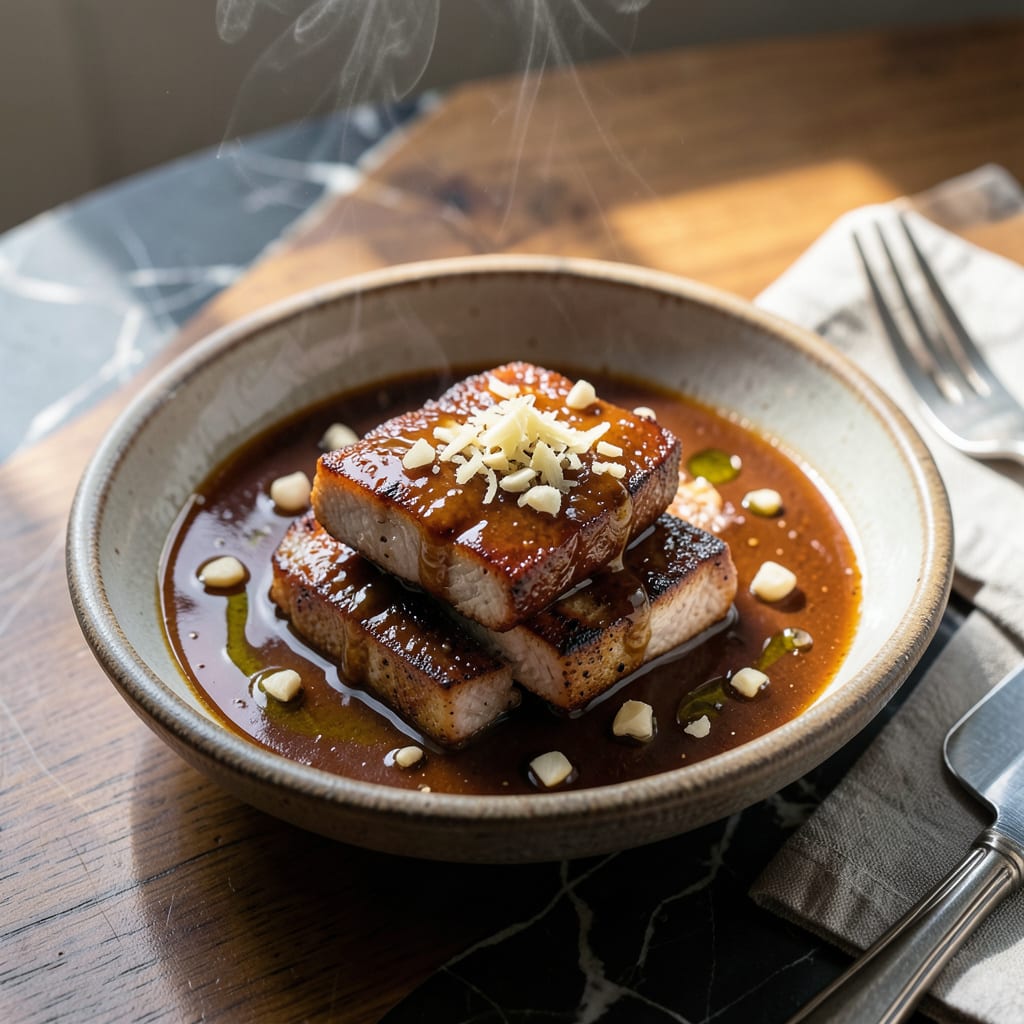
This sauce brings the bold, complex flavors of Korean BBQ to your kitchen. Gochujang provides the deep, fermented heat that defines authentic spicy-sweet profiles.
Use it as a marinade, glaze, or dipping sauce. It keeps for 2 weeks refrigerated, so make extra for future meals.
Ingredients for Korean Bbq Sauce Recipe Gochujang
Bold fermented depth meets spicy-sweet balance in this versatile sauce.
| Ingredient | Amount | Notes |
|---|---|---|
| Gochujang 🌶️ | ½ cup | Korean fermented chili paste |
| Soy Sauce 🫒 | ¼ cup | Low-sodium or tamari for gluten-free |
| Brown Sugar 🍚 | 3 tbsp | Or substitute coconut sugar |
| Rice Vinegar 🍶 | 2 tbsp | Mild and slightly sweet |
| Sesame Oil 🫒 | 1 tbsp | Toasted for nutty aroma |
| Garlic Cloves 🧄 | 4 cloves | Minced for pungent kick |
| Fresh Ginger 🌿 | 1 tbsp | Peeled and grated |
| Honey 🍯 | 2 tbsp | Use agave for vegan option |
| Toasted Sesame Seeds 🌰 | 1 tbsp | For garnish and texture |
| Green Onions 🧅 | 2 whole | Thinly sliced for freshness |
[recipe_ingredient_scaler]
Gochujang is non-negotiable here—look for Sempio or Kochukaru brands at H Mart or Korean markets. The fermented depth comes from aged chili paste, so avoid fresh or unfermented substitutes. Soy sauce should be Kikkoman or Pearl River Bridge for consistent quality. Brown sugar adds caramel notes, but coconut sugar works if you’re avoiding refined sugar.
No gochujang? Miso plus sriracha gets you partway there (but not the same). Out of rice vinegar? Apple cider vinegar at half the amount works. Fresh ginger is ideal, but ground ginger at one-third the quantity in a pinch. For the honey, agave or maple syrup keeps it vegan. The sesame oil must be toasted—raw tastes flat.
Keeps 2 weeks in the fridge in an airtight container. The flavors deepen over time, so make extra. Freeze portions for 3 months if you won’t use it fast (thaw before using). Stir well before each use—the ingredients settle.
Why You’ll Love This Recipe
- 5-Minute Magic: I just dump all five ingredients in a bowl and whisk—no chopping, no simmering, done before the rice cooker beeps.
- Sweet Heat Balance: The gochujang brings the fire, but the brown sugar and rice vinegar smooth it into this sticky, tangy glaze I could drink with a spoon.
- Marinade or Dip: I slather it on chicken thighs for grilling, then use the leftovers as a dipping sauce for dumplings the next day.
- Pantry Stretch: A jar of gochujang and a few staples I always have make this sauce, so I’m never stuck with bland leftovers.
Step-by-Step Instructions for Korean BBQ Sauce with Gochujang
Here’s my tested method for balancing spicy, sweet, and umami flavors perfectly.
Step 1: Bloom the Aromatics
In a medium saucepan over medium heat, combine the 0.5 cup Gochujang, 0.25 cup Soy Sauce, 3 tbsp Brown Sugar, 2 tbsp Rice Vinegar, and 1 tbsp Sesame Oil. Stir as the mixture warms, watching for the sugar to dissolve completely.
You’ll notice the sauce darken slightly and thicken as the sugars melt. This step takes about 2-3 minutes—don’t rush it. The goal is to create a smooth, glossy base before adding the fresh ingredients.
Step 2: Incorporate Fresh Flavors
Add the 4 cloves Garlic Cloves (minced) and 1 tbsp Fresh Ginger (grated) to the saucepan. Stir constantly for 1-2 minutes until the garlic becomes fragrant but hasn’t browned. The ginger will mellow slightly as it cooks, blending seamlessly into the sauce.
Here’s the thing—burnt garlic tastes bitter and can ruin the whole batch. Keep the heat at medium and stay attentive. You want the aromatics to infuse the sauce without overcooking.
Step 3: Sweeten and Finish
Pour in the 2 tbsp Honey and stir well to combine. Let the sauce simmer for 3-5 minutes until it reaches your desired consistency. It should coat the back of a spoon but still be pourable.
The honey adds a floral sweetness that balances the heat from the gochujang. As it simmers, the sauce will develop a deeper, more complex flavor profile.
Step 4: Garnish and Rest
Remove the sauce from heat and stir in the 1 tbsp Toasted Sesame Seeds. Let it cool for 10 minutes before finishing with the 2 whole Green Onions (thinly sliced). The sesame seeds add a nutty crunch, while the green onions bring a fresh, bright contrast.
Real talk: this sauce tastes even better after sitting for an hour. The flavors meld together, and the heat from the gochujang mellows just enough to let all the other elements shine.
Pro Tips For Making Korean Bbq Sauce Recipe Gochujang
- Bloom the Gochujang: Cook the gochujang in a little sesame oil for 1-2 minutes before adding liquids—this deepens its flavor and removes the raw edge. I learned this the hard way after my first batch tasted flat.
- Balance the Sweetness: Taste as you go with the brown sugar; some gochujang brands are sweeter than others. I usually start with half the sugar, adjust, and end up using about 3 tablespoons for 1/2 cup gochujang.
- Skip the Boiling: Simmer gently, don’t boil, or the vinegar and sugar will turn syrupy and bitter. Keep it at a lazy bubble—after burning two batches, I finally got the hang of it.
- Rest Before Using: Let the sauce sit for 10-15 minutes after cooking so the flavors meld. Sounds weird, but it works: the difference between fresh-off-the-stove and rested sauce is noticeable.
Common Mistakes When Making korean bbq sauce recipe gochujang
Overheating the Sauce
Never let this sauce reach a rolling boil. The sugars in 0.5 cup Gochujang and 3 tbsp Brown Sugar will burn at high heat, turning bitter. Keep it at a gentle simmer on medium-low and stir frequently. I learned this the hard way at my first local BBQ competition. 🔥
Skipping the Bloom
Always cook the 4 cloves Garlic and 1 tbsp Fresh Ginger in the sauce base first. Adding them raw means their sharp flavors won’t mellow, leaving an harsh aftertaste. A 1-2 minute bloom makes all the difference.
Wrong Vinegar Choice
Using white vinegar instead of 2 tbsp Rice Vinegar throws off the balance. Its sharp acidity overpowers the delicate fermented notes of gochujang. Rice vinegar’s mild sweetness complements the other ingredients perfectly.
Under-Sweetening
Don’t skimp on the 2 tbsp Honey. The sauce needs this to balance gochujang’s heat and soy sauce’s saltiness. Taste as you go—if it’s too spicy or salty, a touch more honey will bring it into harmony.
Premature Garnishing
Adding 1 tbsp Toasted Sesame Seeds or 2 Green Onions while the sauce is still hot dulls their freshness. Wait until it cools slightly, so their bright flavors and textures stay vibrant. 💡
Storage Shortcuts
Avoid storing in metal containers—the acidity in Rice Vinegar can react. Use glass jars instead. Always let the sauce cool completely before refrigerating to prevent condensation, which can dilute the flavors.
Nutrition Facts

Trained in classic French technique but raised on slow-cooked ribs and spicy rubs, she blends culinary skill with smoke and soul.
- Recipe for Boneless Pork Chops in Cast Iron Skillet: Sear and Baste to Juicy Perfection - October 3, 2026
- Recipe for Boneless Cross Rib Roast: Slow-Roasted Beef with Herb Crust - October 3, 2026
- Hamburgers in Sauce Recipe Crock Pot: Slow-Cooked Savory Delight - October 3, 2026