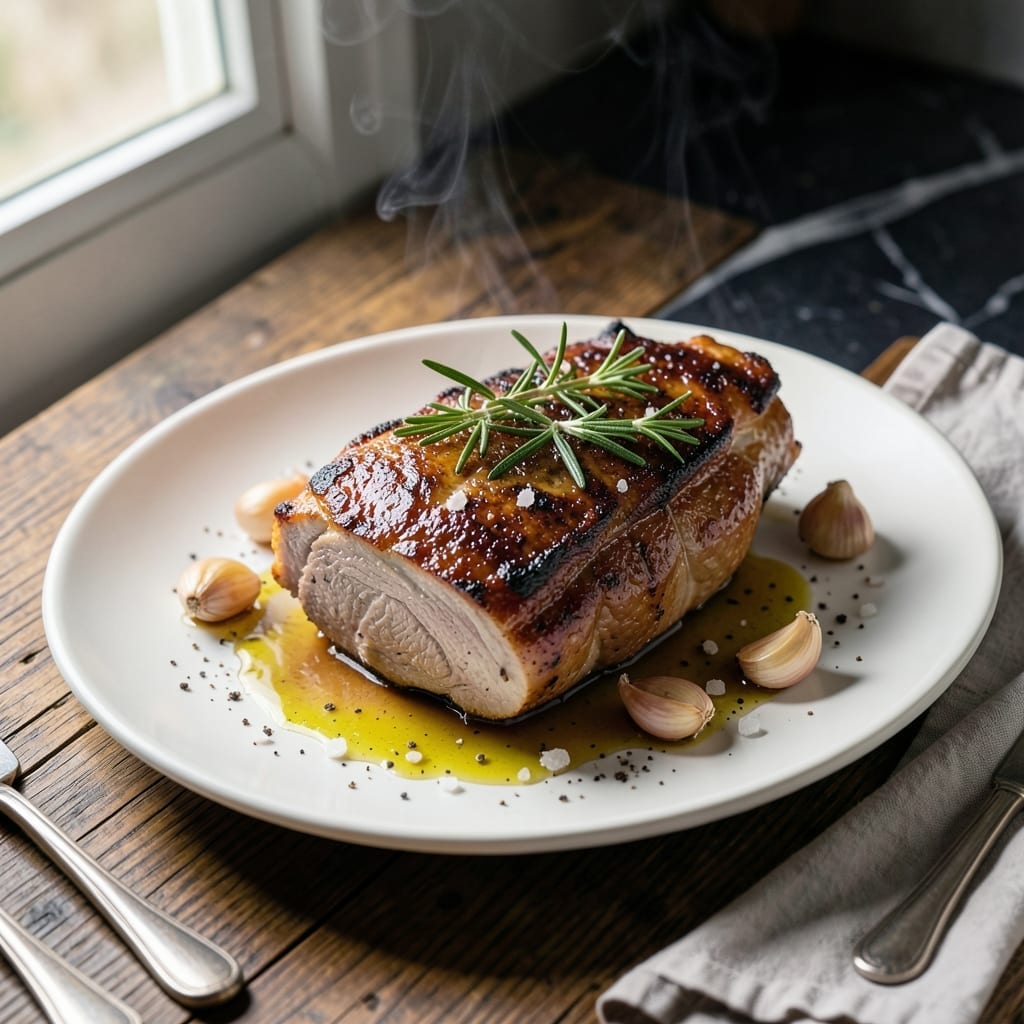
Slow-roasting lamb breast transforms this often-overlooked cut into a tender, flavorful masterpiece. I developed this method after discovering how its rich marbling and connective tissue break down beautifully over low, steady heat.
The process is deceptively simple: a long, gentle roast at 275°F allows the meat to become fork-tender while developing deep, complex flavors. A rub of garlic, rosemary, and salt enhances without overpowering the natural taste of the lamb.
What emerges is meat that falls apart at the touch, with a caramelized exterior and juices that pool on the cutting board. The slow roast coaxes out every bit of umami, making each bite intensely satisfying.
Serve with roasted root vegetables to soak up the pan juices. This technique turns an affordable cut into a dish worthy of any special occasion.
Ingredients for Lamb Breast Recipe Slow Roast
Rich, marbled lamb breast plus aromatic herbs and vegetables create unforgettable depth of flavor.
| Ingredient | Amount | Notes |
|---|---|---|
| Bone-In Lamb Breast 🐑 | 3 lb | Trimmed of excess fat |
| Garlic Cloves 🧄 | 8 cloves | Minced into a paste |
| Fresh Rosemary Sprigs 🌿 | 4 whole | Finely chopped, stems discarded |
| Coarse Sea Salt 🧂 | 1 ½ tbsp | Diamond Crystal preferred |
| Freshly Ground Black Pepper 🌶️ | 1 tbsp | Coarsely ground for texture |
| Extra-Virgin Olive Oil 🫒 | 2 tbsp | High-quality, fruity notes |
| Red Wine Vinegar 🍷 | 1 tbsp | For acidity balance |
| Carrots 🥕 | 4 whole | Large, cut into chunks |
| Yellow Onions 🧅 | 2 whole | Quartered, skin on |
| Celery Stalks 🥬 | 3 whole | Cut into 3-inch pieces |
| Low-Sodium Chicken Stock 🥣 | 1 cup | For braising liquid |
| Dry White Wine 🍷 | ½ cup | Sauvignon Blanc or Pinot Grigio |
| Bay Leaf 🍃 | 2 whole | Dried, whole leaves |
[recipe_ingredient_scaler]
The lamb breast is the star—source it from a reputable butcher like Whole Foods or a local farm for the best marbling. Look for pieces with even fat distribution and a deep red color (not brown or gray). Bone-in provides superior flavor, though boneless works in a pinch. The rosemary should be fresh, with vibrant green needles. Dried simply won’t deliver the same aromatic punch for this slow roast.
No lamb breast? Beef short ribs offer a similar texture, though the flavor profile differs. Short on rosemary? Fresh thyme at equal volume works well. For the wine, any dry white will do—skip the cooking wine (too salty). If avoiding alcohol, additional stock with a splash of lemon juice mimics the acidity. The vinegar can be substituted with apple cider vinegar if needed.
The lamb can marinate with the rub overnight (enhances flavor penetration), but even 30 minutes makes a difference. Leftovers keep in the fridge for 4-5 days or freeze for 3 months. Reheat gently in the braising liquid to prevent drying out.
Why You’ll Love This Recipe
- Hands-Off Cooking: I just rub the lamb with garlic, rosemary, salt, and pepper, then let the oven do the work for hours.
- Feeds a Crowd: This bone-in cut is big enough for Sunday dinner with family, or I can stretch the leftovers into sandwiches or tacos.
- Budget-Friendly Luxury: Honestly, lamb breast costs a fraction of leg or rack, but still delivers that rich, impressive flavor.
Step-by-Step Instructions for Lamb Breast Slow Roast
This method ensures tender, fall-off-the-bone meat with deep, complex flavors developed through slow cooking.
Step 1: Prepare and Season the Lamb Breast
Begin by patting the 3 lb bone-in lamb breast completely dry with paper towels. This step is crucial for achieving a proper sear and preventing the meat from steaming in its own moisture during roasting.
In a small bowl, combine the 1.5 tbsp coarse sea salt, 1 tbsp freshly ground black pepper, 8 cloves garlic cloves (minced into a paste), and 4 whole fresh rosemary sprigs (finely chopped). Add the 2 tbsp extra-virgin olive oil and 1 tbsp red wine vinegar to create a paste. Rub this mixture all over the lamb, ensuring it’s evenly coated on all sides. This marinade will penetrate the meat, enhancing its natural flavors during the slow cooking process.
Step 2: Sear and Build the Braising Liquid
Preheat your oven to 325°F. Heat a large Dutch oven or heavy-bottomed pot over medium-high heat. Once hot, sear the lamb on all sides until deeply browned, about 3-4 minutes per side. This creates a flavorful fond that will enrich your braising liquid. Remove the lamb and set it aside.
In the same pot, add the 4 whole carrots (cut into chunks), 2 whole yellow onions (quartered, skin on), and 3 whole celery stalks (cut into 3-inch pieces). Cook for 5 minutes, stirring occasionally, until the vegetables begin to soften and develop color. Deglaze with the 0.5 cup dry white wine, scraping up all the browned bits from the bottom of the pot. Add the 1 cup low-sodium chicken stock and 2 whole bay leaf, then return the lamb to the pot.
Step 3: Slow Roast to Perfection
Cover the pot tightly with a lid and transfer it to the preheated oven. Slow roast for 2.5 to 3 hours, or until the lamb is fork-tender and easily pulls away from the bone. The low and slow cooking method breaks down the connective tissues, resulting in melt-in-your-mouth tenderness.
Check the lamb occasionally during cooking. If the liquid level drops too low, add a bit more chicken stock to keep the lamb partially submerged. You’ll know it’s done when a fork inserts into the thickest part with no resistance. The meat should be so tender that it nearly falls apart at the touch.
Step 4: Rest and Serve
Carefully remove the lamb from the pot and transfer it to a cutting board. Let it rest for 15-20 minutes before slicing. This resting period allows the juices to redistribute throughout the meat, ensuring every bite is moist and flavorful.
While the lamb rests, skim any excess fat from the surface of the braising liquid and discard the bay leaves. You can serve the vegetables and liquid as a rustic sauce alongside the lamb or reduce it further on the stovetop for a more concentrated flavor. Slice the lamb against the grain and serve with the sauce spooned over the top.
Pro Tips For Making Lamb Breast Recipe Slow Roast
- Score the Fat: Cut deep crosshatches into the fat cap—about 1/2 inch apart—so the rosemary and garlic can penetrate while the fat renders down slowly.
- Start Low, Go Slow: Set your oven to 275°F (135°C) and give it 3-4 hours; I learned this the hard way after drying out two lamb breasts at higher temps.
- Dry the Meat First: Pat the lamb breast thoroughly with paper towels before seasoning—sounds obvious, but I skipped this once and the salt never stuck properly.
- Rest Before Carving: Tent it with foil and let it sit 15 minutes after roasting; it’ll hold together better when you slice, and the juices won’t all end up on the cutting board.
Make-Ahead Tips for This Dish
Overnight Marinating
For maximum flavor penetration, let the lamb breast marinate with the garlic-rosemary rub overnight in the fridge. I use a gallon-sized zip-top bag to ensure the marinade coats every surface. Even 2-3 hours makes a noticeable difference if you’re short on time.
Prep Vegetables Early
Chop all your carrots, onions, and celery the night before and store them in airtight containers in the fridge. This saves 15-20 minutes on cooking day. I learned this trick in my tiny Boston kitchen where counter space was precious.
Braise Liquid Prep
Mix your 0.5 cup dry white wine and 1 cup chicken stock in advance and keep it in the fridge. The flavors meld better when given time. I often use Sauvignon Blanc from my local Boston neighborhood market for this. 💡
Slow Cooker Adaptation
If using a slow cooker, sear the lamb first, then transfer everything to the cooker. Cook on low for 6-7 hours or high for 4-5 hours. This method works perfectly for busy days when oven space is limited.
Make-Ahead Sauce
The braising liquid actually improves overnight. After cooking, strain and refrigerate the liquid, then skim off the fat before reheating. The flavors deepen and concentrate, making your dish taste even better the next day.
Reheating Tips
Gently reheat in the braising liquid on the stovetop over low heat for 15-20 minutes. This prevents drying out and maintains the tender texture. I’ve found this works better than microwaving for this cut. ❄️
Nutrition Facts
Frequently Asked Questions
What’s the ideal internal temperature for slow-roasted lamb breast?
Aim for 195-203°F internal temperature. At this range, collagen breaks down completely, making the meat fork-tender. Use a meat thermometer for accuracy.
Can I use a boneless lamb breast instead?
Yes, but reduce cooking time by 30-45 minutes since boneless cooks faster. Bone-in adds flavor and helps maintain moisture during the long roast.
How do I prevent the meat from drying out?
Keep the lamb partially submerged in liquid and check every 45 minutes. Add more stock if needed. The key is maintaining that gentle, moist environment.
What if my lamb isn’t tender after the suggested time?
Continue cooking in 30-minute increments until fork-tender. Older animals may need extra time. The meat won’t dry out as long as it’s in liquid.

Trained in classic French technique but raised on slow-cooked ribs and spicy rubs, she blends culinary skill with smoke and soul.
- Recipe for Boneless Pork Chops in Cast Iron Skillet: Sear and Baste to Juicy Perfection - October 3, 2026
- Recipe for Boneless Cross Rib Roast: Slow-Roasted Beef with Herb Crust - October 3, 2026
- Hamburgers in Sauce Recipe Crock Pot: Slow-Cooked Savory Delight - October 3, 2026