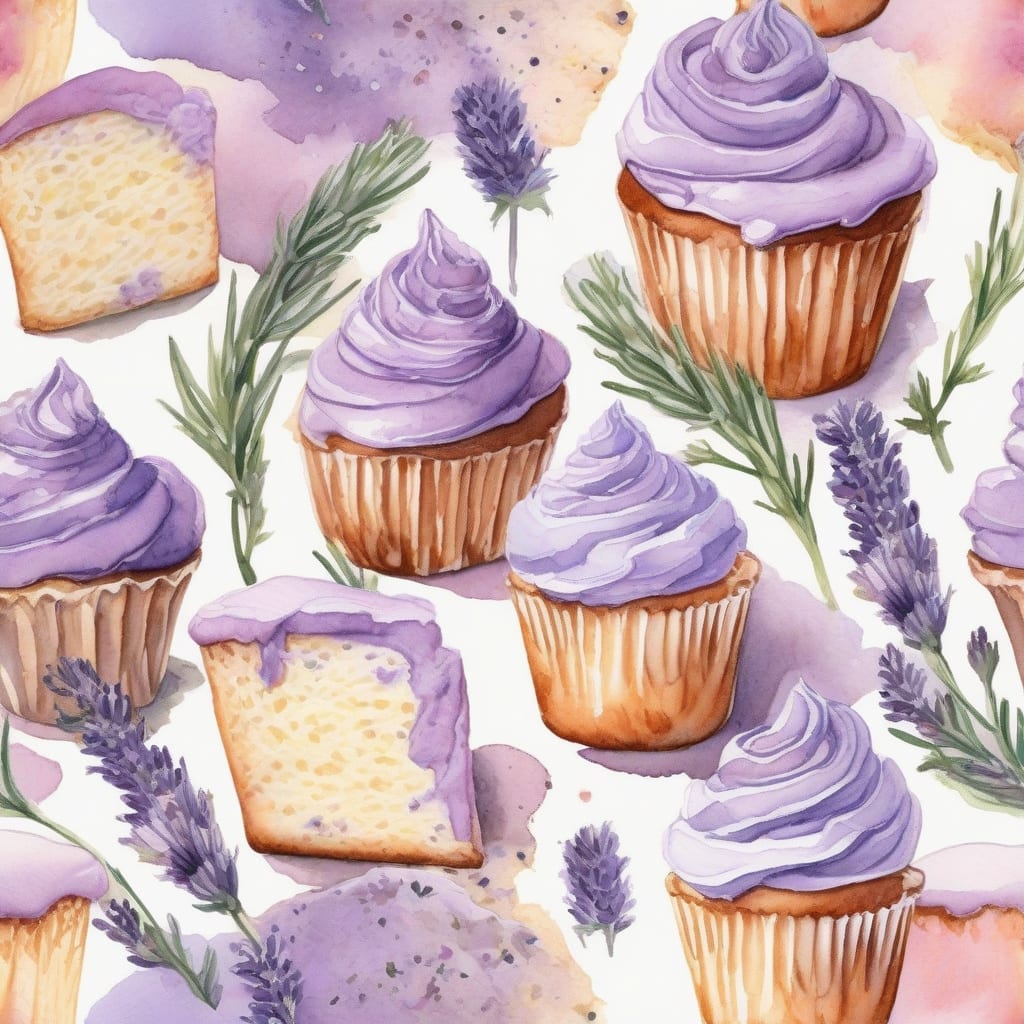
I’ve perfected a lavender frosting recipe that adds soothing sweetness to any dessert. 💛 This versatile frosting is made with simple ingredients and can be adjusted to achieve your desired consistency and flavor intensity. The subtle floral notes of lavender create a unique and sophisticated taste experience.
The key to making great lavender frosting is using high-quality ingredients and controlling the amount of lavender flavor. I use real dried lavender buds for the most authentic taste, steeping them in cream to release their delicate flavor and aroma. This method ensures a smooth, creamy frosting.
With this recipe, you’ll be able to create beautifully decorated desserts that are both visually stunning and delicious. The frosting holds its shape well, making it perfect for piping borders, flowers, or other decorative elements. Let’s get started on making this lovely lavender frosting!
Ingredients for lavender frosting
Here’s everything you need to create this beautiful lavender frosting for your desserts.
| Ingredient | Amount | Notes |
|---|---|---|
| Unsalted Butter 🧈 | 1 cup | Softened to room temperature |
| Powdered Sugar 🍮 | 2 cups | Sifted to remove lumps |
| Heavy Cream 🥛 | 2 tbsp | Chilled, for whipping |
| Dried Lavender Buds 💜 | 1 tbsp | High-quality, culinary grade |
| Vanilla Extract 🌿 | ½ tsp | Pure, not imitation |
| Salt 🧂 | ¼ tsp | Fine, kosher salt |
| Food Coloring 🎨 | 1 dash | Purple, optional for color |
[recipe_ingredient_scaler]
You can find high-quality dried lavender buds at specialty food stores or online. Look for culinary grade lavender to ensure food safety. For the best results, use real unsalted butter and pure vanilla extract. Sift the powdered sugar before using to prevent lumps in your frosting.
If you prefer a stronger lavender flavor, you can increase the dried lavender buds to 1.5 tablespoons, but be cautious as too much can be overpowering. You can substitute the heavy cream with whole milk if needed, but keep in mind that the frosting may be less rich. For a different flavor, try substituting the lavender with another extract like almond or lemon.
Store any leftover frosting in an airtight container in the refrigerator for up to 3 days. Allow it to come to room temperature before re-whipping to restore its creamy texture. If the frosting becomes too thin, refrigerate it for about 10 minutes to firm it up before using.
Step-by-Step Instructions for Lavender Frosting
Let me guide you through creating this soothing lavender frosting, perfect for decorating your favorite desserts.
👨🍳 Step 1: Infuse the Cream with Lavender
Start by heating the 2 tablespoons heavy cream in a small saucepan over low heat until it begins to simmer. Remove from heat and add the 1 tablespoon dried lavender buds. Let it steep for 10-15 minutes until the mixture cools to room temperature. The longer it steeps, the stronger the lavender flavor will be. Strain the mixture through a fine-mesh sieve into a bowl, pressing on the solids to extract as much cream as possible. Discard the lavender buds.
This infusion process is crucial as it allows the lavender flavor to meld with the cream, creating a subtle yet distinct taste in your frosting. Be patient and let it steep fully for the best results.
👨🍳 Step 2: Prepare the Butter and Sugar
In a large mixing bowl, beat the 1 cup unsalted butter with an electric mixer on medium speed until it’s light and fluffy, about 2 minutes. Gradually add the 2 cups powdered sugar, beating well after each addition. The mixture will start to come together and become smooth.
Make sure your butter is at room temperature before you start, as this will help achieve a smooth and creamy texture. Sifting the powdered sugar beforehand removes any lumps, ensuring your frosting is silky.
🥘 Step 3: Combine the Lavender Cream and Butter Mixture
With the mixer on low speed, slowly pour in the infused lavender cream. Continue beating until fully incorporated, scraping down the sides of the bowl as needed. Add the 0.5 teaspoon vanilla extract and 0.25 teaspoon salt, mixing until combined.
If you desire a more vibrant purple color, add the 1 dash food coloring and mix until the color is evenly distributed. Be cautious with the amount of coloring, as a little goes a long way.
⏰ Step 4: Adjust Consistency and Flavor
Check the frosting’s consistency. If it’s too thick, add a little more heavy cream (start with 1 teaspoon at a time). If it’s too thin, add a bit more powdered sugar. Beat the frosting for an additional 2-3 minutes until it reaches your desired consistency and is smooth and creamy.
Taste the frosting and adjust the seasoning as needed. You can add more lavender by steeping additional lavender buds in a bit of cream, then mixing it in. This step allows you to fine-tune the flavor to your liking.
🍰 Step 5: Use and Store the Frosting
Your lavender frosting is now ready to use. It pairs beautifully with cakes, cupcakes, and cookies. If not using immediately, store it in an airtight container in the refrigerator for up to 3 days. Before using, let it come to room temperature and give it a good beat to restore its creamy texture.
When you’re ready to frost your desserts, this lavender frosting will provide a lovely, subtle floral flavor and a beautiful, smooth finish. Enjoy decorating and indulging in your creations!
Are you ready to elevate your desserts with a touch of floral elegance? 🌼 This lavender frosting recipe is a game-changer for anyone looking to add a soothing sweetness to their baked goods. The subtle, yet distinct flavor of lavender pairs perfectly with a variety of desserts, from classic vanilla cakes to decadent chocolate cupcakes.
🔪 Preparing the Lavender Syrup
To start, you’ll need to make a lavender syrup by combining 1 cup of granulated sugar, 1 cup of water, and 1/4 cup of dried lavender buds in a saucepan. Heat the mixture over medium heat, stirring until the sugar dissolves. Remove from heat and let it steep for about 10-15 minutes, allowing the lavender flavor to infuse into the syrup.
👨🍳 Making the Frosting
Once your lavender syrup is ready, strain it into a bowl and let it cool. In a separate bowl, beat 1 cup of unsalted butter until creamy. Gradually add 2 cups of powdered sugar, beating until smooth and creamy. Add 2-3 tablespoons of the cooled lavender syrup and 1 teaspoon of vanilla extract, mixing until well combined.
Some tips to keep in mind: 💡 You can adjust the amount of lavender syrup to your taste, depending on how strong you prefer the lavender flavor. Also, be sure to use high-quality, food-grade lavender buds for the best flavor.
- For a lighter lavender flavor, start with 1 tablespoon of lavender syrup and adjust to taste.
- To ensure the frosting is stable, use it at room temperature.
- Experiment with different flavor combinations, like adding a pinch of salt or a teaspoon of lemon zest to the frosting.
This lavender frosting recipe is perfect for topping cakes, cupcakes, or even using as a dip for fresh fruit. The possibilities are endless, and we’re excited to see how you choose to use it! 😊
Tips & Tricks for Perfect Lavender Frosting
These expert tips will help you create a beautifully balanced lavender frosting that elevates your desserts to the next level.
Lavender Infusion: When steeping lavender buds in Step 1, be patient and let it cool completely. The longer it steeps (up to 15 minutes), the stronger the lavender flavor will be. Strain thoroughly to remove all solids for a smooth frosting. 💡
Butter Preparation: In Step 2, make sure your butter is at room temperature before beating. This ensures a light, fluffy texture that’s crucial for a smooth frosting. Take the time to sift your powdered sugar to remove any lumps for the best results.
Color Control: When adding food coloring in Step 3, start with just a tiny dash and mix well. It’s easier to add more color than to remove excess. For a natural purple hue, mix a little blue and red food coloring instead of using purple.
Consistency Adjustment: In Step 4, adjust the frosting consistency gradually. Add heavy cream in small increments (about 1 teaspoon at a time) until you reach your desired spreadability. For piping, you may want a thicker consistency than for spreading.
Nutrition Facts
140kcal
[recipe_ingredient_scaler]

Trained in classic French technique but raised on slow-cooked ribs and spicy rubs, she blends culinary skill with smoke and soul.
- Recipe for Boneless Pork Chops in Cast Iron Skillet: Sear and Baste to Juicy Perfection - October 3, 2026
- Recipe for Boneless Cross Rib Roast: Slow-Roasted Beef with Herb Crust - October 3, 2026
- Hamburgers in Sauce Recipe Crock Pot: Slow-Cooked Savory Delight - October 3, 2026