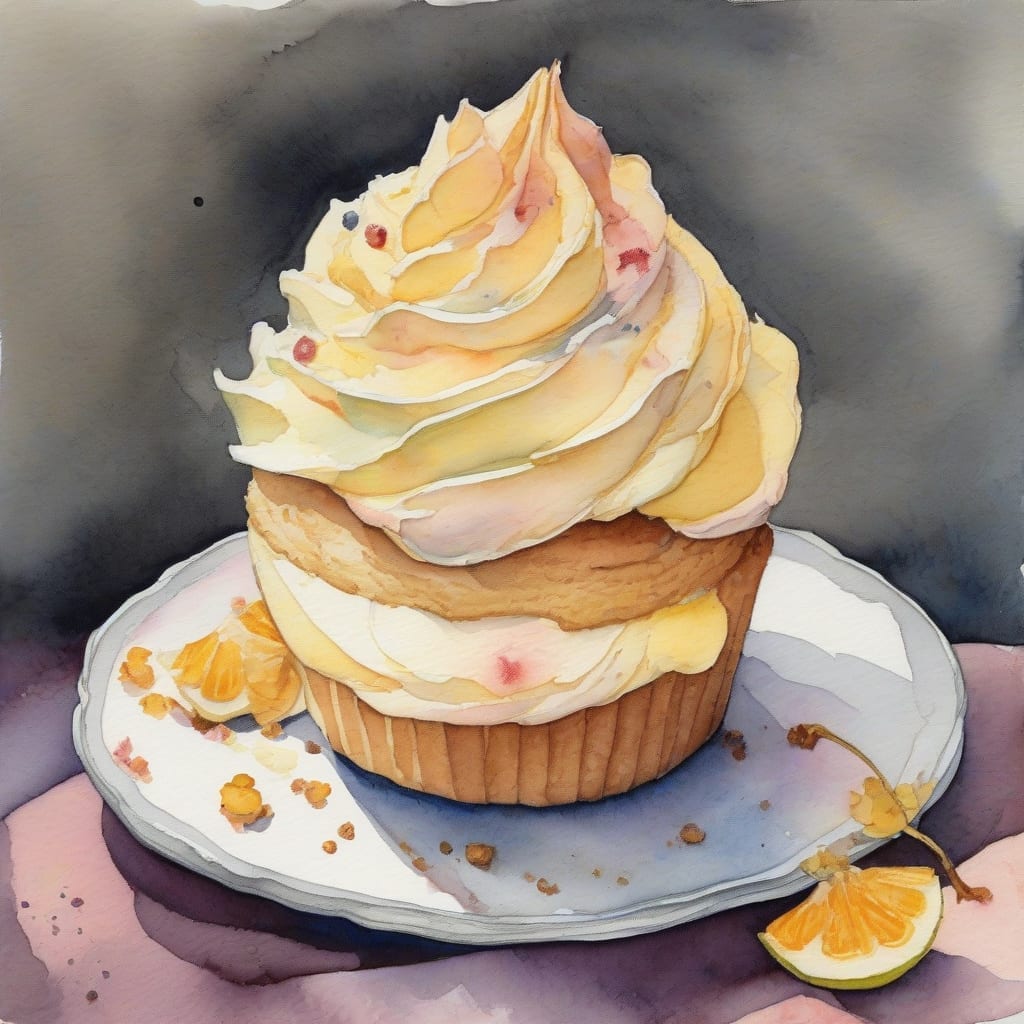
I’ve perfected the Wilton buttercream recipe after years of decorating cakes, and I’m excited to share it with you. ✨ This classic frosting is smooth, creamy, and incredibly versatile for any celebration cake.
The secret to achieving silky buttercream lies in the balance of ingredients and mixing technique. By using room temperature butter and gradually adding powdered sugar, you’ll create a stable frosting that’s both delicious and beautiful.
What makes this recipe stand out is its foolproof method and adaptability to different flavors. Whether you’re making a vanilla, chocolate, or strawberry buttercream, the process remains the same, allowing you to experiment with various extracts and colors.
Let’s get started and create the perfect buttercream for your next cake decorating project! With this recipe, you’ll achieve professional-looking results every time.
Ingredients for wilton class buttercream
Here’s everything you need to create the perfect Wilton buttercream frosting at home.
| Ingredient | Amount | Notes |
|---|---|---|
| Unsalted Butter 🧈 | 1 lb | Room temperature, softened |
| Powdered Sugar 🍮 | 2 ½ lbs | Sifted before measuring |
| Whole Milk 🥛 | ¼ cup | Room temperature |
| Vanilla Extract 🌿 | 1 tsp | Pure, not imitation |
| Salt 🧂 | ¼ tsp | Fine grain, optional |
| Food Coloring 🎨 | 1 dash | Gel or paste preferred |
[recipe_ingredient_scaler]
You can find high-quality powdered sugar at most grocery stores or baking supply stores. For the best results, use European-style butter like Kerrygold or Plugrá for its higher fat content. Whole milk at room temperature helps achieve the perfect consistency. If you're using food coloring, gel or paste works best as it doesn't thin the frosting.
If you need a different flavor, substitute vanilla extract with almond extract or other flavorings. For chocolate buttercream, add 6-8 ounces of melted and cooled high-quality chocolate (like Ghirardelli or Valrhona). You can also adjust the consistency by adding more milk or powdered sugar as needed. Always use room temperature ingredients for best results.
Store buttercream in an airtight container at room temperature for up to 3 days or refrigerate for up to 2 weeks. Before using, let refrigerated buttercream come to room temperature and re-whip until smooth. If it becomes too warm, briefly chill before re-whipping to restore texture.
Step-by-Step Instructions for Wilton Buttercream
Follow my detailed guide to create the perfect Wilton buttercream frosting that’s smooth, creamy, and ideal for decorating.
👨🍳 Step 1: Prepare the Butter and Sugar
Start by ensuring your 1 lb Unsalted Butter is at room temperature and softened. I like to take it out of the fridge 2 hours before starting. In a stand mixer fitted with the paddle attachment, beat the butter on medium speed for 2 minutes until it’s light and fluffy. You’ll notice it change from a dense block to a smooth, creamy consistency.
While the butter is creaming, sift your 2.5 lbs Powdered Sugar into a large bowl. Sifting removes any lumps and ensures your buttercream will be smooth. I use a fine-mesh sieve for this task as it handles large quantities well.
👨🍳 Step 2: Combine Butter and Sugar
With the mixer still running on medium speed, gradually add the sifted powdered sugar in 4-5 batches. After each addition, stop the mixer and scrape down the sides of the bowl to ensure everything incorporates evenly. This process should take about 5-7 minutes total. You’ll know it’s ready when the mixture becomes pale and fluffy.
Be patient during this step—adding the sugar too quickly can result in a grainy texture. If you notice any sugar accumulating on the sides, stop and scrape it down immediately. The mixture should be smooth and creamy, not gritty.
👨🍳 Step 3: Add Liquid Ingredients and Color
With the mixer on low speed, add 0.25 cup Whole Milk, 1 tsp Vanilla Extract, and 0.25 tsp Salt. Mix for 30 seconds until just combined. The mixture will start to look smooth and glossy. If you’re using food coloring, add 1 dash at a time until you achieve your desired shade. I prefer gel or paste coloring as it provides vibrant colors without thinning the buttercream.
After adding the liquid ingredients, increase the mixer speed to high and beat for an additional 2-3 minutes. This incorporates air and gives the buttercream a light, silky texture. You’ll notice it become noticeably fluffier and more spreadable.
⏰ Step 4: Check Consistency and Adjust
Stop the mixer and inspect the buttercream. It should be smooth, creamy, and hold its shape when lifted with a spatula. If it’s too thick, add a tiny bit more Whole Milk (1 teaspoon at a time). If it’s too thin, add a small amount of Powdered Sugar (1 tablespoon at a time). The ideal consistency should be spreadable but still hold its shape.
Give the buttercream a final 30-second mix on high speed to ensure it’s perfectly uniform. Your Wilton buttercream is now ready to use for decorating or frosting your cakes and cupcakes. If you’re not using it immediately, store it in an airtight container at room temperature for up to 3 days or refrigerate for up to 2 weeks. Before using refrigerated buttercream, let it come to room temperature and re-whip for 2 minutes to restore its creamy texture.
The Wilton class buttercream recipe is a classic dessert frosting that has been a staple in the world of baking for decades. This versatile frosting is a masterclass in simplicity, made with just a few ingredients, yet it can be colored, flavored, and textured to suit any occasion 🎉. The key to a great Wilton buttercream lies in its smooth, creamy texture, which is achieved by using the right ratio of butter to sugar and incorporating air through a process called “creaming”.
🔑 Key Ingredients
- 2 cups of unsalted butter, softened
- 4 cups of powdered sugar, sifted
- 1/2 teaspoon of salt
- 2-4 tablespoons of milk or heavy cream
- 1 teaspoon of vanilla extract (optional)
To make the Wilton class buttercream, start by creaming the softened butter in a large mixing bowl until it’s light and fluffy 💪. Gradually add the sifted powdered sugar, beating well after each addition. Add the salt, milk, and vanilla extract (if using), and continue beating until the frosting is smooth and creamy.
💡 Tips for Perfect Buttercream
- Use room temperature ingredients for a smoother frosting 🌡️
- Don’t overmix the buttercream, as it can become too thin and lose its structure ⏰
- Adjust the consistency of the frosting by adding more powdered sugar or milk as needed 💧
The Wilton class buttercream recipe is a versatile frosting that can be used to decorate cakes, cupcakes, and other desserts. With its smooth, creamy texture and ease of use, it’s a great choice for bakers of all skill levels 🎂.
Tips & Tricks for Perfect Wilton Buttercream
These expert tips will help you achieve smooth, creamy Wilton buttercream every time, with professional-looking results.
Temperature Control: Make sure your 1 lb Unsalted Butter is at room temperature before starting. I take it out 2 hours before mixing to ensure it’s soft and pliable. Cold butter leads to a grainy texture, while too-soft butter can make it too thin.
Sifting Sugar: Always sift your 2.5 lbs Powdered Sugar before using to remove lumps and ensure a silky-smooth finish. This extra step makes a huge difference in the final texture. 💡
Coloring Tips: When adding color, start with just 1 dash of gel or paste food coloring. It’s easier to add more color than to remove excess, and gel coloring maintains the buttercream’s consistency better than liquid.
Storage Strategies: If you’re not using the buttercream immediately, store it in an airtight container at room temperature for up to 3 days or refrigerate for up to 2 weeks. Before using refrigerated buttercream, let it come to room temperature and re-whip for 2 minutes to restore its creamy texture.
Nutrition Facts
220kcal
Sugars using 24g
[recipe_ingredient_scaler]

Trained in classic French technique but raised on slow-cooked ribs and spicy rubs, she blends culinary skill with smoke and soul.
- Recipe for Boneless Pork Chops in Cast Iron Skillet: Sear and Baste to Juicy Perfection - October 3, 2026
- Recipe for Boneless Cross Rib Roast: Slow-Roasted Beef with Herb Crust - October 3, 2026
- Hamburgers in Sauce Recipe Crock Pot: Slow-Cooked Savory Delight - October 3, 2026