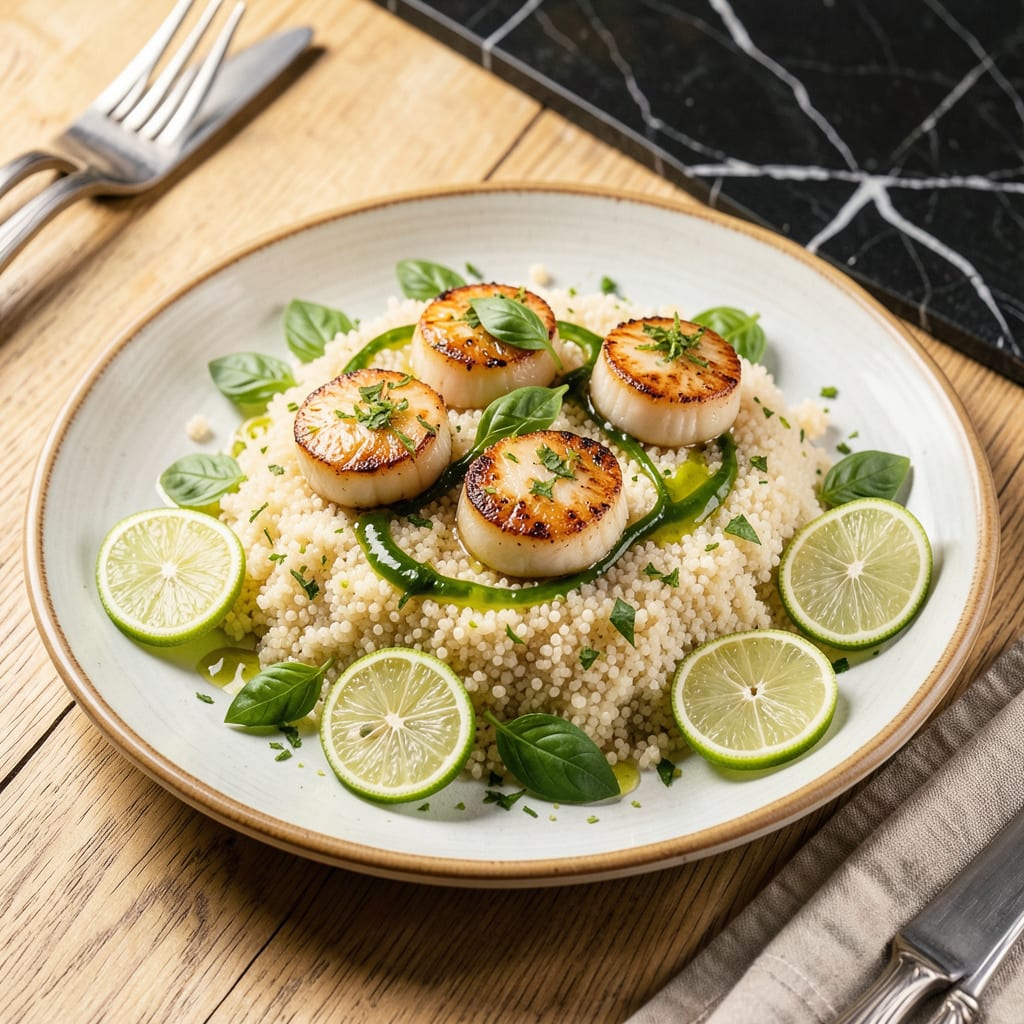
Lime n basil sauce is a bright, zesty condiment blending fresh lime juice, aromatic basil, garlic, and olive oil for a refreshing burst of flavor. Perfect for seafood, grilled meats, or as a marinade with a tangy, herbal kick.
This vibrant combination transforms ordinary dishes into restaurant-quality meals with minimal effort. 🔥 The citrusy sharpness of lime juice cuts through fatty proteins like salmon or pork, while basil’s peppery sweetness bridges the gap between acidity and richness. I love how the garlic and olive oil base creates a smooth emulsion that clings beautifully to ingredients—whether you’re tossing it with summer vegetables or using it as a finishing drizzle over grilled shrimp.
What sets this sauce apart is its incredible versatility across cuisines. ✨ It brings Mediterranean flair to grilled halloumi, adds Southeast Asian brightness to rice noodle bowls, and even works as a surprising twist in Mexican-inspired street tacos. The key is balancing the lime’s intensity with enough basil to mellow it—this creates that addictive sweet-tart harmony that keeps people coming back for more.
💡 In This Article
- How Lime and Basil Create the Perfect Flavor Balance
- 5 Creative Ways to Use Lime N Basil Sauce Beyond Dipping
How Lime and Basil Create the Perfect Flavor Balance
Here’s what’s actually happening when lime and basil meet: lime juice contains 5-6% citric acid, which triggers your salivary glands to produce more saliva, effectively “cleansing” your palate between bites. This acidity also breaks down proteins in rich foods like fatty fish or grilled meats, making each mouthful taste fresher.
Meanwhile, basil brings eugenol and linalool—compounds that create its signature peppery-sweet aroma with hints of clove and mint. 🔥
The magic happens in the ratio: lime’s sharpness needs basil’s sweetness to prevent overwhelming sourness. I’ve found the ideal balance is 1 part lime juice to 2 parts chopped basil by volume.
The garlic adds allicin compounds that create a warm, savory backbone, while olive oil’s fatty acids help carry all these flavors across your taste buds. When you whisk these together, the oil molecules surround the water-based lime juice, creating a temporary emulsion that gives the sauce its silky, cohesive texture. ✨
Temperature plays a crucial role in flavor release. Basil’s volatile oils are most potent at room temperature (68-72°F), while lime’s acidity becomes more pronounced when slightly warmed. That’s why this sauce tastes best when made 30-60 minutes before serving—giving the flavors time to meld without losing their individual characteristics.
The garlic’s pungency also mellows during this resting period, transforming from harsh to harmonious. 💛
What most people don’t realize is how this combination affects our perception of saltiness. The lime’s acidity actually enhances our ability to taste salt, meaning you can use 25% less salt in dishes paired with this sauce while maintaining satisfying flavor.
This makes it particularly valuable for heart-healthy cooking or when working with naturally salty ingredients like feta cheese or cured meats. The basil’s green, slightly bitter notes also help balance the perception of salt on your palate. ⚡
Consider the science of aroma release too. When you combine lime and basil, you’re creating a sauce that releases volatile compounds at different rates as you eat. The lime’s citrus notes hit first (they’re lighter molecules), followed by basil’s more complex aromas, then the garlic’s lingering warmth.
This staged release is why the sauce remains interesting bite after bite, rather than becoming one-dimensional like simpler condiments. 🌟
The emulsification process deserves special attention. When you whisk the lime juice and olive oil together, you’re creating tiny droplets of one liquid suspended in another. These droplets reflect light differently, giving the sauce its appealing cloudy appearance.
The basil’s cell walls contain pectin that helps stabilize this emulsion, preventing separation for 2-3 hours at room temperature—longer than a simple vinaigrette would last. 💫
Pro tip from my coastal foraging days: wild basil varieties often contain 30% more eugenol than cultivated types, giving them a more pronounced clove-like warmth that pairs beautifully with lime’s brightness.
If you can find lemon basil or Thai basil at your local market, they’ll add exciting citrusy or anise-like dimensions to your sauce that regular sweet basil can’t match. The lemon basil in particular contains citral, a compound that mirrors lime’s citrus notes, creating a delightful echo effect on your palate. ✨

Trained in classic French technique but raised on slow-cooked ribs and spicy rubs, she blends culinary skill with smoke and soul.
- Recipe for Boneless Pork Chops in Cast Iron Skillet: Sear and Baste to Juicy Perfection - October 3, 2026
- Recipe for Boneless Cross Rib Roast: Slow-Roasted Beef with Herb Crust - October 3, 2026
- Hamburgers in Sauce Recipe Crock Pot: Slow-Cooked Savory Delight - October 3, 2026