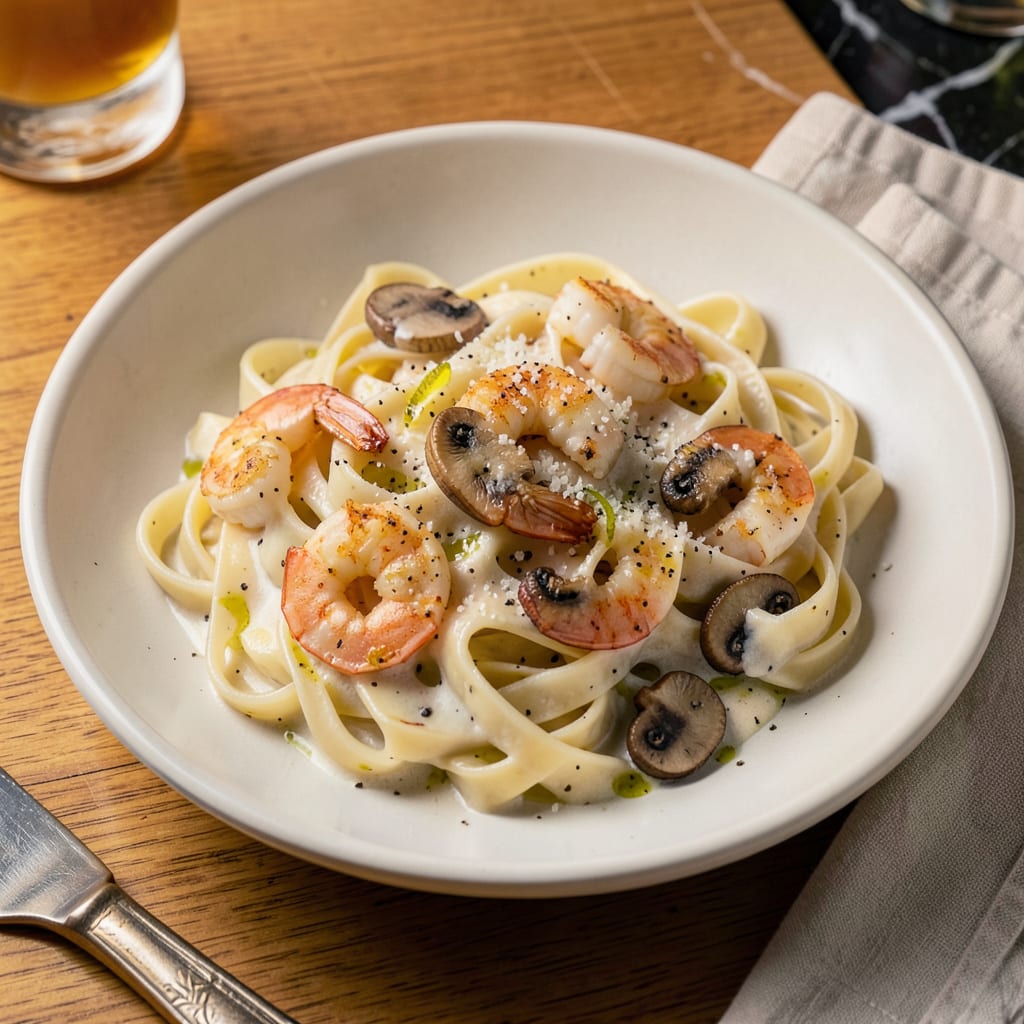
Reheat alfredo sauce gently on the stovetop over low-medium heat, stirring constantly. Add a splash of milk or cream to restore creaminess. Avoid microwaving directly as it can separate the sauce.
Alfredo’s delicate emulsion of butter, cream, and cheese demands careful handling when reheating. 🔥 The secret lies in gradual heat application—too much direct heat causes the fats to break away from the liquid, leaving you with a greasy, curdled mess. I always use a heavy-bottomed saucepan and keep the heat just above a simmer, which gives me better control than a microwave’s unpredictable bursts. The added dairy doesn’t just restore texture; it helps rebuild the emulsion by providing fresh fat molecules to bind everything together.
What most people overlook is the sauce’s starting temperature. 💫 Pulling it straight from the fridge and dumping it into a hot pan guarantees separation. Let it sit at room temperature for 15-20 minutes first, then warm it slowly while whisking vigorously. This gentle approach preserves that restaurant-quality silkiness we all crave in alfredo.
💡 In This Article
- Why Alfredo Sauce Separates When Reheated
- Step-by-Step Guide to Reheating Alfredo Without Ruining It
Why Alfredo Sauce Separates When Reheated
Alfredo sauce is essentially an emulsion—a delicate balance where fat droplets (from butter and cream) are suspended in liquid (water from the dairy). When heated too quickly, the fat molecules vibrate rapidly and break free from their liquid bonds.
🔥 This is why you’ll often see a pool of oil floating on top of reheated alfredo. The proteins in the cheese also tighten up under high heat, squeezing out moisture and causing that unpleasant grainy texture.
Temperature control is everything. At temperatures above 160°F, the butterfat in alfredo begins to melt completely, while the water content evaporates. Without proper stirring, these separated components won’t recombine. Store-bought versions often contain stabilizers like xanthan gum or modified starches that help maintain the emulsion, but homemade sauces lack these safety nets.
That’s why they require extra care—think of it like gently coaxing the ingredients back together rather than forcing them.
Here’s what’s actually happening at the molecular level: The casein proteins in cheese act as natural emulsifiers, wrapping around fat globules to keep them dispersed. When you reheat too fast, these proteins unravel and clump together, leaving the fats exposed and free to separate.
The starches from any flour in the sauce also absorb moisture differently at high temps, which can turn your silky sauce into a gluey mess if you’re not careful.
The microwave is particularly problematic because it heats unevenly, creating hot spots where proteins denature instantly while other areas remain cold. This uneven heating accelerates separation.
💫 Even the shape of your container matters—a wide, shallow dish allows for more even heat distribution than a deep bowl, which is why professional kitchens use saucepans with sloped sides for reheating delicate sauces.
What most people don’t realize is that time is just as important as temperature. Rapid reheating gives the fat molecules no chance to gradually re-emulsify. That’s why the low-and-slow method works best—it gives the proteins time to relax and rewrap around the fats.
I’ve found that 10-12 minutes over low-medium heat with constant whisking yields the creamiest results, compared to the 3-4 minutes it might take to “nuke” it in the microwave.
You can actually see the emulsion rebuilding if you watch closely. As you whisk, the sauce will go from separated to slightly thickened, then gradually smooth out. The color deepens slightly as the fats reincorporate, and the texture transforms from watery to velvety.
This visual cue is your best indicator that the sauce is properly reheated—far more reliable than any timer or temperature reading.
The type of dairy you use for restoration matters too. Whole milk works in a pinch, but heavy cream (with its 36-40% fat content) does a better job rebuilding the emulsion because it provides more fat molecules to stabilize the mixture.
🌟 Half-and-half splits the difference nicely, offering enough fat without overwhelming the original flavor balance of your sauce.

Trained in classic French technique but raised on slow-cooked ribs and spicy rubs, she blends culinary skill with smoke and soul.
- Recipe for Boneless Pork Chops in Cast Iron Skillet: Sear and Baste to Juicy Perfection - October 3, 2026
- Recipe for Boneless Cross Rib Roast: Slow-Roasted Beef with Herb Crust - October 3, 2026
- Hamburgers in Sauce Recipe Crock Pot: Slow-Cooked Savory Delight - October 3, 2026