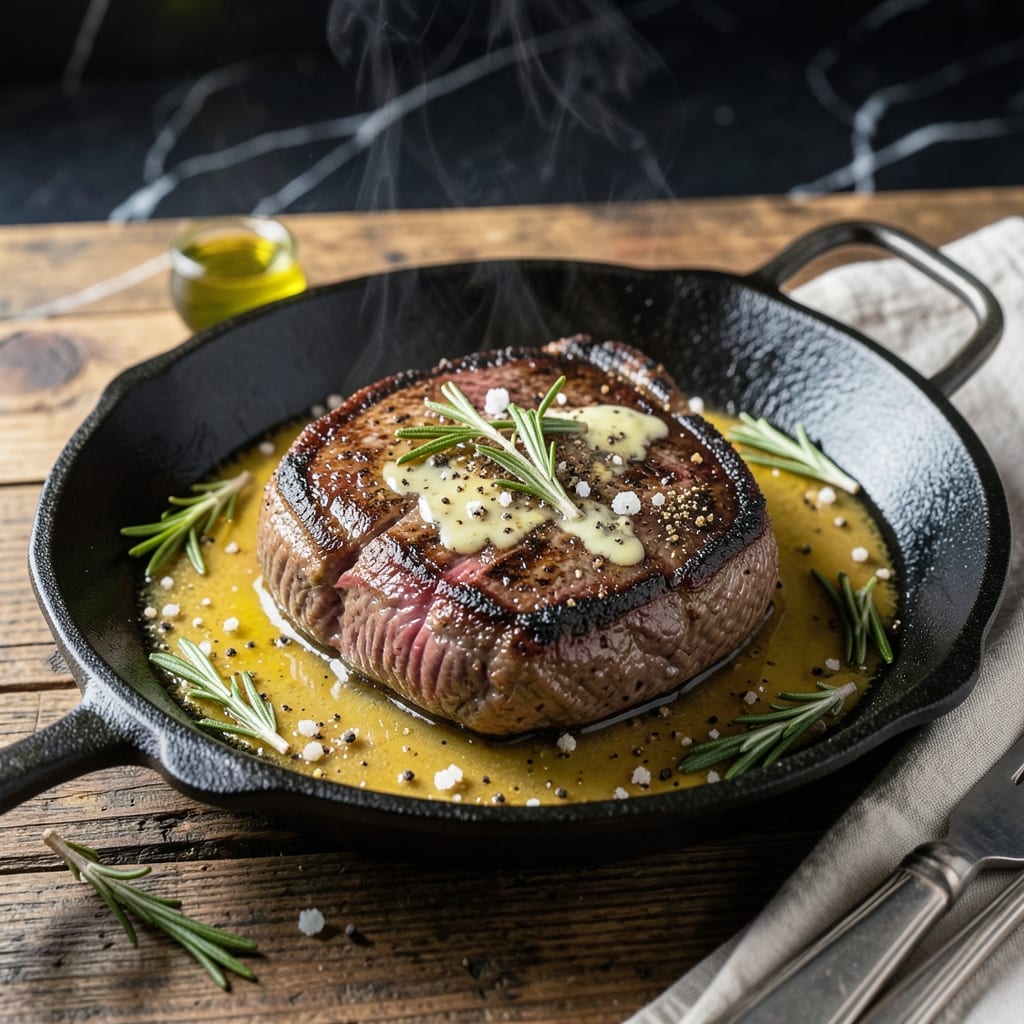
Recreating that signature Longhorn steakhouse experience at home starts with mastering their professional grilling technique. The restaurant-quality results come from a precise combination of heat, timing, and seasoning that transforms good steak into something extraordinary.
I’ve studied their method closely, and the key is a two-zone fire that allows for searing and finishing. This ensures a perfect crust while maintaining juicy tenderness inside. The seasoning is deceptively simple—just salt, pepper, and garlic powder applied generously before grilling.
What sets this approach apart is the attention to detail: letting the steak rest at room temperature, using high heat for the initial sear, and basting with butter and herbs during the final minutes. These small steps make a restaurant-style difference.
Pair with classic sides like baked potatoes and grilled vegetables to complete the experience. Here’s how to achieve it.
Ingredients for Longhorn Steakhouse Recipe Cooking Method
Professional-grade ingredients deliver that signature steakhouse experience at home with precision and flavor.
| Ingredient | Amount | Notes |
|---|---|---|
| Ribeye Steak 🥩 | 2 lb | Bone-in, 1.5 inches thick |
| Kosher Salt 🧂 | 2 tbsp | Diamond Crystal preferred |
| Coarsely Ground Black Pepper 🌶️ | 1 tbsp | Freshly ground for best flavor |
| Garlic Powder 🧄 | 1 tbsp | Fine grind for even distribution |
| Unsalted Butter 🧈 | ½ cup | Cut into cubes for basting |
| Fresh Rosemary Sprigs 🌿 | 4 whole | Stems on for basting |
| Fresh Thyme Sprigs 🍃 | 4 whole | Stems on for basting |
| Canola Oil 🫒 | 2 tbsp | High smoke point for searing |
| Russet Potatoes 🥔 | 4 whole | Large, for baking |
| Asparagus Spears 🥬 | 1 lb | Trimmed, tough ends removed |
| Olive Oil 🫒 | 2 tbsp | For grilling vegetables |
| Salted Butter 🧈 | 4 tbsp | For topping baked potatoes |
| Sour Cream 🥛 | ½ cup | For baked potato topping |
| Chopped Fresh Parsley 🌿 | ¼ cup | For garnish |
[recipe_ingredient_scaler]
The steak quality is non-negotiable for restaurant-style results. USDA Prime ribeye from a reputable butcher like Whole Foods or Local Meat Market delivers the marbling needed for that buttery texture. Look for thick cuts (1.5 inches minimum) with abundant fat streaking. The Diamond Crystal kosher salt is a professional kitchen staple—its coarse texture adheres better to meat and seasons more evenly than fine table salt.
No ribeye? New York strip works as a leaner alternative, but reduce cooking time by 20%. For the herb basting, dried rosemary and thyme at one-third the amount can substitute if fresh isn’t available, though the aroma won’t be as vibrant. The canola oil can be swapped for grapeseed or avocado oil—both have similarly high smoke points. Avoid extra-virgin olive oil for searing; its low smoke point creates bitterness.
Fresh herbs keep 5-7 days wrapped in damp paper towels in the fridge. Butter can be frozen for 9 months if you won’t use it within 3 months. The steak should rest at room temperature for 45-60 minutes before cooking—this ensures even cooking throughout.
Why You’ll Love This Recipe
- 5-Minute Seasoning: I just rub the ribeye with kosher salt, pepper, and garlic powder—no marinade, no waiting.
- Buttery Crust: That sizzle when the butter hits the hot steak? It makes the crust so rich and deep.
- Steakhouse at Home: I serve it for date night or a quick Tuesday dinner—same amazing taste without the bill.
- Leftover Luxury: Honestly, the next-day steak sandwich might be even better than the first meal.
Step-by-Step Instructions for Restaurant-Style Grilling
Achieve steakhouse-quality results at home with this proven method and precise technique.
Step 1: Season and Prepare the Ribeye
Begin by patting the 2 lb ribeye steak thoroughly dry with paper towels. This critical step ensures a proper sear rather than steaming the surface. Season generously with the 2 tbsp kosher salt, 1 tbsp coarsely ground black pepper, and 1 tbsp garlic powder, pressing the seasoning into the meat so it adheres completely.
Let the seasoned ribeye rest at room temperature for 45-60 minutes. This allows the salt to penetrate the surface and the meat to cook more evenly. Meanwhile, cut the 0.5 cup unsalted butter into cubes and prepare the 4 whole fresh rosemary sprigs and 4 whole fresh thyme sprigs by gently bruising them to release their aromatics.
Step 2: Sear the Ribeye to Perfection
Heat a heavy skillet or grill pan over high heat until very hot. Add the 2 tbsp canola oil and swirl to coat the surface. Once the oil begins to shimmer but not smoke, carefully place the ribeye in the pan. Sear undisturbed for 3-4 minutes until a deep, golden crust forms.
Flip the steak and immediately add the cubed unsalted butter, rosemary sprigs, and thyme sprigs to the pan. Tilt the pan slightly and baste the steak continuously with the melted butter and herbs for another 3-4 minutes. This basting technique infuses the ribeye with aromatic flavor and promotes even cooking.
Step 3: Finish Cooking and Rest the Steak
For medium-rare, continue cooking until the internal temperature reaches 130-135°F on an instant-read thermometer. The steak will carry over to 145°F while resting. Transfer the ribeye to a cutting board or warm plate and tent loosely with foil.
Let the steak rest for 10-15 minutes before slicing. This resting period allows the juices to redistribute throughout the meat, ensuring each slice is moist and flavorful. Avoid cutting into the steak too soon, as this will cause the juices to escape, resulting in a dry final product.
Step 4: Prepare the Accompaniments
While the steak rests, prepare the sides. For the baked potatoes, pierce the 4 whole russet potatoes and bake at 400°F for 45-60 minutes until tender. Top each with 1 tbsp salted butter and 2 tbsp sour cream. Toss the 1 lb asparagus spears with 2 tbsp olive oil, season with salt and pepper, and grill or roast until tender-crisp.
Slice the rested ribeye against the grain into ½-inch thick pieces. Arrange the slices on a platter and garnish with the 0.25 cup chopped fresh parsley for a pop of color and freshness. Serve immediately with the prepared potatoes and asparagus for a complete steakhouse experience.
Pro Tips For Making Longhorn Steakhouse Recipe Cooking Method
- Salt Generously: Use more kosher salt than you think—about 1 teaspoon per side for a 1-inch ribeye. I learned this the hard way after my first few steaks came out bland despite the butter.
- Room Temp First: Let the ribeye sit out for 30-45 minutes before cooking. After burning the outside of cold steaks too many times, I finally realized this guarantees even cooking.
- Blot the Steak: Pat the ribeye completely dry with paper towels before seasoning. Sounds weird, but it works: wet meat steams instead of searing.
- Baste with Butter: Tilt the pan and spoon the melted butter over the steak repeatedly during the last 2 minutes. My grandmother swore by this, and she was right: it builds flavor faster than just letting it sit in the butter.
Common Mistakes When Making Perfect Results
Skipping the Rest
I see too many home cooks ruin a perfect sear by cutting into the steak immediately. That 10-15 minute rest isn’t optional—it’s when the juices redistribute. Skip it, and you’ll have a dry steak with a puddle of flavor on your cutting board. 💡
Uneven Seasoning
Don’t just sprinkle seasoning on top. Pat the steak dry first, then press the salt, pepper, and garlic powder into every surface. This creates that signature Longhorn crust. I use my hands to ensure full coverage—gloves optional but helpful.
Overcrowding the Pan
Your pan needs to be screaming hot for a proper sear. If you add the steak before the canola oil shimmers, you’ll steam the meat instead of searing it. Test with a drop of water—it should dance across the surface before adding your ribeye.
Incorrect Temperature
Medium-rare isn’t about time—it’s about internal temperature. Pull your steak at 130-135°F for perfect medium-rare. The carryover cooking will bring it to 145°F. I recommend a ThermoWorks instant-read thermometer for accuracy.
Neglecting the Sides
While the steak rests, don’t let your sides suffer. Start the baked potatoes first since they take 45-60 minutes. The asparagus can grill alongside the steak during the final minutes. Timing is everything for a cohesive meal.
Butter Overload
More butter doesn’t mean better flavor. Use just enough to baste—the ½ cup called for is perfect. Too much butter will make your pan smoke excessively and can actually mute the steak’s natural beefy flavor. 🔥
Nutrition Facts
Frequently Asked Questions
What temperature should I pull the steak at?
For medium-rare, remove at 130-135°F internal temperature. It will rise to 145°F while resting. Always use a meat thermometer for accuracy.
Can I use a different cut of steak?
Yes, New York strip works well as a leaner option. Reduce cooking time by 20% since it’s less marbled than ribeye. The same seasoning and method apply.
How long should the steak rest before slicing?
Let it rest for 10-15 minutes under foil. This allows juices to redistribute, ensuring a moist, flavorful result. Skipping this step risks a dry steak.
Can I prepare this on a grill instead of a pan?
Use two-zone heat: sear over direct high heat, then finish on the cooler side. Follow the same temperature and timing guidelines.

Trained in classic French technique but raised on slow-cooked ribs and spicy rubs, she blends culinary skill with smoke and soul.
- Recipe for Boneless Pork Chops in Cast Iron Skillet: Sear and Baste to Juicy Perfection - October 3, 2026
- Recipe for Boneless Cross Rib Roast: Slow-Roasted Beef with Herb Crust - October 3, 2026
- Hamburgers in Sauce Recipe Crock Pot: Slow-Cooked Savory Delight - October 3, 2026