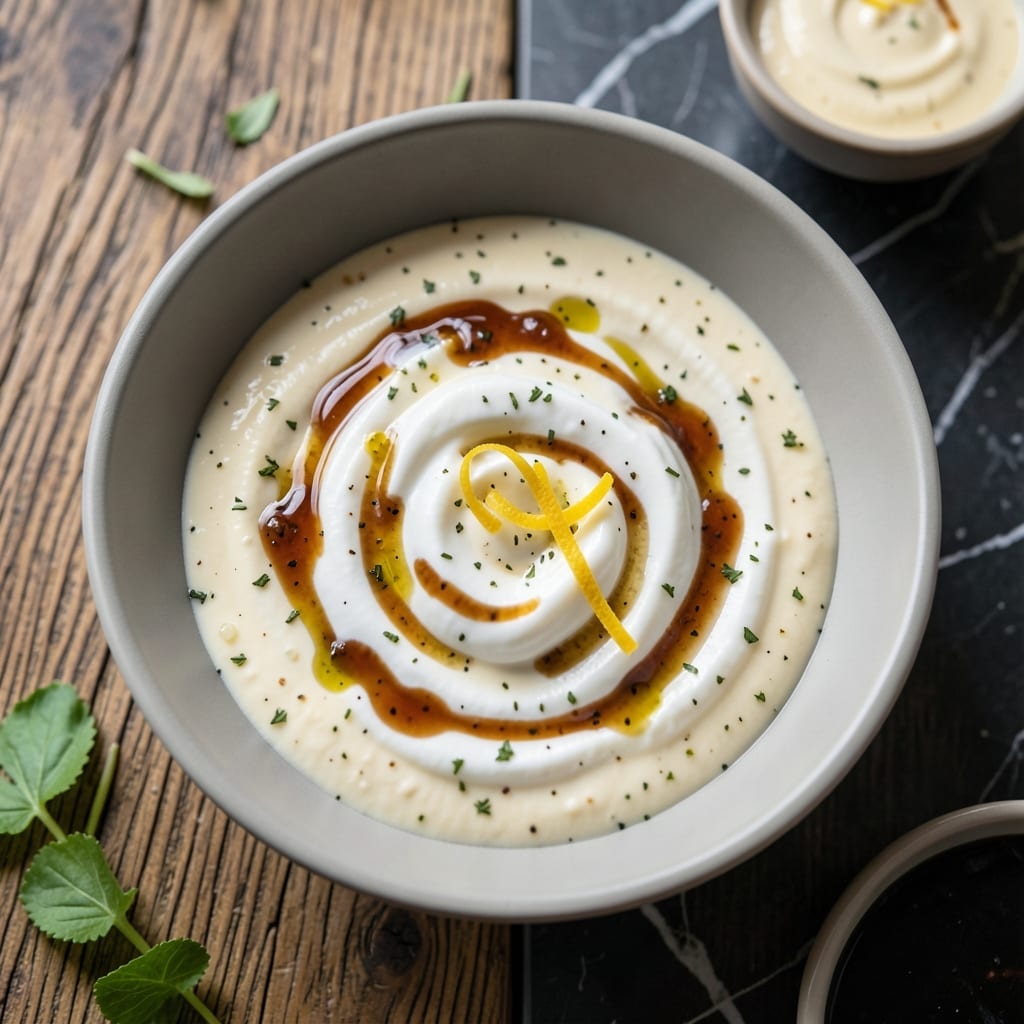
This gentle dressing delivers smooth, balanced flavor without the sharp acidity of traditional vinaigrettes. I developed this recipe for sensitive palates that still crave depth and complexity.
Using mild bases and carefully selected ingredients, it creates a silky emulsion that coats greens perfectly. The result is a versatile condiment that enhances rather than overpowers your salads.
Ingredients for Low Acid Salad Dressing
Nine carefully chosen ingredients create a silky, balanced dressing perfect for sensitive palates.
| Ingredient | Amount | Notes |
|---|---|---|
| Mayonnaise 🥚 | ½ cup | Full-fat for creaminess |
| Sour Cream 🥛 | ¼ cup | Reduces tang with mayonnaise |
| Extra-Virgin Olive Oil 🫒 | ¼ cup | Mild variety preferred |
| White Wine Vinegar 🍷 | 1 tbsp | Low-acid alternative |
| Dijon Mustard 🟡 | 1 tsp | Smooth, mild flavor |
| Honey 🍯 | 1 tbsp | Balances mild acidity |
| Garlic Clove 🧄 | 1 clove | Minced finely for even distribution |
| Shallot 🧅 | 1 tbsp | Finely minced for subtle flavor |
| Salt 🧂 | ½ tsp | Fine sea salt preferred |
| Black Pepper 🌶️ | ¼ tsp | Freshly ground for depth |
[recipe_ingredient_scaler]
The mayonnaise and sour cream base is non-negotiable for that silky emulsion. Opt for Duke’s or Hellmann’s for the mayo—both have the right fat content and mild flavor. For sour cream, full-fat Daisy or organic brands perform best. Avoid low-fat versions as they can break the emulsion. The olive oil should be a mild variety, like California Olive Ranch, to avoid overpowering the delicate balance.
No white wine vinegar? Rice vinegar at the same amount works beautifully. If avoiding honey, maple syrup or agave can substitute one-for-one. The Dijon mustard adds depth without acidity—Grey Poupon is a reliable choice. For a nutty twist, toasted sesame oil can replace half the olive oil. Shallots can be swapped for green onions if needed.
This dressing keeps 5-7 days in the fridge. Store in an airtight container and give it a good shake before each use. The flavors meld and mellow over time, making it even more smooth and balanced. Not suitable for freezing.
Why You’ll Love This Recipe
- Mix and Done: No whisking, no fuss—I just stir these 5 ingredients together and it’s ready.
- Silky and Tangy: The mayo and sour cream give it this rich, creamy base, then the Dijon and white wine vinegar add just the right zing without being harsh.
- Pairs with Everything: I drizzle this on spinach, use it as a dip for veggies, or even toss it with cold pasta for a quick lunch.
- Keeps for Days: Honestly, it tastes even better after sitting in the fridge for a couple of days, so I always make extra.
Step-by-Step Instructions for Low Acid Salad Dressing
This method ensures a perfectly emulsified dressing with balanced flavor and velvety texture.
Step 1: Prepare the Aromatics
Finely mince the 1 clove Garlic Clove and 1 tbsp Shallot until they reach a near-paste consistency. This fine texture ensures even distribution throughout the dressing without overpowering any single bite.
I recommend using a microplane for the garlic and a sharp chef’s knife for the shallot. The finer the mince, the more seamlessly these aromatics will incorporate into the emulsion. Set them aside in a small bowl.
Step 2: Whisk the Acid and Emulsifiers
In a medium mixing bowl, combine the 1 tbsp White Wine Vinegar, 1 tsp Dijon Mustard, and 1 tbsp Honey. Whisk vigorously for 30 seconds until the honey fully dissolves and the mixture becomes uniform.
The mustard acts as a natural emulsifier, while the white wine vinegar provides gentle acidity without the sharpness of other vinegars. This base layer is critical for the dressing’s stability and flavor profile.
Step 3: Incorporate the Creamy Elements
Add the 0.5 cup Mayonnaise and 0.25 cup Sour Cream to the bowl. Whisk for another 45 seconds until the mixture is completely smooth and pale in color.
The sour cream tempers the mayonnaise’s richness while maintaining the creamy texture essential for this dressing. Ensure no streaks of mayonnaise remain visible before proceeding.
Step 4: Stream in the Oil and Season
While whisking constantly, slowly drizzle in the 0.25 cup Extra-Virgin Olive Oil in a thin, steady stream. This gradual incorporation creates a stable emulsion that won’t separate.
Once fully emulsified, add the minced garlic and shallot, then season with 0.5 tsp Salt and 0.25 tsp Black Pepper. Whisk for another 20 seconds to distribute all ingredients evenly.
Step 5: Rest and Adjust Consistency
Let the dressing rest for 10 minutes at room temperature to allow the flavors to meld. The emulsion will thicken slightly during this time.
Give it a final whisk before using. If the dressing appears too thick, whisk in 1-2 teaspoons of water to reach your desired pourable consistency. The finished product should coat the back of a spoon while remaining fluid enough to drizzle.
Pro Tips For Making Low Acid Salad Dressing
- Whisk in Circles: Start with the mayo and sour cream in the bowl first, then whisk in a circular motion as you slowly drizzle in the olive oil—this prevents separation and gives you that creamy, stable emulsion.
- Cut the Vinegar: Since this is a low acid dressing, use just 1 tablespoon of white wine vinegar instead of the usual 2—any more and it’ll overpower the creamy base.
- Temper the Mustard: I learned this the hard way—mix the Dijon mustard with a little of the mayo first to mellow its sharpness before adding it to the full batch.
- Skip the Blender: Sounds weird, but it works: a fork and some elbow grease gives you better control over texture than a blender, which can make the dressing too thin.
Perfect Pairings for This Recipe
Delicate Greens
This dressing is perfect for butter lettuce or baby spinach, as their tender leaves soak up the creamy texture beautifully. I love it on a bed of 6 cups mixed greens with thinly sliced cucumber and radishes for a refreshing lunch. 🥗
Protein Pairings
Add grilled chicken breast or poached shrimp to turn your salad into a satisfying meal. The mild flavor of the dressing won’t compete with the protein. I often use 4 oz of protein per serving for a balanced plate.
Fruit Combinations
Try pairing with sliced pears or apples for a sweet contrast that complements the honey in the dressing. A handful of toasted walnuts adds a nice crunch. This combo works wonderfully for autumn-inspired salads.
Cheese Accents
Mild cheeses like crumbled feta or shaved Parmesan add a salty note that enhances the dressing’s creamy base. I recommend ¼ cup of cheese per 2 cups of greens for ideal balance.
Bread and Sides
Serve with warm crusty bread or garlic croutons to soak up any leftover dressing at the bottom of the bowl. A side of roasted sweet potatoes adds heartiness to the meal. 💫
Beverage Pairings
Light, crisp beverages like sparkling water with a lemon wedge or a dry Riesling complement the dressing’s gentle flavors. I prefer chilled white wines to maintain the light, refreshing theme.
Nutrition Facts
Frequently Asked Questions
Can I use Greek yogurt instead of sour cream?
Yes, plain Greek yogurt works as a substitute. Use the same ¼ cup amount for similar creaminess. The tang will be slightly sharper, so taste and adjust honey if needed.
Why does the dressing need to rest?
Resting for 10 minutes lets flavors meld and the emulsion stabilize. This prevents separation and enhances the smooth, balanced taste.
How do I fix a broken emulsion?
Start whisking 1 tsp Dijon mustard in a clean bowl, then slowly drizzle in the broken dressing. The mustard acts as a new emulsifier to rebuild texture.
What’s the best way to store this?
Keep in an airtight container in the fridge for up to 7 days. Shake well before each use as some separation is natural.

Trained in classic French technique but raised on slow-cooked ribs and spicy rubs, she blends culinary skill with smoke and soul.
- Recipe for Boneless Pork Chops in Cast Iron Skillet: Sear and Baste to Juicy Perfection - October 3, 2026
- Recipe for Boneless Cross Rib Roast: Slow-Roasted Beef with Herb Crust - October 3, 2026
- Hamburgers in Sauce Recipe Crock Pot: Slow-Cooked Savory Delight - October 3, 2026