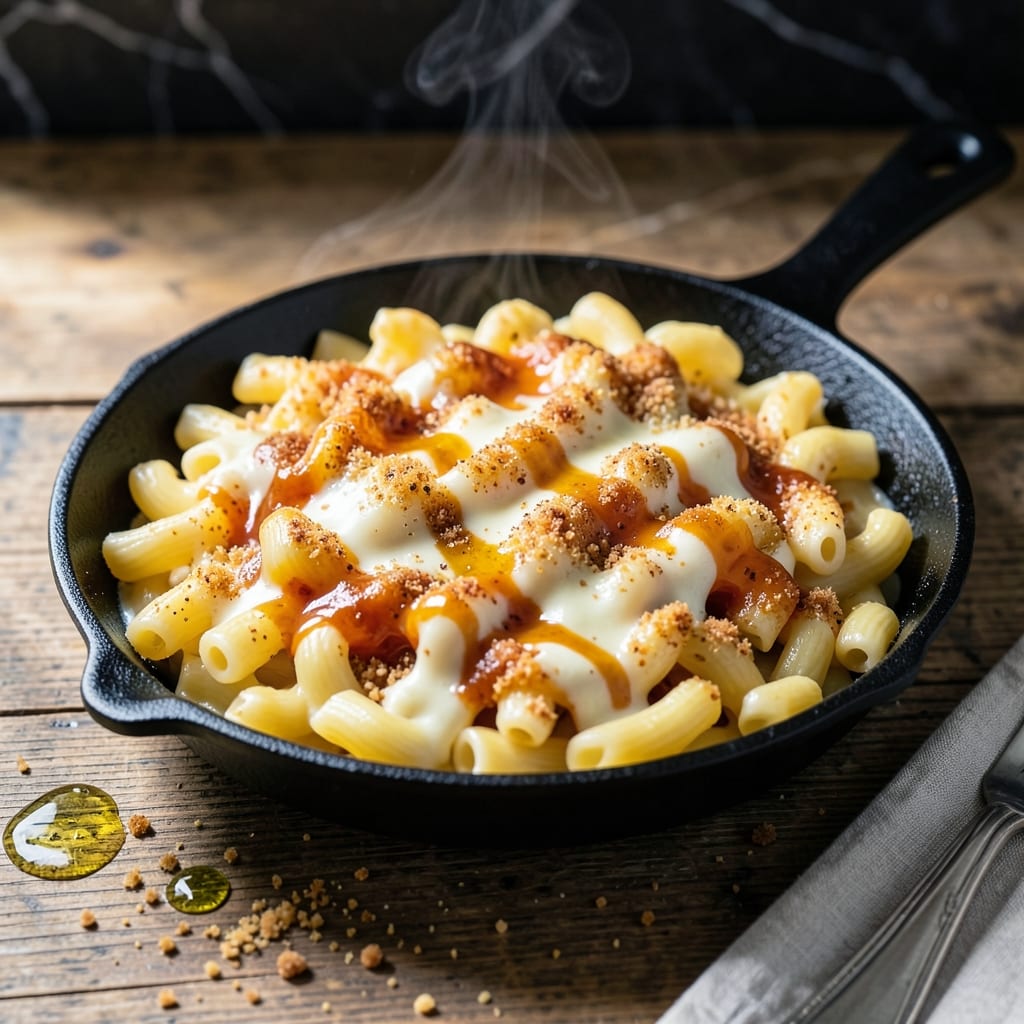
This stovetop macaroni and cheese delivers restaurant-quality creaminess without the fuss of baking. The recipe stays true to Rachael Ray’s signature style—simple ingredients with bold flavor.
What sets this version apart is the combination of sharp cheddar and velvety American cheese, melted into a smooth, rich sauce. The pasta cooks directly in the sauce, absorbing every bit of cheesy goodness.
The result is a dish with perfectly tender noodles and a sauce so creamy it clings to every bite. A touch of Dijon mustard adds a subtle kick, balancing the richness.
Ready in under 30 minutes, this is comfort food at its most satisfying. Serve it as a main or a hearty side.
Ingredients for Macaroni and Cheese Recipe Rachael Ray
Creamy, dreamy comfort in a pot. Rachael’s signature blend delivers bold, cheesy perfection every time.
| Ingredient | Amount | Notes |
|---|---|---|
| Elbow Macaroni 🍝 | 12 oz | Or any short pasta shape |
| Whole Milk 🥛 | 2 cups | Full-fat for creaminess |
| Sharp Cheddar Cheese 🧀 | 2 cups | Freshly shredded from block |
| American Cheese 🧀 | 8 oz | Deli slices or block |
| Unsalted Butter 🧈 | 3 tbsp | Divided for roux and finishing |
| All-Purpose Flour 🌾 | 3 tbsp | For thickening the sauce |
| Dijon Mustard 🟡 | 1 tsp | For subtle tangy kick |
| Kosher Salt 🧂 | 1 tsp | Diamond Crystal preferred |
| Ground Black Pepper 🌶️ | ½ tsp | Freshly cracked for best flavor |
| Garlic Powder 🧄 | ½ tsp | Optional for depth of flavor |
| Dry Mustard Powder 🟡 | ¼ tsp | Enhances cheese flavor |
| Worcestershire Sauce 🫒 | ½ tsp | Annie's brand for vegetarian |
[recipe_ingredient_scaler]
The cheeses are non-negotiable here. Sharp cheddar provides the backbone while American cheese (yes, the processed kind) delivers that velvety texture Rachael Ray swears by. Cabot or Tillamook for cheddar—avoid pre-shredded, which has anti-caking agents that make the sauce grainy. For American, Boar’s Head deli slices melt beautifully. The milk should be whole—2% won’t cut it for that restaurant-quality richness.
No sharp cheddar? Gouda or Monterey Jack work in a pinch. Skip the American? Velveeta or Cheez Whiz (unapologetically) get you close. Out of Dijon? Regular yellow mustard at half the amount works. For the Worcestershire, Annie’s vegetarian version is essential—regular contains anchovies. The pasta shape is flexible, but short, sturdy shapes like cavatappi or shells hold sauce better than spaghetti.
This keeps 3-4 days in the fridge, though it’s best fresh. Reheat gently with a splash of milk to restore creaminess. Doesn’t freeze well—the sauce separates. For leftovers, transform into mac and cheese bites by baking with breadcrumbs on top.
Why You’ll Love This Recipe
- One Pot Wonder: I love that this comes together in a single pot—no colander, no extra bowls, just macaroni, milk, and cheese melting into creamy perfection.
- Cheesy Bliss: The sharp cheddar and American cheese combo hits that perfect balance—tangy depth with a silky, kid-friendly smoothness.
- Weeknight Hero: Between us, this is my Tuesday night lifesaver when I need dinner on the table faster than the kids can argue over screen time.
- Leftovers? Yes Please: Honestly, it tastes even better the next day, and that’s saying something for a dish that disappears this fast.
Step-by-Step Instructions for Macaroni and Cheese
Here is the method. Straightforward, tested, works every time.
Step 1: Cook the Elbow Macaroni Al Dente
Bring a large pot of salted water to a rolling boil. Add the 12 oz Elbow Macaroni and cook according to package directions, but stop 1 minute before the suggested time. You want the pasta slightly undercooked as it will finish in the sauce.
Stir occasionally to prevent sticking. The pasta should be tender but still have a slight bite when tasted. Immediately drain and set aside, but do not rinse—you need the starch to help the sauce cling to the noodles.
Return the pasta to the pot and add a drizzle of olive oil to prevent sticking while you prepare the sauce. This ensures the noodles remain separate and ready to absorb the creamy cheese mixture.
Step 2: Create a Roux with Unsalted Butter and Flour
In a large saucepan, melt 3 tbsp Unsalted Butter over medium heat. Once the butter is fully melted and foaming subsides, add the 3 tbsp All-Purpose Flour and whisk constantly for 1-2 minutes until the mixture turns a light golden color.
This is your roux—the foundation for thickening the sauce. The mixture should smell nutty and look smooth. Be careful not to let it brown too deeply, or it will impart a bitter flavor to the sauce.
Keep the heat steady and continue whisking to avoid any lumps. The roux should resemble wet sand when it’s ready for the next step.
Step 3: Build the Cheese Sauce with Milk and Seasonings
Gradually pour in the 2 cups Whole Milk, whisking continuously to prevent lumps. Bring the mixture to a gentle simmer over medium heat, stirring often. The sauce will begin to thicken as the roux absorbs the liquid.
Once thickened, reduce the heat to low and stir in the 1 tsp Dijon Mustard, 1 tsp Kosher Salt, 0.5 tsp Ground Black Pepper, 0.5 tsp Garlic Powder, 0.25 tsp Dry Mustard Powder, and 0.5 tsp Worcestershire Sauce. These seasonings add depth and balance to the richness of the cheese.
Allow the sauce to simmer for 2-3 minutes until it coats the back of a spoon. The mixture should be smooth, velvety, and ready to receive the cheese.
Step 4: Incorporate the Cheeses for Ultimate Creaminess
Reduce the heat to its lowest setting. Add the 2 cups Sharp Cheddar Cheese and 8 oz American Cheese in small handfuls, stirring constantly until each addition is fully melted and smooth before adding more. This gradual process prevents the sauce from breaking or becoming grainy.
The American cheese ensures a silky texture, while the sharp cheddar provides a bold, tangy flavor. The sauce should be glossy and thick enough to coat the pasta evenly.
Taste and adjust seasoning if needed. If the sauce feels too thick, add a splash of warm milk to reach your desired consistency.
Step 5: Combine and Serve Immediately
Add the cooked elbow macaroni to the cheese sauce and stir until every noodle is coated. The pasta should be well integrated, with the sauce clinging to each piece. If the mixture seems too thick, add a small amount of warm milk to loosen it.
Serve immediately while hot and creamy. The dish should have a rich, velvety texture with a perfect balance of sharp cheddar and smooth American cheese in every bite.
Pro Tips For Making Macaroni And Cheese Recipe Rachael Ray
- Undercook the Pasta: Pull the elbow macaroni off the heat 1-2 minutes before it’s fully tender—it’ll finish cooking in the cheese sauce and stay perfectly al dente instead of turning mushy.
- Shred Your Own Cheese: Skip the pre-shredded stuff and grate the sharp cheddar yourself; the anti-caking agents in bagged cheese make the sauce grainy, and I learned this the hard way after three lump-filled batches.
- Warm the Milk: Heat the whole milk gently before adding it to the roux—cold milk makes the sauce seize up, and you’ll spend twice as long stirring out lumps.
- Add American Last: Stir in the American cheese at the very end, off the heat; it melts instantly and gives that signature creamy texture without turning the whole pot into a gluey mess.
Troubleshooting This Recipe
Grainy Sauce Fix
If your sauce turns grainy instead of silky, the cheese likely overheated or was added too quickly. Remove from heat immediately and whisk in 1-2 tbsp warm milk to restore smoothness. Always use block cheese—pre-shredded contains anti-caking agents that cause clumping. 💡
Thin Sauce Rescue
A thin sauce often means the roux didn’t cook long enough or the milk wasn’t warm. Simmer for 2-3 more minutes while stirring. If still thin, mix 1 tsp cornstarch with 1 tbsp cold milk and whisk into the sauce.
Pasta Too Soft
Mushy noodles usually result from overcooking in the boiling phase. Next time, reduce package cooking time by 2 minutes since the pasta continues cooking in the sauce. For immediate fix, drain well and fold in 1 cup of the sauce first.
Sauce Separating
If your sauce breaks into oil and solids, the heat was too high. Lower to medium-low and whisk vigorously. Adding 1 tsp lemon juice can help re-emulsify. Prevent this by keeping heat gentle and stirring constantly.
Lumpy Roux
Lumps form when flour isn’t fully incorporated into the butter. If this happens, whisk vigorously to break them up. For prevention, add flour gradually while whisking. A fine mesh strainer can help sift flour directly into the butter.
Cheese Not Melting
Older cheese or low heat can cause this. Switch to medium-low heat and add cheese in smaller amounts, waiting until each addition melts completely. American cheese slices melt more reliably than blocks for this recipe. 🧀
Nutrition Facts
Frequently Asked Questions
Can I use a different pasta shape?
Any short shape like cavatappi, shells, or rotini works well. Avoid long pasta like spaghetti as it won’t hold the sauce as effectively. Just adjust cooking time by 1-2 minutes as needed.
Why include American cheese?
American cheese melts ultra-smoothly, creating that signature velvety texture. It balances sharp cheddar’s tang while preventing graininess. Rachael’s trick for restaurant-style creaminess every time.
How do I prevent a lumpy sauce?
Whisk constantly when adding flour to butter, and pour milk in slowly while stirring. If lumps form, strain through fine mesh or whisk vigorously. Medium heat is key.
Can I make this ahead?
Best served fresh, but leftovers keep 3-4 days refrigerated. Reheat gently with a splash of milk to restore creaminess. Doesn’t freeze well—the sauce may separate.

Trained in classic French technique but raised on slow-cooked ribs and spicy rubs, she blends culinary skill with smoke and soul.
- Recipe for Boneless Pork Chops in Cast Iron Skillet: Sear and Baste to Juicy Perfection - October 3, 2026
- Recipe for Boneless Cross Rib Roast: Slow-Roasted Beef with Herb Crust - October 3, 2026
- Hamburgers in Sauce Recipe Crock Pot: Slow-Cooked Savory Delight - October 3, 2026