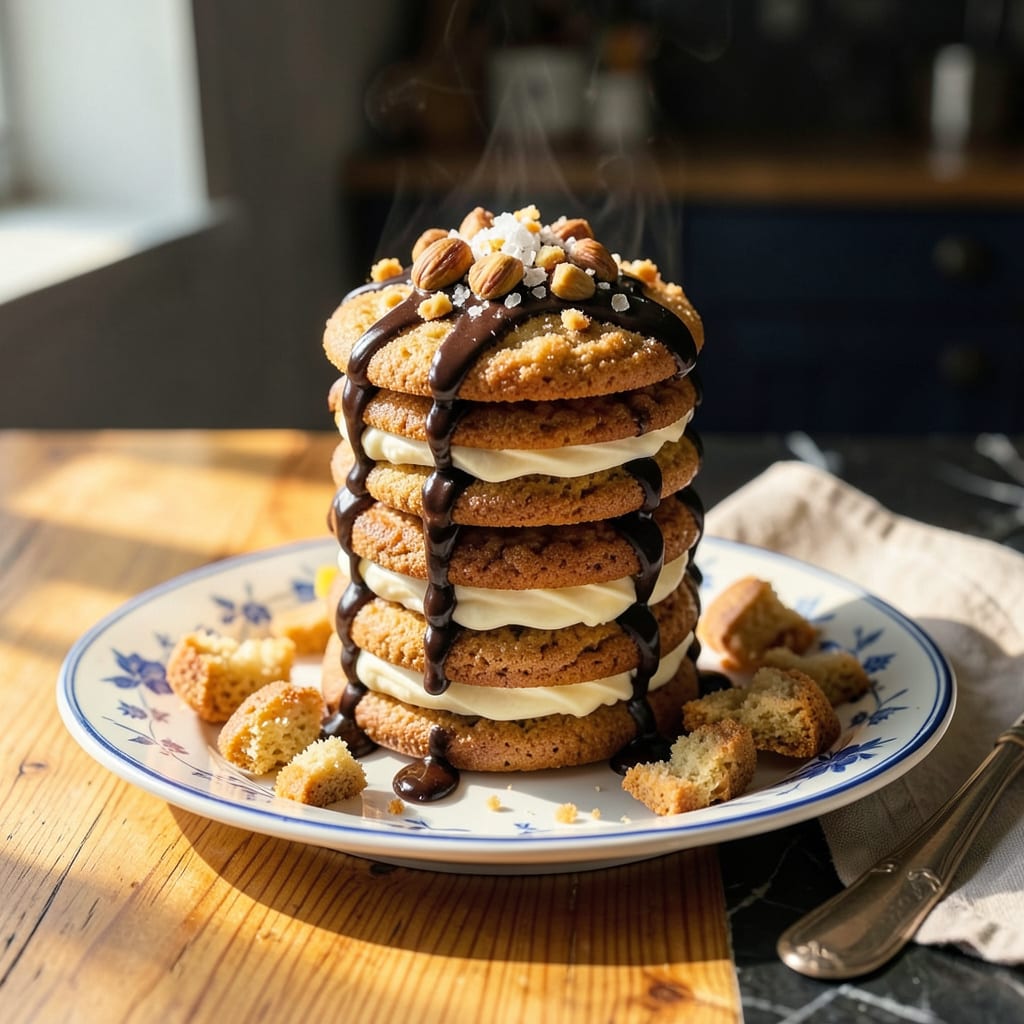
I’ll be real with you—I used to be a butter purist when it came to cookies. Then I discovered margarine’s secret power for creating soft, chewy batches that stay fresh longer. This recipe changed my mind completely, and now it’s my go-to when I want cookies that stay tender for days.
Here’s the thing—margarine has a higher water content than butter, which actually works in your favor for chewy cookies. The key is using the right kind (stick margarine, not tub) and not overmixing the dough. I’ve tested this with everything from classic chocolate chip to oatmeal raisin, and the results are consistently perfect.
You’ll end up with cookies that have just the right amount of spread—crisp edges with centers that stay soft and pillowy. The flavor is rich but not overly buttery, letting your mix-ins shine. Plus, it’s an easy swap for dairy-free baking when you use plant-based margarine.
Whether you’re out of butter or just curious about alternatives, this method delivers. The dough comes together in 15 minutes, and you’ll be pulling warm, aromatic cookies from the oven before you know it. Let’s get baking!
📚 In This Guide
- What You’ll Need
- Instructions
- Tips and Common Mistakes
What Youll Need
- ● Margarine: 1 cup (2 sticks or 227g) unsalted margarine (choose a baking-friendly brand like Land O’Lakes® or Earth Balance® for best texture).
- ● All-purpose flour: 2 ¼ cups (280g) – sifted for lighter cookies.
- ● Granulated sugar: ¾ cup (150g) for sweetness.
- ● Brown sugar: ¾ cup (165g) packed light or dark for chewiness.
- ● Eggs: 2 large, room temperature.
- ● Vanilla extract: 1 tsp (5mL) pure for flavor.
- ● Baking soda: 1 tsp (5g) for rise.
- ● Salt: ½ tsp (3g) to balance sweetness.
- ● Mixing bowls: 2 medium (1 for dry, 1 for wet ingredients).
- ● Electric mixer: Hand or stand mixer (or a sturdy whisk if mixing by hand).
- ● Measuring cups/spoons: For precise ingredient ratios.
- ● Baking sheets: 2 ungreased (or lined with parchment paper).
- ● Cooling rack: To prevent soggy bottoms.
- ● Chocolate chips (1 cup), chopped nuts (½ cup), or sprinkles for fun!
Instructions
Here’s how to get perfectly soft and chewy cookies using margarine—it’s easier than you think.
Select the Right Margarine
Start by choosing a high-quality margarine with at least 60% fat content. I always look for stick margarine rather than tub margarine because it has less water and more fat, which mimics butter’s behavior in baking. The packaging should indicate it’s suitable for baking—this ensures proper texture in your cookies.
Let the margarine sit at room temperature for 30-45 minutes until it’s soft enough to leave a slight indentation when pressed, but not melted. This is crucial because properly softened margarine creams better with sugar, creating that ideal cookie texture we’re after. If you’re in a hurry, you can cut the margarine into small cubes to speed up the softening process.
Cream Margarine and Sugars Properly
In a large mixing bowl, combine the softened margarine with both granulated and brown sugar. Using an electric mixer on medium speed, beat the mixture for 3-5 minutes until it becomes light and fluffy. You’ll notice the color lighten and the volume increase significantly—this indicates you’ve incorporated enough air.
This creaming step is where margarine really shines. Because it has a higher water content than butter, it creates a slightly softer dough that bakes into chewier cookies. Don’t rush this process; proper creaming ensures your cookies will have that perfect soft center and slightly crisp edges we’re aiming for.
Incorporate Wet and Dry Ingredients
Add your eggs one at a time, mixing well after each addition. Then blend in vanilla extract. The mixture might look slightly different than when using butter—margarine creates a smoother, more homogeneous batter. This is normal and actually helps create that uniform chewy texture throughout the cookie.
In a separate bowl, whisk together your dry ingredients (flour, baking soda, salt). Gradually add these to your wet mixture, mixing just until combined. Be careful not to overmix—the gluten in flour develops quickly, and we want to maintain that tender crumb that margarine helps create. The dough should be soft but not sticky.
Chill and Shape the Dough
Cover your dough and refrigerate it for at least 30 minutes. This chilling step is especially important with margarine because it has a lower melting point than butter. Chilling helps the cookies maintain their shape during baking and prevents excessive spreading.
After chilling, scoop the dough into 1-2 tablespoon portions and roll them into balls. I like to slightly flatten the tops with my palm—this helps them bake more evenly. Place them on your prepared baking sheet about 2 inches apart. They’ll spread more than butter-based cookies, so give them room.
Bake to Chewy Perfection
Bake in a preheated 350°F oven for 10-12 minutes. The edges should be just beginning to turn light golden brown, but the centers will still look soft and slightly underdone. This is exactly what we want—margarine cookies continue to set as they cool, so pulling them out early ensures that soft, chewy center.
Let the cookies cool on the baking sheet for 5 minutes before transferring them to a wire rack. They’ll firm up as they cool, but will remain wonderfully soft and chewy. The margarine gives them a slightly different mouthfeel than butter cookies—softer and more pliable, with a texture that stays fresh longer. Enjoy them warm or at room temperature!
Tips and Common Mistakes
Working with margarine in cookies is different than butter—here’s what I’ve learned from years of testing to get that perfect soft and chewy texture every time.
The Margarine Factor: In Step 1, choosing the right margarine is everything. I always look for stick margarine with at least 60% fat content, and here’s why: tub margarine has more water and less fat, which can make your cookies spread too much and lose that chewy texture we want. The 30-45 minutes of softening time is critical—if it’s too cold, you won’t get proper creaming, and if it’s melted, your cookies will be greasy. I’ve found cutting the margarine into small cubes speeds up this process without compromising texture.
Creaming Technique: When you get to Step 2, don’t rush the 3-5 minutes of creaming. This is where margarine really shows its advantage over butter. Because margarine has more water content, it creates a softer dough that bakes into chewier cookies. I watch for two things: the color should lighten significantly, and the volume should increase by about 50%. If you don’t see these changes, keep mixing—this step determines whether your cookies will be soft or flat.
Chilling Matters: The 30-minute chill in Step 4 is non-negotiable with margarine. I learned this the hard way after my first batch spread into one giant cookie. Margarine has a lower melting point than butter, so chilling helps the cookies maintain their shape. I also recommend slightly flattening the dough balls before baking—they’ll spread more than butter cookies, and this helps them bake evenly. Keep them 2 inches apart on the sheet; they need that space.
Baking Visuals: For Step 5, pull your cookies out at exactly 10-12 minutes when the edges are just starting to turn light golden brown but the centers still look underdone. I check by gently pressing the edge—it should feel set but the center should still be soft. Margarine cookies continue to cook as they cool, so this timing gives you that perfect chewy center. The 5 minutes of cooling on the sheet is just as important as the baking time itself.
Pro Tips for Margarine In Cookies
- Working with margarine in cookies is different than butter—here’s what I’ve learned from years of testing to get that…
- The Margarine Factor: In Step 1, choosing the right margarine is everything. I always look for stick margarine with a…
- Creaming Technique: When you get to Step 2, don’t rush the 3-5 minutes of creaming. This is where margarine really sh…
Frequently Asked Questions
Can I substitute margarine for butter in cookies 1:1?
Yes! Use the same amount of margarine as butter (e.g., 1 cup for 1 cup). Stick margarine works best for texture—avoid tub spreads, which add extra moisture. Pro tip: Chill margarine-based dough 30+ minutes to prevent spreading.
Why do my margarine cookies spread too much?
Margarine’s higher water content and lower melting point cause excess spread. Fix it by:
- Chilling dough thoroughly
- Using stick margarine (not tub)
- Adding 1–2 tbsp extra flour
Does margarine make cookies taste different?
Margarine yields a lighter, slightly less rich flavor than butter but keeps cookies soft. For buttery taste, add ½ tsp vanilla or a pinch of salt. Brands with higher fat content (80%+) mimic butter best.
What’s the best margarine for chewy cookies?
Choose stick margarine with ≥80% fat (like Country Crock or Imperial). Avoid “light” or whipped varieties—they add air/moisture, making cookies cakey. For vegan options, try Earth Balance or Miyoko’s.
How long can I store margarine cookie dough?
Refrigerate dough for up to 3 days (tightly wrapped) or freeze for 3 months. Thaw overnight in the fridge before baking.
Swapping butter for margarine in cookies doesn’t mean sacrificing texture or flavor—it’s all about smart choices and technique! 🍪 Whether you’re aiming for softer batches, a dairy-free option, or just using what’s on hand, margarine can deliver delicious results with the right approach. Experiment with high-fat varieties and chill your dough for that perfect chewy bite.
Ready to bake? Grab your favorite recipe and try a margarine swap today—your taste buds (and maybe even your wallet) will thank you! For more baking hacks, check out our guide on alternative fats in desserts.

Trained in classic French technique but raised on slow-cooked ribs and spicy rubs, she blends culinary skill with smoke and soul.
- Meat and Potato Recipe Ideas: Savory Pairings for Hearty Meals - October 3, 2026
- Recipe for Fried Prawns Batter: Ultra-Crispy Golden Shell - October 3, 2026
- Indian Lamb Curry Recipe Pressure Cooker: Fragrant Spices in a Fraction of the Time - October 3, 2026