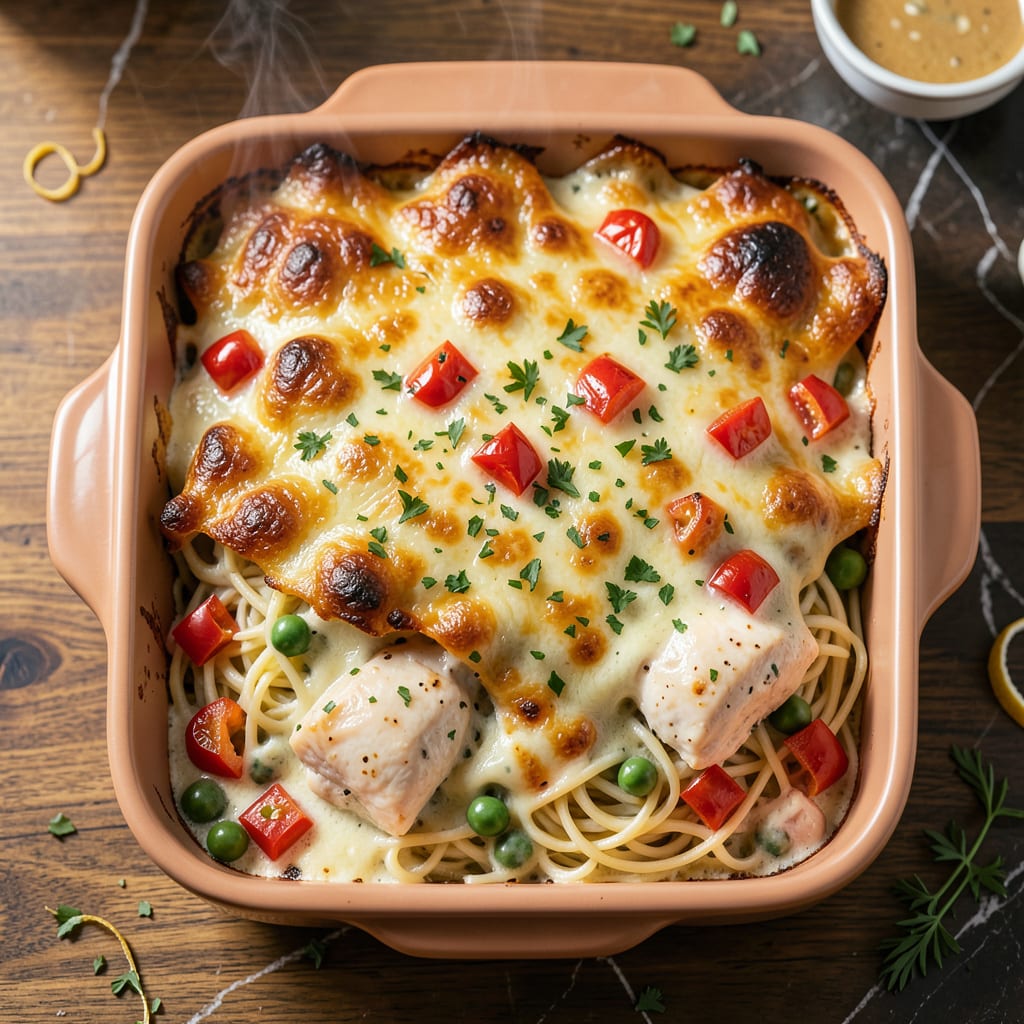
I’ll be real with you: forgetting to thaw your casserole before dinner doesn’t have to mean takeout. After burning more frozen lasagnas than I’d like to admit, I finally cracked the code for cooking casseroles straight from the freezer—no thawing, no stress, just perfectly baked results every time.
Here’s the thing—it’s all about temperature and timing. You’ll need to adjust your oven to 325°F (lower than usual) and plan for about 50% more cooking time. This gentle heat lets the casserole warm through evenly without turning the edges to charcoal or leaving the center icy. I always use a meat thermometer to check for 165°F in the center—no guesswork, no surprises.
The method works for everything from cheesy potato bakes to hearty tuna noodle casseroles. Just cover the dish tightly with foil for the first hour to trap steam, then uncover to let the top crisp up. What comes out of the oven is exactly what you’d get if you’d remembered to thaw it—bubbling, golden, and ready to serve.
Fair warning: this isn’t faster than thawing, but it’s a lifesaver when you’re short on time. I keep a stash of frozen casseroles just for these moments. Now you can too—no more last-minute dinner panic.
📚 In This Guide
- What You’ll Need
- Instructions
- Tips and Common Mistakes
What Youll Need
- ● Frozen casserole – 1 pre-assembled dish (9×13-inch or similar size, straight from the freezer 🥶).
- ● Oven – Conventional or convection (preheated to 325°F–350°F for even cooking).
- ● Oven-safe baking dish – Glass, ceramic, or metal (same size as casserole; avoid cold-to-hot temperature shocks).
- ● Aluminum foil – Heavy-duty, enough to fully cover the dish (prevents drying out).
- ● Oven mitts – Heat-resistant for safe handling.
- ○ Meat thermometer (optional but highly recommended for meat-based casseroles) – Ensures internal temp reaches 165°F. 🌡️
- ● Timer or smartphone – To track extended baking time (add 30–50% more than thawed recipes).
- ● Serving utensil – Spoon or spatula for scooping.
- ○ Cooling rack (optional) – Prevents soggy bottoms post-baking.
- ● Plastic wrap or lid (for leftovers) – If storing again, cool completely first.
Instructions
Here’s exactly how to bake your frozen casserole to golden perfection without any thawing required.
Preheat Your Oven Properly
Start by preheating your oven to 325°F. This lower temperature is crucial when cooking from frozen—it allows the center to heat through gently while the edges brown beautifully. I always recommend using the middle rack position for even heat distribution.
Give your oven at least 15-20 minutes to fully preheat. You’ll know it’s ready when the oven light turns off (if your model has one) or when an oven thermometer reads the correct temperature. This patience prevents that dreaded cold center while the top burns.
Prepare Your Casserole for Baking
Remove any plastic wrap or packaging from your frozen casserole, but leave it in the baking dish. If you notice any ice crystals on top, gently brush them off with a dry paper towel. These can create steam pockets that lead to soggy spots.
Cover the casserole tightly with aluminum foil, making sure to seal all edges completely. This creates a steam environment that helps the casserole heat evenly from the inside out. For extra protection against drying, I sometimes place a second piece of foil over the top, crimping the edges tightly.
Bake with Patience and Precision
Place your covered casserole in the preheated oven and bake for 1 hour. Then carefully remove the foil and check the center—it should be starting to bubble around the edges. If you’re cooking a particularly dense casserole (like lasagna), you might need an additional 15-20 minutes covered.
Once you remove the foil, continue baking for another 20-30 minutes until the top is golden brown and the center reaches 165°F when tested with an instant-read thermometer. I always check multiple spots to ensure even heating—especially important with frozen dishes.
Rest Before Serving
When your casserole looks perfectly browned and bubbly, remove it from the oven and let it rest for 10-15 minutes before serving. This resting time allows the internal temperature to even out and the sauce to thicken slightly—preventing that first-slice waterfall effect.
You’ll notice the edges pull away slightly from the dish during this rest, which is exactly what you want. I like to tent the casserole loosely with foil during this time to keep it warm while the flavors meld together. The wait is worth it—I promise the texture will be much better than if you cut right away.
Tips and Common Mistakes for Perfectly Baked Frozen Casseroles
After years of testing frozen casseroles straight from the freezer, I’ve learned these key details that make all the difference between a perfectly baked dish and a disappointing one.
Temperature Precision: The 325°F oven temperature in Step 1 isn’t arbitrary—it’s the sweet spot for even heating. I’ve found that anything higher risks burning the edges before the center warms through, while lower temperatures can leave you with a lukewarm middle. Use an oven thermometer to verify your oven’s accuracy, as many run 25-50°F hotter or cooler than their dial indicates. This small investment prevents the number one complaint I hear about frozen casseroles: that dreaded cold center.
Foil Technique: When covering your casserole in Step 2, don’t just lay the foil on top—actually crimp it tightly around the edges of the dish. I learned this the hard way after several attempts where steam escaped, leaving me with dry spots. The tight seal creates a mini steam oven that gently thaws the center during that initial 1 hour of baking. For extra insurance against drying, spray the foil’s inner side with cooking spray before covering—this prevents the top layer from sticking when you remove it.
The Uncovering Moment: That transition point in Step 3 when you remove the foil after the first 1 hour is critical. Look for these signs before uncovering: the edges should be bubbling gently, and when you carefully lift a corner of the foil, you should see condensation droplets on the underside. If you don’t see these signs, give it another 15 minutes covered. Rushing this step leads to that unfortunate scenario where the top burns before the center heats through.
Resting Wisdom: The 10-15 minute rest in Step 4 isn’t just about letting it cool—it’s when the magic happens. As the casserole sits, the residual heat continues to gently cook the center while the sauce thickens. I always set a timer for this step because it’s tempting to dive in early, but cutting too soon releases all the built-up steam and moisture, leaving you with a watery first serving. The edges will naturally pull away from the dish during this time, which makes serving cleaner and prevents that first-slice collapse.
Pro Tips for Cook Frozen Casserole Without Thawing
- After years of testing frozen casseroles straight from the freezer, I’ve learned these key details that make all the …
- Temperature Precision: The 325°F oven temperature in Step 1 isn’t arbitrary—it’s the sweet spot for even heating. I’v…
- Foil Technique: When covering your casserole in Step 2, don’t just lay the foil on top—actually crimp it tightly arou…
Frequently Asked Questions
Can I cook a frozen casserole in a slow cooker without thawing?
Yes, but it requires adjustments! Add 1-2 extra hours on low heat (or 30-60 minutes on high) and ensure the slow cooker is at least half full of liquid (broth, sauce, or water). Avoid overfilling—frozen blocks can cause uneven cooking. Always check the internal temp reaches 165°F before serving.
How much longer does it take to bake a frozen casserole vs. thawed?
Expect 50-100% more time. A 1-hour thawed casserole may need 90-120 minutes frozen. Cover with foil for the first 2/3 of cooking to prevent drying, then uncover to crisp. Pro tip: Use a meat thermometer to check doneness—edges may brown before the center cooks!
What if my casserole is still icy in the middle after baking?
No stress! Tent with foil and bake another 15-20 minutes at 350°F. If the top is over-browning, lower heat to 325°F. Avoid microwaving mid-bake—it creates hot spots. For stubborn ice, let it rest 10 minutes post-oven; residual heat often finishes the job.
Are there any casseroles I shouldn’t cook from frozen?
Avoid delicate ingredients like:
- Uncooked rice or pasta (they’ll stay crunchy).
- Raw eggs (risk of curdling).
- Leafy greens (they’ll turn to mush).
Can I use a toaster oven or air fryer for frozen casseroles?
Yes, but only for small portions (under 4 cups). Air fry at 300°F for 25-40 minutes, shaking halfway. Toaster ovens need 350°F for 45-60 minutes. Both methods risk drying—drizzle broth or cover with foil. Not ideal for deep dishes!
Cooking a frozen casserole without thawing is easier than you think! With the right temperature adjustments, extra time, and a few simple tricks, you can enjoy a deliciously baked meal straight from the freezer—no stress, no mess. 🍽️
Now that you’re equipped with the know-how, why not pick your favorite casserole recipe and give it a try? Whether it’s a cheesy pasta bake or a hearty veggie dish, your next effortless dinner is just an oven away! 😊

Trained in classic French technique but raised on slow-cooked ribs and spicy rubs, she blends culinary skill with smoke and soul.
- Recipe for Boneless Pork Chops in Cast Iron Skillet: Sear and Baste to Juicy Perfection - October 3, 2026
- Recipe for Boneless Cross Rib Roast: Slow-Roasted Beef with Herb Crust - October 3, 2026
- Hamburgers in Sauce Recipe Crock Pot: Slow-Cooked Savory Delight - October 3, 2026