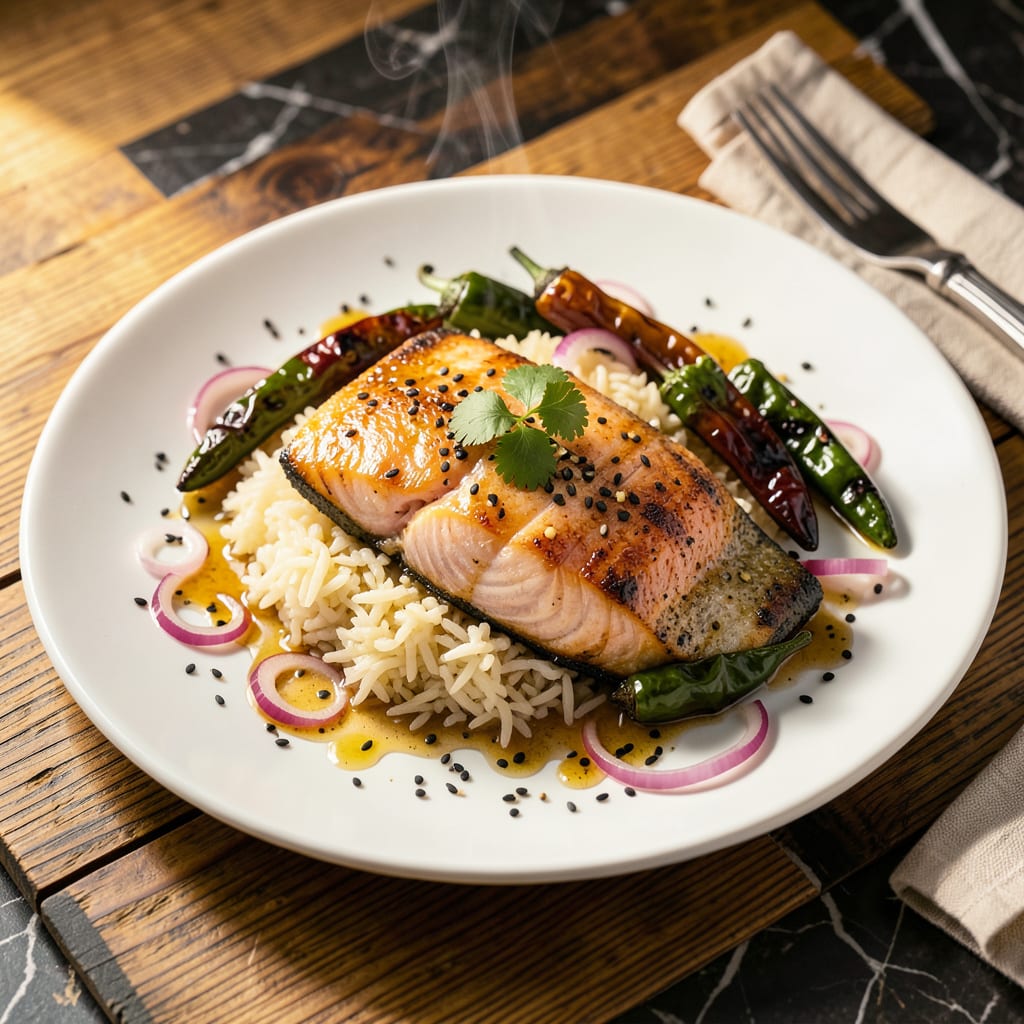
I’ll be real with you—most fish marinades either overpower the delicate flavor or turn your fillets to mush. This one changes everything. After years of experimenting (and a few disappointing dinners), I’ve landed on a foolproof blend that enhances without overwhelming. The secret? Balancing acidity, fat, and aromatics so your fish stays flaky while soaking up maximum flavor.
Here’s the thing—fish needs gentle handling. My marinade uses citrus for brightness, quality oil to protect the flesh, and just enough salt to season without drying it out. I add fresh herbs from my coastal foraging spots because they make all the difference. Thirty minutes is the sweet spot for most fillets; any longer and the acid starts “cooking” the fish before it hits the heat.
What you get is perfectly seasoned fish that holds its shape on the grill or in the pan. The marinade caramelizes slightly when cooked, creating those golden edges everyone loves. I use this for everything from delicate cod to meaty tuna steaks—it’s versatile enough for weeknight dinners or fancy seafood spreads.
Fair warning: once you try this, you’ll never go back to plain fish again. The flavors penetrate just enough to make every bite interesting without masking the natural taste. Keep it in your fridge for up to 3 days—though I doubt it’ll last that long.
📚 In This Guide
- What You’ll Need
- Instructions
- Tips and Common Mistakes
What Youll Need
- ● Fresh fish fillets (1–2 lbs, skin-on or skinless, like salmon, cod, or tilapia)
- ● Marinade base (½–1 cup total): Acid (¼ cup lemon juice, lime juice, vinegar, or wine)
- ● Oil (¼ cup olive, avocado, or sesame oil)
- ● Seasonings (2 tbsp soy sauce, 1 tbsp honey/maple syrup, or 1 tsp salt)
- ○ Aromatics & herbs (optional but highly recommended!): 2–3 garlic cloves (minced)
- ● 1 tbsp fresh herbs (dill, cilantro, or parsley)
- ● 1 tsp spices (paprika, cumin, or red pepper flakes)
- ● Tools: Mixing bowl (medium-sized, non-reactive like glass or stainless steel)
- ● Whisk or fork (for blending marinade)
- ● Resealable plastic bag or shallow dish (for marinating)
- ● Timer (to avoid over-marinating! ⏰)
- ○ Extras (optional): Plastic wrap (to cover dish if not using a bag)
- ● Meat thermometer (for perfect doneness later)
Step-by-Step Instructions for Marinating Fish
Here’s how to transform ordinary fillets into tender, flavorful masterpieces with minimal effort.
Select and Prepare Your Fish
Start with fresh, high-quality fillets that are firm to the touch and have a mild, clean ocean scent. I prefer thicker cuts like salmon, cod, or mahi-mahi for marinating—they hold up better to the process. Rinse the fillets under cold water and pat them completely dry with paper towels. This is crucial because excess moisture prevents the marinade from properly adhering to the fish.
Check for any remaining pin bones by running your fingers gently over the surface. Use clean tweezers or fish pliers to remove any you find. The fillets should be about 1 inch thick for optimal marinating—thinner pieces can become mushy if left too long, while thicker cuts might not absorb flavors evenly.
Create Your Flavor Base
In a medium bowl, combine your chosen acidic component (like lemon juice or vinegar) with oil in a 1:2 ratio. I always use freshly squeezed citrus juice for brightness and quality olive oil for richness. Whisk them together until fully emulsified—this creates the foundation that will carry all your flavors into the fish.
Add your aromatics next: minced garlic, fresh herbs, or spices. For delicate fish, I recommend 30 minutes of marinating time with these ingredients to prevent overpowering. The mixture should be thick enough to coat the back of a spoon but still pourable. Taste and adjust the balance—you want it slightly more intense than your final desired flavor since some will be lost during cooking.
Marinate with Care and Precision
Place the fish fillets in a single layer in a glass or ceramic dish. Pour the marinade over them, turning to coat completely. For even coverage, I like to use my hands to gently massage the marinade into the flesh. Cover the dish with plastic wrap and refrigerate. Here’s the critical timing: delicate white fish need only 15-30 minutes, while firmer fish like tuna or salmon can handle 30-60 minutes.
Don’t be tempted to marinate longer—fish flesh is delicate and the acids will begin to “cook” it, resulting in a mushy texture. The fish is ready when the surface appears slightly glossy but hasn’t changed color. You’ll notice the edges might look slightly translucent—that’s perfect. If you see the flesh starting to whiten or flake, it’s over-marinated.
Cook for Maximum Flavor Retention
Remove the fish from the marinade and let any excess drip off. Don’t rinse it—you want to preserve those flavors. For grilling or broiling, I pat the surface dry with a paper towel first to ensure good browning. The fish will cook faster than you expect, usually 3-5 minutes per side depending on thickness, so have your serving plates ready.
Watch for the flesh to turn opaque and begin to flake when tested with a fork. The internal temperature should reach 145°F at the thickest part. I always use a meat thermometer for accuracy—overcooked fish loses all the beautiful moisture and flavor you’ve worked to develop. Serve immediately while the flavors are at their peak.
Tips and Common Mistakes
These practical insights will help you avoid the pitfalls I’ve seen even experienced cooks make when marinating fish.
Timing Precision: The marinating windows in Step 3 aren’t arbitrary – those 15-30 minutes for delicate fish and 30-60 minutes for firmer varieties are critical. I’ve ruined perfectly good fillets by leaving them too long, thinking “more time equals more flavor.” The acids actually start breaking down the proteins after the recommended times, turning your beautiful fish mushy. Set a timer and stick to it religiously.
Flavor Balance Secret: When creating your marinade in Step 2, remember that 1:2 acid-to-oil ratio is your flavor foundation. I always taste the marinade before adding the fish – it should be slightly more intense than you want the final dish to be, since some flavor will cook off. If it tastes perfect in the bowl, it’ll be too mild on the fish. Don’t be shy with those aromatics!
Texture Preservation: The 1-inch thickness mentioned in Step 1 isn’t just a suggestion – it’s your insurance against over-marinating. Thinner fillets become waterlogged and fall apart, while thicker pieces might not absorb flavors evenly. When shopping, I actually bring a small ruler to check thickness. It’s made all the difference in getting consistently perfect results.
Cooking Transition: Those 3-5 minutes per side in Step 4 will fly by faster than you expect. Here’s what I do: have everything ready before the fish hits the pan – plates warmed, garnishes prepped, sauces at the table. Fish continues cooking slightly after you remove it from heat, so pull it when it’s just turning opaque at the center. That final degree of doneness happens while it’s resting.
Pro Tips for Marinate Fish
- These practical insights will help you avoid the pitfalls I’ve seen even experienced cooks make when marinating fish.
- Timing Precision: The marinating windows in Step 3 aren’t arbitrary – those 15-30 minutes for delicate fish and 30-60…
- Flavor Balance Secret: When creating your marinade in Step 2, remember that 1:2 acid-to-oil ratio is your flavor foun…
Frequently Asked Questions
How long should I marinate fish for best flavor without overdoing it?
Most fish only needs 15–30 minutes in the marinade—delicate fillets (like cod or tilapia) can turn mushy if left longer. Pro tip: Oily fish (salmon, tuna) handle up to 1 hour, while acidic marinades (lemon, vinegar) should max out at 20 minutes to avoid “cooking” the fish prematurely.
Can I reuse fish marinade after raw fish has been in it?
No! Raw fish marinade is a bacteria risk. If you want to use it as a sauce, boil it for at least 3–5 minutes first to kill pathogens. Better yet, set aside extra marinade before adding fish for basting or dipping.
What’s the best marinade for fish if I don’t like strong flavors?
Stick to mild bases like olive oil + fresh herbs (dill, parsley) or a soy sauce + honey + ginger mix. Skip overpowering ingredients like garlic (can bitter) or chili (can dominate). A splash of white wine or coconut milk adds subtle depth without overwhelming.
Why does my marinated fish taste bland or too salty?
Bland? Pat fish dry before marinating—excess moisture dilutes flavors. Too salty? Rinse briefly under cold water (if time allows) or balance with a sweet glaze (like honey or teriyaki) before cooking. Always taste your marinade before adding fish!
Are there quick alternatives if I don’t have time to marinate?
Try a dry rub (salt + spices) 10 minutes before cooking, or brush fish with flavored oil (garlic-infused, chili oil) just before searing. For instant flavor, top cooked fish with a bright salsa, chimichurri, or citrus butter—no marinating needed!
Marinating fish is your ticket to juicier, more flavorful fillets—without the fuss! 🍋 Whether you prefer zesty citrus, savory herbs, or bold spices, the right marinade transforms ordinary seafood into a restaurant-worthy dish. Remember: short marinating times and acid balance are key to keeping your fish tender, not tough.
Ready to dive in? Grab your favorite fillet, pick a marinade from our guide, and start experimenting tonight! For extra inspiration, check out our top 5 fish marinade recipes—your taste buds will thank you. 🎉

Trained in classic French technique but raised on slow-cooked ribs and spicy rubs, she blends culinary skill with smoke and soul.
- Recipe for Boneless Pork Chops in Cast Iron Skillet: Sear and Baste to Juicy Perfection - October 3, 2026
- Recipe for Boneless Cross Rib Roast: Slow-Roasted Beef with Herb Crust - October 3, 2026
- Hamburgers in Sauce Recipe Crock Pot: Slow-Cooked Savory Delight - October 3, 2026