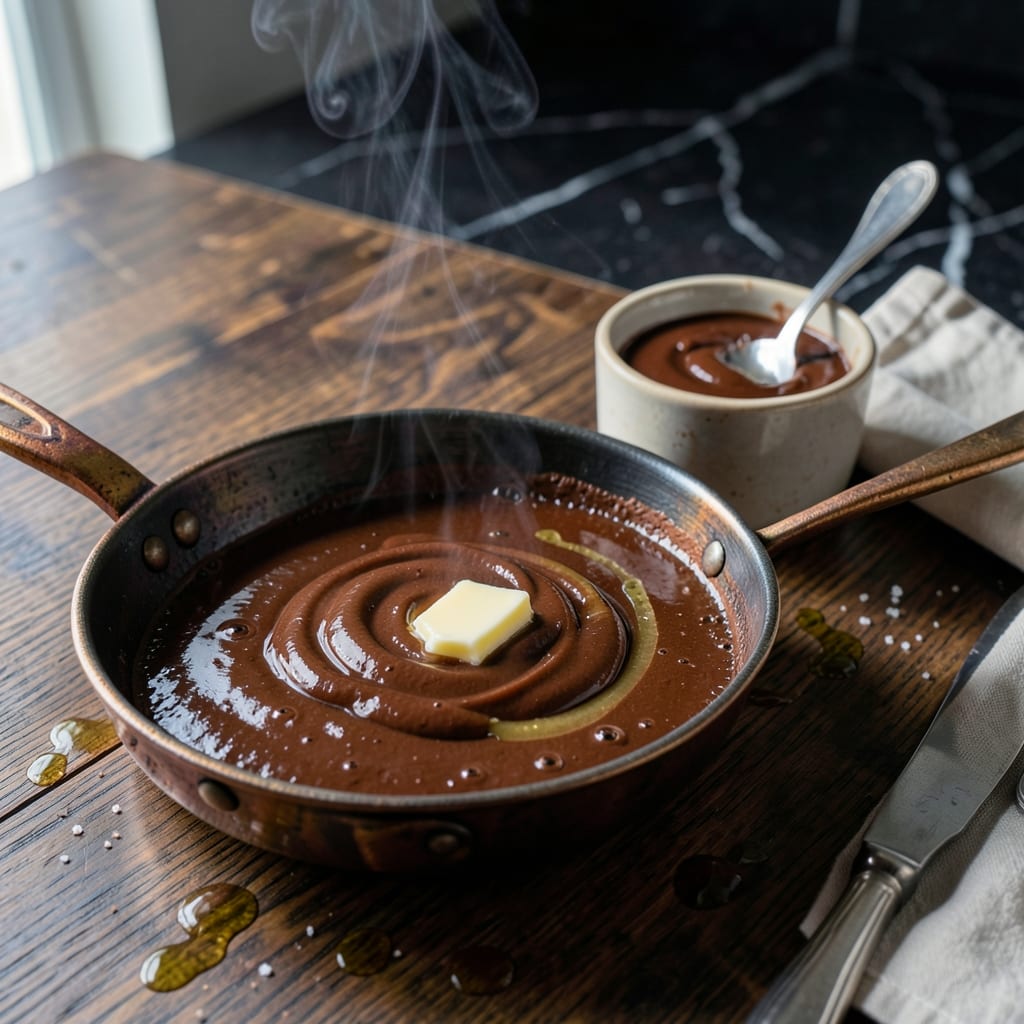
This sweet-tangy glaze transforms ordinary meatballs into a crowd-pleasing dish with minimal effort.
By combining grape jelly with barbecue sauce, you create a rich, balanced sauce that’s both versatile and foolproof. Perfect for parties or weeknight dinners.
Ingredients for Meatball Sauce Recipe with Grape Jelly and Barbecue
Sweet and tangy blend that turns plain meatballs into something everyone will love.
| Ingredient | Amount | Notes |
|---|---|---|
| Grape Jelly 🍇 | 1 cup | Smooth, no sugar-free |
| Barbecue Sauce 🍖 | 1 cup | Thick, hickory-smoked preferred |
| Apple Cider Vinegar 🍏 | 1 tbsp | Balances sweetness |
| Worcestershire Sauce 🫒 | 1 tsp | Adds depth of flavor |
| Garlic Powder 🧄 | ½ tsp | Enhances savory notes |
| Onion Powder 🧅 | ½ tsp | Complements sweetness |
| Black Pepper 🌶️ | ¼ tsp | Freshly ground preferred |
| Salt 🧂 | ¼ tsp | Adjust to taste |
[recipeingredientscaler]
The grape jelly is non-negotiable—Smucker’s or Welch’s are reliable. Look for the standard purple kind (not the reduced sugar, which can get weirdly thick). Most grocery stores stock it near the peanut butter. The barbecue sauce? Sweet Baby Ray’s is my go-to for this, but any thick, smoky sauce works. If you’re feeling fancy, grab a craft bottle from Whole Foods.
No grape jelly? Concord grape jam works the same. Out of barbecue sauce? Ketchup plus a dash of liquid smoke gets you close. The vinegar is key though—don’t skip it. Apple cider vinegar is ideal, but white vinegar in a pinch. The garlic and onion powder add that savory backbone, so use fresh if you’ve got it (just halve the amount).
This sauce keeps 10 days in the fridge in a sealed jar. Doubles easily—just scale everything up. Freeze for up to 3 months, but it might separate a bit when thawed. Stir it back together before using.
Why You’ll Love This Recipe
- Five Minute Mix: I dump everything—grape jelly, barbecue sauce, vinegar—into one pot and walk away.
- Sweet-Tangy Magic: The jelly and vinegar balance each other so well it tastes like I slaved over it.
- Crowd Pleaser: I’ve served this at potlucks, weeknight dinners, and even game day—always empty bowls.
- Stretches Far: One batch covers two meals for my family, and the leftovers taste even better the next day.
Step-by-Step Instructions for Meatball Sauce With Grape Jelly and Barbecue
This method transforms simple ingredients into a glossy, sweet-tangy glaze that clings to every bite.
Step 1: Combine the Jelly and Barbecue Base
In a medium saucepan, add the 1 cup Grape Jelly and 1 cup Barbecue Sauce. Place over medium heat and stir continuously until the jelly fully melts and the mixture becomes smooth.
You’ll notice the jelly breaks down quickly—keep stirring to prevent hot spots that could cause scorching. The sauce should look homogenous and slightly thickened, with no visible jelly lumps. This base provides the perfect sweet foundation for the tangy elements to come.
Step 2: Add the Acidic and Savory Components
Reduce heat to medium-low and stir in the 1 tbsp Apple Cider Vinegar, 1 tsp Worcestershire Sauce, 0.5 tsp Garlic Powder, and 0.5 tsp Onion Powder. These ingredients cut through the sweetness and add depth.
The vinegar and Worcestershire will create a subtle tang that balances the sugar, while the garlic and onion powders provide a savory backbone. Stir for 2-3 minutes until the sauce begins to simmer gently and the flavors meld together. You should see small bubbles forming at the edges.
Step 3: Season and Simmer to Perfection
Sprinkle in the 0.25 tsp Black Pepper and 0.25 tsp Salt. Stir well to distribute the seasonings evenly throughout the sauce. At this point, the mixture should be glossy and slightly thickened, with a rich, complex aroma.
Let the sauce simmer for an additional 5-7 minutes on low heat, stirring occasionally. The sauce will reduce slightly and develop a deeper, more concentrated flavor. Taste and adjust the salt if needed, but remember the barbecue sauce already contains sodium.
Step 4: Finish and Serve
Remove the sauce from the heat and let it cool for 2-3 minutes. The sauce should coat the back of a spoon with a glossy sheen. If it’s too thick, you can thin it slightly with a splash of water, but it should be perfect as is for coating meatballs.
Pour the warm sauce over cooked meatballs and toss gently to coat evenly. The sauce will thicken further as it cools, creating a sticky, finger-licking glaze. Serve immediately while the sauce is still warm and fluid, ensuring every meatball gets an even coating.
Pro Tips For Making Meatball Sauce Recipe With Grape Jelly And Barbecue
- Simmer Low and Slow: Keep the heat at a gentle simmer—boiling the grape jelly and barbecue sauce will make it separate and lose that glossy finish. I learned this the hard way after my first batch turned into a thin, oily mess.
- Strain the Jelly: Run the grape jelly through a fine-mesh strainer if it has seeds or lumps—this guarantees a silky-smooth sauce that clings to meatballs instead of sliding off.
- Balance the Sweetness: Taste before serving and add a splash more apple cider vinegar if the sauce tastes too sweet. The vinegar cuts through the jelly’s sugar and brightens the whole dish.
- Bloom the Garlic: Toast the garlic powder in the pan for 10-15 seconds before adding liquids—it wakes up the flavor and prevents that raw, chalky aftertaste. Sounds small, but it actually changes the outcome.
Dietary Considerations for This meatball sauce recipe with grape jelly and barbecue
Keto-Friendly Options
To make this sauce keto-friendly, replace grape jelly with a sugar-free jelly or a keto-friendly sweetener like allulose or erythritol. Additionally, use a sugar-free barbecue sauce to keep the carb count low.
Gluten-Free
This recipe can easily be adapted for a gluten-free diet. Ensure your barbecue sauce and grape jelly are certified gluten-free, as some brands may contain hidden gluten. Also, check meatball ingredients for breadcrumbs or fillers.
Allergens
Common allergens in this recipe may include soy (in barbecue sauce) or sulfites (in grape jelly). Always read labels carefully and opt for allergen-free alternatives if needed. For nut allergies, confirm no cross-contamination in jelly or sauce.
Vegetarian Modifications
To make this sauce vegetarian, use plant-based meatballs instead of traditional ones. The sauce itself is typically vegetarian, but verify that the barbecue sauce and jelly contain no animal-derived ingredients like gelatin.
Low-Sodium
For a low-sodium version, choose low-sodium barbecue sauce and no-salt-added grape jelly. You can also reduce added salt in the recipe and boost flavor with herbs like garlic, onion powder, or smoked paprika.
Nutrition Facts

Trained in classic French technique but raised on slow-cooked ribs and spicy rubs, she blends culinary skill with smoke and soul.
- Recipe for Boneless Pork Chops in Cast Iron Skillet: Sear and Baste to Juicy Perfection - October 3, 2026
- Recipe for Boneless Cross Rib Roast: Slow-Roasted Beef with Herb Crust - October 3, 2026
- Hamburgers in Sauce Recipe Crock Pot: Slow-Cooked Savory Delight - October 3, 2026