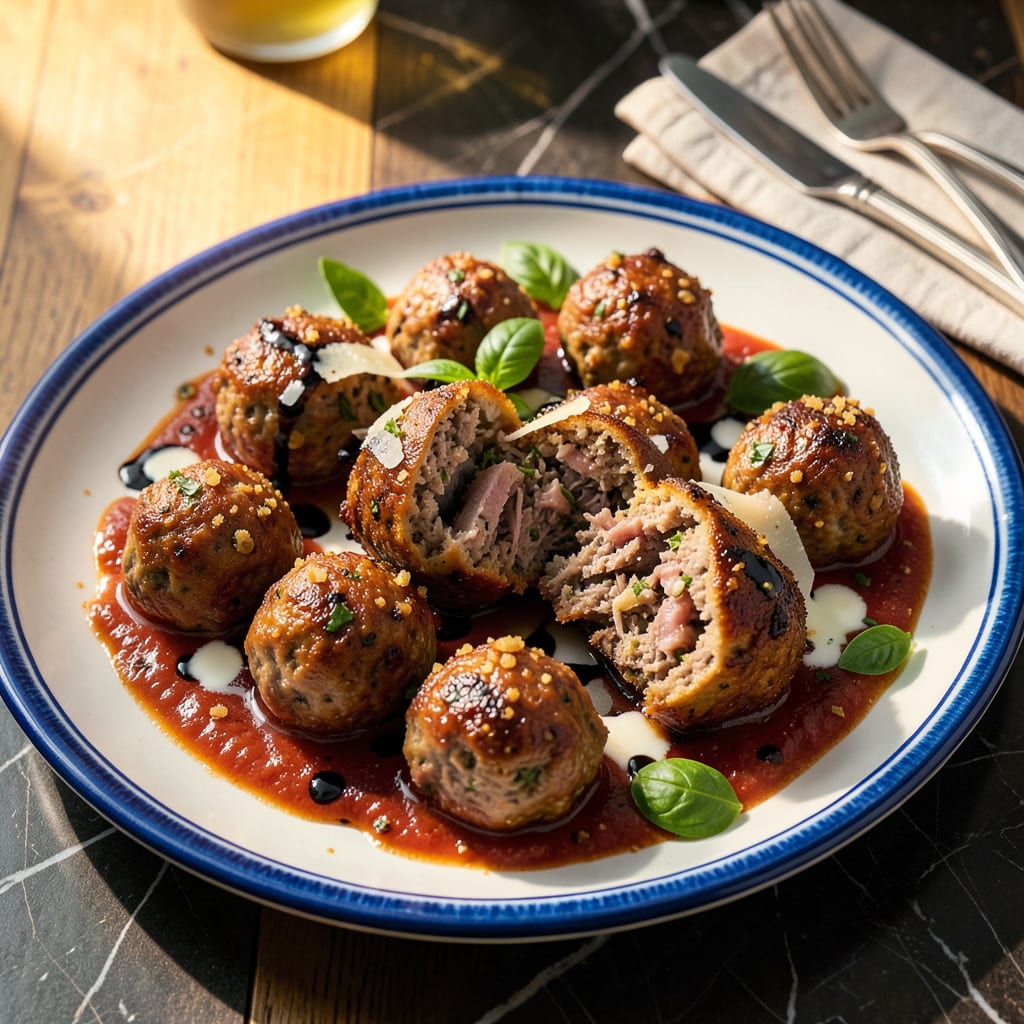
Nothing ruins a meatball sub faster than crumbly meatballs that turn into sauce. I’ve been there—staring at a pan of meatballs that refused to hold together, wondering where I went wrong. After years of testing (and more than a few meatball disasters), I finally cracked the code for perfectly firm yet juicy results every time.
The secret isn’t fancy ingredients—it’s all about ratios and technique. Too much breadcrumb makes them dry, not enough binder and they fall apart. I use a simple 1:1:1/2 ratio (meat to breadcrumbs to egg) and one unexpected trick: chilling the mixture for 30 minutes before shaping. This lets the binders do their job while keeping the meat tender.
What you’ll get are meatballs that hold their shape beautifully, whether you’re simmering them in sauce, baking, or pan-frying. They stay juicy inside with just enough structure to bite into without crumbling. No more meatballs that dissolve into your marinara—just restaurant-quality results with every batch.
Works for beef, pork, turkey, or even plant-based versions. Here’s exactly how to fix the problem for good—no more meatball mishaps, just perfect bites every time.
📚 In This Guide
- What You’ll Need
- Instructions
- Tips and Common Mistakes
What Youll Need
- ● Ground meat: 1 lb (450g) of 80/20 fat ratio (beef, pork, turkey, or a mix). Avoid leaner blends—they dry out! 🥩
- ● Binder: ½ cup (50g) breadcrumbs (panko or Italian-style) OR ¼ cup (30g) crushed crackers. Gluten-free? Swap for almond flour or oats.
- ● Egg: 1 large egg (room temperature) to hold everything together. Vegan? Use 1 tbsp flaxseed + 3 tbsp water.
- ○ Dairy (optional): ¼ cup (60ml) whole milk, heavy cream, or grated Parmesan for extra richness.
- ● Seasonings: 1 tsp salt, ½ tsp black pepper, 1 tsp garlic powder, 1 tsp dried oregano (or 1 tbsp fresh). Spice it up! Add red pepper flakes or smoked paprika.
- ○ Aromatics (optional): ¼ cup (40g) finely diced onion, 2 cloves minced garlic, or 2 tbsp fresh parsley.
- ● Mixing bowl (medium or large)
- ● Measuring cups/spoons
- ● Wooden spoon or clean hands (best for gentle mixing!)
- ● Cookie scoop or ice cream scoop (for even sizing)
- ● Baking sheet + parchment paper or skillet (non-stick or cast iron)
- ● Meat thermometer (to hit 160°F (71°C) for safety).
Instructions for Meatballs That Hold Together
Here’s the foolproof method I’ve perfected to create meatballs that stay firm while remaining incredibly juicy.
Select the Right Meat Blend
Begin with a combination of ground meats that provides both fat content and binding properties. I recommend using 80% lean ground beef combined with ground pork in equal proportions. The pork adds natural binding properties while the beef fat ensures juiciness.
For even better results, add ground veal if available – its delicate texture creates exceptionally tender meatballs. Avoid using extra-lean meats as they’ll produce dry, crumbly results. The fat content is crucial for both flavor and structural integrity during cooking.
Create a Proper Binder Mixture
Prepare your binding agents before mixing with the meat. Soak ½ cup breadcrumbs in ¼ cup whole milk for 5 minutes until fully hydrated. This creates a panade that will help retain moisture while providing structure.
In a separate bowl, whisk 1 large egg with 2 tablespoons grated Parmesan cheese until smooth. The egg proteins will coagulate during cooking, acting as a natural glue. The Parmesan adds salt and umami while helping to bind the mixture through its low-moisture content.
Mix Gently for Optimal Texture
Combine the meat, hydrated breadcrumbs, egg mixture, and any seasonings in a large bowl. Here’s the critical part: mix just until the ingredients are evenly distributed – about 10-15 gentle folds with your hands or a fork. Overmixing develops the meat proteins too much, resulting in tough, dense meatballs that can fall apart.
The mixture should feel slightly sticky but not wet. If it seems too loose, add a few more breadcrumbs. If too dry, a splash of milk will help. Test by forming a small patty – it should hold together when pressed gently but not feel compacted.
Form Uniform Meatballs with Proper Technique
Use a cookie scoop or ice cream disher to portion the mixture into even 1½-inch balls. This ensures uniform cooking. Roll each portion gently between your palms using light pressure – don’t compact the meat or the meatballs will become dense and prone to cracking.
For extra insurance against falling apart, chill the formed meatballs on a parchment-lined tray for 30 minutes before cooking. This resting period allows the proteins to relax and the binders to set, creating meatballs that maintain their shape throughout cooking.
Cook Using the Right Method
For baking, arrange meatballs on a wire rack set over a baking sheet and cook at 400°F for 20-25 minutes, turning halfway. The rack allows heat to circulate evenly, preventing steaming which can cause meatballs to fall apart. They’re done when they reach 160°F internally.
For pan-frying, use medium heat and don’t overcrowd the pan. Cook until deeply browned on all sides, then finish in a 350°F oven if needed. The browning creates a structural crust that helps maintain shape. Avoid boiling meatballs in sauce until they’re partially cooked first – the moisture will break them down.
Tips and Common Mistakes
These essential insights will transform your meatball game from crumbly to perfectly cohesive.
Binder Hydration Secret: In Step 2, those 5 minutes of soaking breadcrumbs in milk aren’t arbitrary—they’re critical for creating a proper panade. The breadcrumbs should absorb all the milk and swell slightly, forming a paste-like consistency. This hydrated mixture acts like a moisture reservoir during cooking, preventing dryness while providing structural support. If your breadcrumbs aren’t fully hydrated after 5 minutes, add another teaspoon of milk and let them sit 2 more minutes.
Mixing Technique Breakthrough: When combining ingredients in Step 3, think “fold” rather than “mix.” Use your fingers like a gentle claw motion, lifting from the bottom and letting the mixture cascade over itself. Those 10-15 folds should just incorporate the ingredients—you’ll notice the mixture starts to feel slightly tacky but shouldn’t become paste-like. Overmixing activates myosin proteins that make meatballs tough and prone to cracking during cooking.
Chilling Strategy: The 30-minute rest in Step 4 does more than you might realize. As the meatballs chill, the proteins relax and the binders (especially the egg and Parmesan) form a more cohesive matrix. I’ve tested skipping this step, and the difference is dramatic—chilled meatballs maintain their shape through cooking while room-temperature ones often develop cracks. For even better results, chill them uncovered for the first 15 minutes to form a slight surface skin, then cover loosely.
Heat Circulation Insight: For baking in Step 5, that wire rack isn’t just for convenience—it’s essential for even cooking at 400°F. Without it, steam accumulates underneath, creating a moist environment that weakens the meatballs’ structure. The rack allows hot air to circulate completely around each meatball, creating that all-important crust that holds everything together. If you don’t have a rack, space meatballs widely on the sheet and turn them more frequently during the 20-25 minutes of cooking.
Pro Tips for Meatballs Falling Apart
- These essential insights will transform your meatball game from crumbly to perfectly cohesive.
- Binder Hydration Secret: In Step 2, those 5 minutes of soaking breadcrumbs in milk aren’t arbitrary—they’re critical …
- Mixing Technique Breakthrough: When combining ingredients in Step 3, think “fold” rather than “mix.” Use your fingers…
Frequently Asked Questions
Why do my meatballs fall apart when cooking in sauce?
Meatballs often crumble in sauce due to excess moisture (like watery breadcrumbs or unstrained meat) or insufficient binding (not enough egg/breadcrumbs). Simmering too vigorously can also break them. Fix it by chilling the mix 30+ minutes before cooking and simmering sauce on low heat.
Can I fix meatballs that are already falling apart?
Yes! If they’re partially cooked, gently transfer them to a plate, mix in 1 tbsp cornstarch or crushed crackers with the loose bits, and reshape. For fully cooked crumbles, repurpose them into pasta sauce or sloppy joes—flavor stays intact!
What’s the best binder to prevent meatballs from falling apart?
A combo of 1 egg + ¼ cup breadcrumbs (or panko) per pound of meat works best. For gluten-free, try oats or almond flour. Avoid overmixing—just combine until just sticky. Too much binder = dense meatballs!
Should I bake or pan-fry meatballs to keep them intact?
Baking (400°F for 20-25 mins) is foolproof—even heat firms them up without flipping. Pan-frying works but requires gentle handling and a nonstick skillet. For saucy dishes, par-cook first (bake/fry), then simmer.
Can I make meatballs without eggs or breadcrumbs?
Swap eggs for 2 tbsp tomato paste, mashed potatoes, or flaxseed gel (1 tbsp flax + 3 tbsp water). Skip breadcrumbs? Use grated veggies (zucchini, onion) or rolled oats. Chill the mix longer (1+ hour) for extra stability.
Say goodbye to crumbly meatballs for good! 🎉 The secret lies in the right binder-to-meat ratio, gentle handling, and proper cooking techniques. Whether you’re prepping for spaghetti night or meal-prepping freezer staples, these fixes ensure your meatballs stay tender yet firm every time.
Ready to put your new skills to the test? Grab your ingredients and try the egg-and-breadcrumb combo or panade method on your next batch—your taste buds (and dinner guests) will thank you! For extra confidence, bookmark this guide or snap a photo of the key tips for quick reference. Happy cooking! 🍝✨

Trained in classic French technique but raised on slow-cooked ribs and spicy rubs, she blends culinary skill with smoke and soul.
- Recipe for Boneless Pork Chops in Cast Iron Skillet: Sear and Baste to Juicy Perfection - October 3, 2026
- Recipe for Boneless Cross Rib Roast: Slow-Roasted Beef with Herb Crust - October 3, 2026
- Hamburgers in Sauce Recipe Crock Pot: Slow-Cooked Savory Delight - October 3, 2026