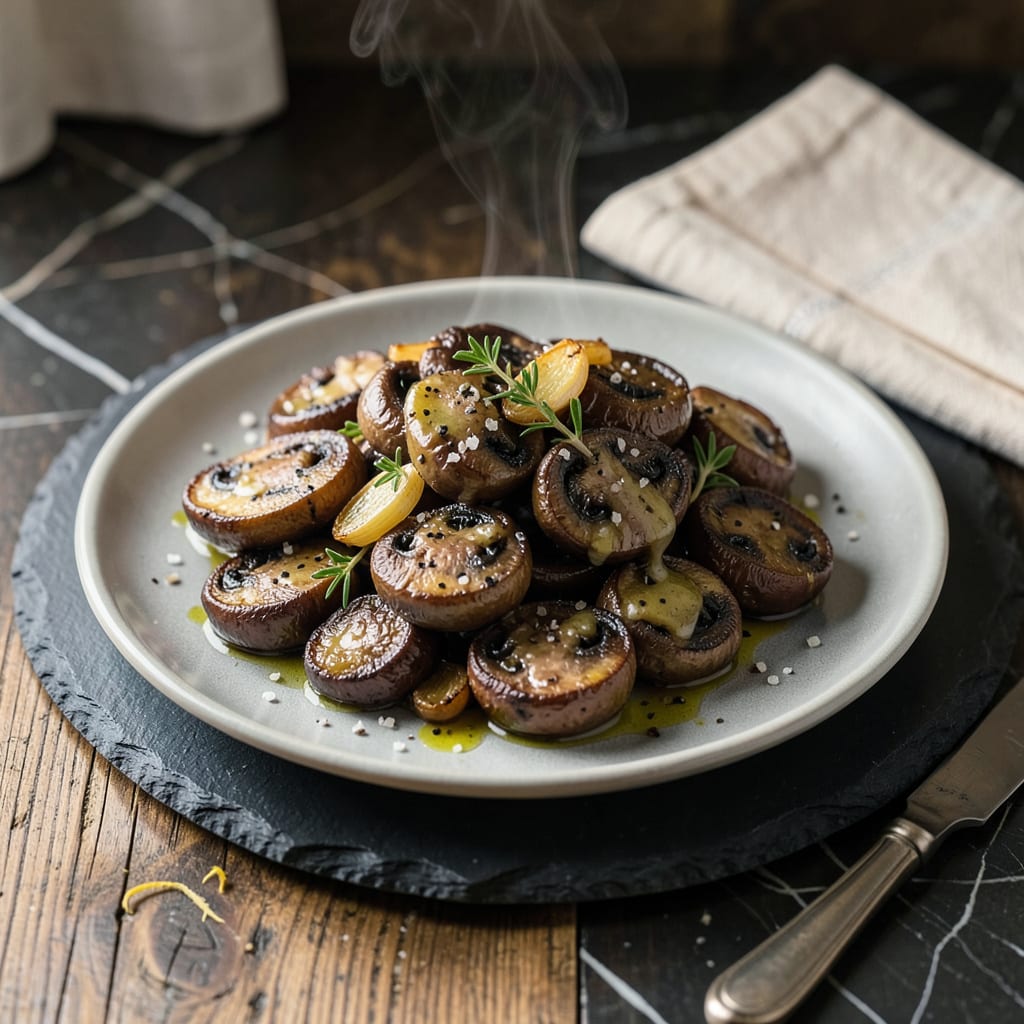
Place cleaned, sliced mushrooms in a microwave-safe dish with a splash of water or oil. Cover loosely and microwave on high for 2-4 minutes, stirring halfway. Drain excess liquid for best texture and flavor.
This method works because microwaves rapidly cook mushrooms while preserving their natural umami richness. 🔥 The steam created under the loose cover softens the fibers without leaching out flavor like boiling does. I always recommend patting mushrooms dry first—excess moisture leads to sogginess rather than that ideal tender bite. A quick drain after cooking removes the water released during heating, concentrating the earthy taste.
💡 In This Article
- Why Microwaving Mushrooms Preserves Flavor and Nutrition
- Best Mushroom Types and Seasonings for Microwaving
Why Microwaving Mushrooms Preserves Flavor and Nutrition
Microwaving mushrooms uses electromagnetic waves to agitate water molecules directly within the cells, creating steam that cooks them from the inside out. This rapid, even heating preserves 80-90% of water-soluble vitamins like riboflavin and niacin that would leach into boiling water.
The process takes just 2-4 minutes compared to 10+ minutes for stovetop methods, minimizing nutrient degradation from prolonged heat exposure. ✨
Unlike sautéing that can reach 350-400°F, microwaving typically stays below 212°F (water’s boiling point), preventing the breakdown of heat-sensitive compounds like ergothioneine—mushrooms’ unique antioxidant. The loose cover traps just enough steam to soften cell walls without over-saturating them.
I’ve found this maintains that satisfying “bite” while conventional boiling turns them mushy by breaking down pectin structures too aggressively.
Moisture control is everything with mushrooms, which are 90% water by weight. The microwave’s efficiency means less added liquid is needed—just 1-2 tablespoons versus cups for steaming. This prevents the dilution of natural glutamates that give mushrooms their umami punch. The quick drain afterward removes the released liquid that would otherwise waterlog the final texture.
🔥
Comparatively, steaming loses about 15% more B vitamins through leaching, while high-heat sautéing can degrade up to 30% of antioxidants. Microwaving also uses 70% less energy than stovetop methods—a win for both nutrition and efficiency. The key is using a large, shallow dish to allow even exposure rather than stacking, which creates cold spots.
For maximum flavor retention, I recommend adding aromatics like garlic or thyme after microwaving rather than before. This prevents their volatile oils from evaporating in the steam. A quick toss in a hot pan for 30 seconds post-microwave can develop maillard reactions if you want extra depth without sacrificing the nutritional advantages. 🌟
The microwave’s ability to cook mushrooms in their own juices also concentrates their natural sodium and potassium content. This makes them taste saltier without added sodium—a boon for those watching their intake. The method particularly excels with delicate varieties like enoki or oyster mushrooms that would collapse under other cooking methods.

Trained in classic French technique but raised on slow-cooked ribs and spicy rubs, she blends culinary skill with smoke and soul.
- Recipe for Boneless Pork Chops in Cast Iron Skillet: Sear and Baste to Juicy Perfection - October 3, 2026
- Recipe for Boneless Cross Rib Roast: Slow-Roasted Beef with Herb Crust - October 3, 2026
- Hamburgers in Sauce Recipe Crock Pot: Slow-Cooked Savory Delight - October 3, 2026