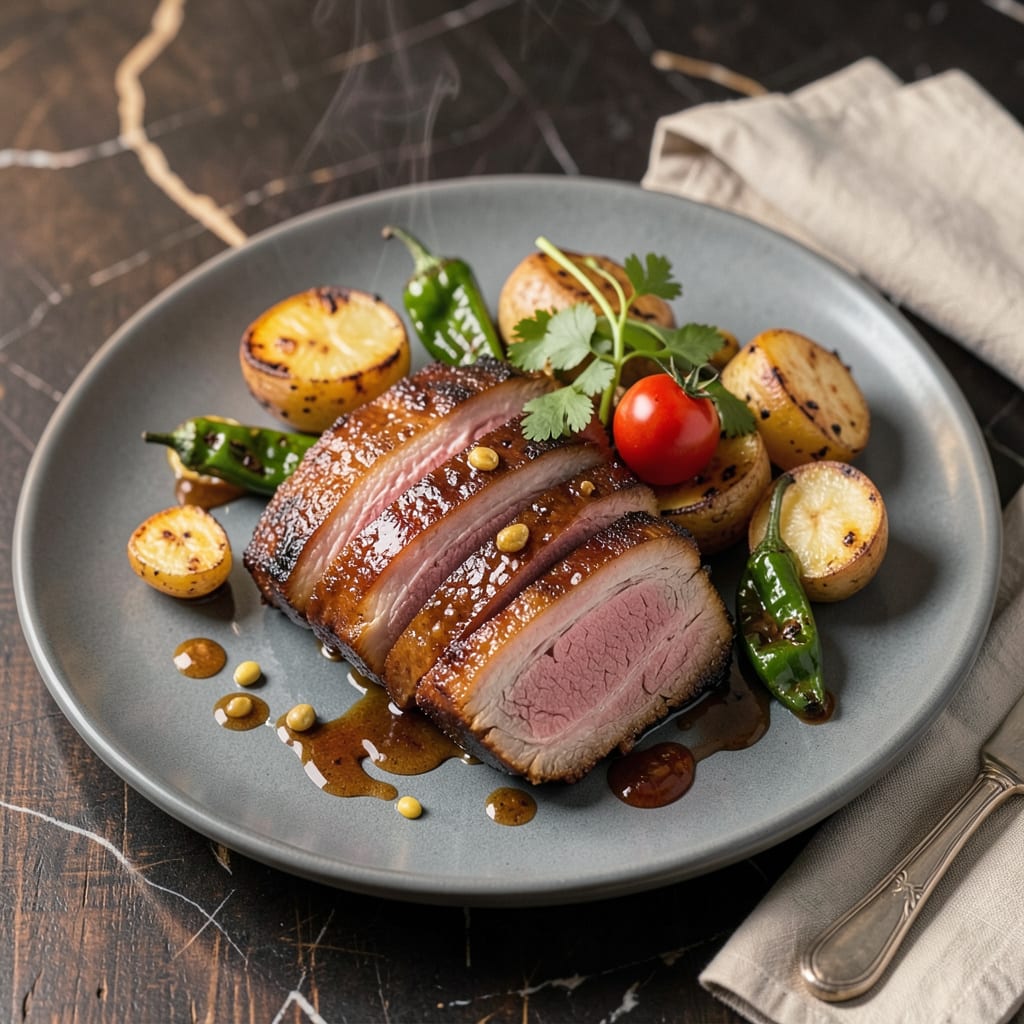
Pork jowls are the cured or fresh cheek meat from a pig’s head, prized for their rich, fatty flavor and tender yet slightly chewy texture. They’re a staple in Southern, Italian, and Asian cuisines—often smoked, braised, or fried for dishes like guanciale, burnt ends, or crispy appetizers.
What makes jowls special is their perfect balance of fat and connective tissue, which breaks down beautifully during slow cooking. 🔥 I love how they transform—whether rendered into crispy cracklings or braised until fork-tender. The high collagen content means they add incredible body to broths and stews, while the fat cap ensures they stay juicy even when fried. This cut is a game-changer for anyone looking to elevate their charcuterie board or add depth to comfort food classics.
💡 In This Article
- Why Pork Jowls Are a Culinary Secret Weapon
- Step-by-Step Guide to Cooking Pork Jowls Like a Pro
Why Pork Jowls Are a Culinary Secret Weapon
What sets jowls apart is their extraordinary fat-to-meat ratio—typically 60-70% fat with rich marbling that renders down during cooking. This isn’t just any fat; it’s intramuscular fat interwoven with collagen-rich connective tissue that melts at 160-180°F, creating that signature unctuous mouthfeel.
The cheek muscles get constant exercise as pigs chew, developing a dense fiber structure that breaks down into gelatin when slow-cooked, giving dishes incredible body and richness. 🔥
Compare this to pork belly (which has fat layers but less connective tissue) or shoulder (which has more muscle fibers). Jowls offer the best of both worlds: the decadence of belly with the textural transformation of shoulder.
When smoked low-and-slow at 225°F for 6-8 hours, the fat renders while the collagen converts to gelatin, creating that perfect balance of crispy exterior and silky interior. In Italian curing, they become guanciale through a 3-4 week salt-and-spice process that concentrates flavors while preserving the fat’s creamy quality.
The cultural significance runs deep. In Southern BBQ, jowl “burnt ends” develop a caramelized crust from the sugar in dry rubs reacting with the rendered fat at 300°F+. Meanwhile, in Sichuan cuisine, thin slices are flash-fried to create crispy “jowl chips” that absorb chili oil like flavor sponges.
I’ve found they take on smoke flavors more intensely than other cuts due to their fat content acting as a flavor carrier—try hickory for sweetness or pecan for nuttiness. ✨
Here’s what most home cooks miss: the fat cap isn’t just for flavor—it’s functional. When braised, it creates a natural basting system that keeps the meat moist for hours. For crispy preparations, scoring the fat in a 1/4-inch crosshatch pattern helps it render evenly while creating more surface area for seasoning adhesion.
The key is patience—whether you’re smoking, confiting, or frying, the magic happens when you let the fat and collagen work their alchemy.
Pro tip: Look for jowls with at least 1/2-inch fat cap for best results. The thicker fat layer means more self-basting during cooking and better texture contrast. When buying fresh, the meat should be firm with creamy white fat (not yellowed), and cured versions should have an even, dry exterior—signs of proper aging and handling.
💫
What truly makes jowls special is their chameleon-like quality. They can star as the main protein in a rich ragu, add umami depth to ramen broth, or steal the show as crispy bar snacks.
The same cut that melts into Southern red-eye gravy can also stand up to bold Asian flavors like black bean sauce or Korean gochujang glaze. This versatility comes from their unique composition—no other pork cut delivers this combination of fat, collagen, and muscle fiber in one package.
I’ll never forget the first time I rendered jowl fat for confit—the way it transformed from solid to liquid gold at 275°F, then firmed up again when chilled, creating the most luxurious cooking fat imaginable. That experience taught me why chefs guard their jowl sources so fiercely.
Whether you’re a pitmaster, a pasta lover, or a dumpling enthusiast, mastering this cut will change how you think about pork entirely. ⚡

Trained in classic French technique but raised on slow-cooked ribs and spicy rubs, she blends culinary skill with smoke and soul.
- Recipe for Boneless Pork Chops in Cast Iron Skillet: Sear and Baste to Juicy Perfection - October 3, 2026
- Recipe for Boneless Cross Rib Roast: Slow-Roasted Beef with Herb Crust - October 3, 2026
- Hamburgers in Sauce Recipe Crock Pot: Slow-Cooked Savory Delight - October 3, 2026