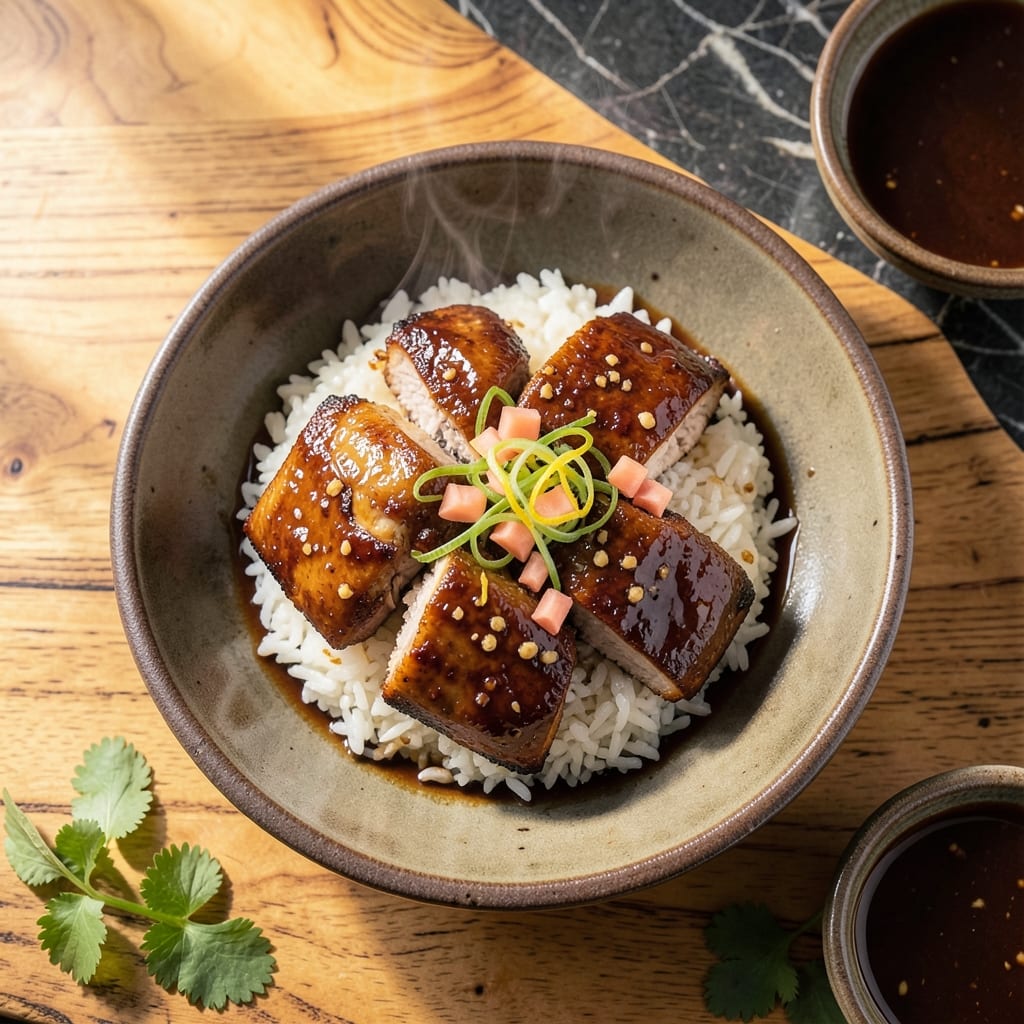
This island-inspired dish brings the flavors of Hawaii to your kitchen with a perfect balance of sweet and savory. The miso glaze creates a caramelized coating that elevates the pork to new heights.
What makes this recipe special is the combination of white miso paste, brown sugar, and soy sauce, creating a rich umami flavor profile. The pork is marinated to absorb maximum flavor before roasting.
You’ll end up with tender, juicy pork with a sticky, glossy glaze that caramelizes beautifully under the broiler. The result is a dish that’s both comforting and sophisticated.
Serve with steamed rice and fresh pineapple to complete the meal. Here’s how to make this Hawaiian-inspired creation.
Ingredients for Miso Pork Recipe Hawaii
Sweet meets savory with these island-inspired ingredients for a showstopper main dish.
| Ingredient | Amount | Notes |
|---|---|---|
| Pork Shoulder 🐷 | 2 lb | Boneless, cut into 2-inch chunks |
| White Miso Paste 🥣 | ½ cup | Fermented, smooth texture |
| Brown Sugar 🍯 | ½ cup | Light or dark variety |
| Soy Sauce 🫙 | ⅓ cup | Low-sodium preferred |
| Mirin 🍶 | ¼ cup | Sweet rice wine for glaze |
| Fresh Ginger Root 🌿 | 1 tbsp | Peeled and finely grated |
| Garlic Cloves 🧄 | 4 cloves | Minced for maximum flavor |
| Rice Vinegar 🍚 | 2 tbsp | For brightness and balance |
| Sesame Oil 🫒 | 1 tbsp | Toasted for nutty aroma |
| Green Onions 🧅 | 4 whole | Thinly sliced for garnish |
| Steamed Rice 🍚 | 2 cups | Cooked, for serving |
| Fresh Pineapple 🍍 | 2 cups | Cubed, for serving |
| Sesame Seeds 🌰 | 1 tbsp | Toasted for garnish |
| Vegetable Oil 🫒 | 1 tbsp | For searing pork |
[recipe_ingredient_scaler]
The pork shoulder is key here—look for well-marbled cuts at Whole Foods or your local butcher. White miso paste is essential (check the refrigerated section at Trader Joe’s or Asian markets). Don’t skimp on the mirin; Kikkoman’s aji-mirin is widely available and perfect. Fresh ginger and garlic make all the difference over the jarred stuff (just saying).
No white miso? Yellow miso at half the amount works in a pinch but will be saltier. Swap mirin for dry sherry plus a teaspoon of sugar. Out of brown sugar? Honey or maple syrup (use 25% less) can substitute. The pork can be swapped for chicken thighs—reduce cooking time by half. Green onions can be skipped, but they add that fresh pop.
Marinate the pork for up to 24 hours if you’ve got the time (overnight is ideal). Leftovers keep for 4 days in the fridge or freeze for 3 months. Reheat gently to keep the glaze sticky—microwave works but stovetop is better (worth the extra minute).
Why You’ll Love This Recipe
- One Pan Wonder: I just dump everything in a pan—pork shoulder, miso, soy sauce, mirin—and let the oven do the work.
- Umami Bomb: White miso paste and brown sugar create this deep, sweet-savory glaze that’s honestly addictive.
- Feeds a Crowd: Pork shoulder stretches far, so I make a big batch for leftovers or when the whole family’s over.
- Budget Friendly: Shoulder cuts are cheap, and a little miso goes a long way. Here’s what sold me—it tastes like a restaurant dish for pennies.
Step-by-Step Instructions for Miso Pork Hawaii
Here’s the method that brings authentic island flavor to your kitchen with minimal effort.
Step 1: Prepare the Miso Marinade
In a medium bowl, whisk together the 0.5 cup white miso paste, 0.5 cup brown sugar, 0.33 cup soy sauce, 0.25 cup mirin, 1 tbsp fresh ginger root, and minced 4 cloves garlic cloves until smooth. The miso should fully dissolve into the liquids, creating a thick, glossy glaze.
Add the 2 tbsp rice vinegar and 1 tbsp sesame oil, whisking again to incorporate. This balance of sweet, salty, and umami will transform the pork into something extraordinary. I always taste at this stage—adjust with a pinch more sugar if needed, but remember the flavors will concentrate during cooking.
Step 2: Sear and Coat the Pork
Heat the 1 tbsp vegetable oil in a large skillet over medium-high heat until shimmering. Add the 2 lb pork shoulder chunks in a single layer, leaving space between pieces. Sear undisturbed for 3-4 minutes per side until deeply browned—this builds a flavor foundation that the marinade will amplify.
Once all sides are seared, reduce heat to medium and pour the miso mixture over the pork. Turn each piece to coat evenly, then cover the skillet. The sauce should bubble gently at the edges, thick enough to cling to the meat but not burn.
Step 3: Braise Until Fork-Tender
Reduce heat to medium-low and let the pork braise in the covered skillet for 45-50 minutes, turning occasionally. You’ll know it’s ready when the pork shreds easily with a fork and the sauce has reduced to a glossy, caramel-like consistency that coats the back of a spoon.
Keep an eye on the moisture level—if the sauce reduces too quickly, add 2-3 tablespoons of water and recover. The pork should be bathed in that sticky, fragrant glaze throughout the cooking process, absorbing all those complex flavors into every bite.
Step 4: Rest and Serve with Island Flair
Transfer the pork to a serving platter and let it rest for 5-10 minutes, allowing the juices to redistribute. Meanwhile, thinly slice the 4 whole green onions and toast the 1 tbsp sesame seeds in a dry pan over medium heat for 1-2 minutes until golden and fragrant.
Serve the miso pork over 2 cups steamed rice with 2 cups fresh pineapple on the side. Spoon extra sauce from the pan over the top and garnish with green onions and sesame seeds. The sweet pineapple cuts through the richness perfectly, creating that signature Hawaiian balance of flavors.
Pro Tips For Making Miso Pork Recipe Hawaii
- Score the Pork: Cut 1/4-inch deep slits into the pork shoulder before marinating so the miso paste penetrates deeper and flavors every bite.
- Bloom the Miso: Lightly toast the white miso paste in a dry pan for 30 seconds before mixing—it removes the raw edge and boosts umami.
- Don’t Rush the Marinade: I learned this the hard way—give the pork at least 4 hours in the miso-brown sugar mix, or it’ll taste flat no matter how long you cook it.
- Reduce the Sauce: After braising, simmer the leftover marinade for 3-4 minutes to thicken it into a glossy glaze for serving.
Pro Cooking Tips for This Dish
Marinade Mastery
Whisk the miso marinade until completely smooth—I use a silicon whisk for this. Let it sit for 10 minutes before using to allow flavors to meld. This small step makes a noticeable difference in depth of flavor. 💡
Perfect Sear
Don’t crowd the pan when searing the pork. Use a heavy-bottomed skillet (I love my Lodge cast iron) and sear in batches if needed. The fond created here is pure flavor gold for your glaze.
Braising Control
Maintain a gentle simmer during braising—too high heat will cause the sugars in the miso to burn. If the sauce reduces too quickly, add 2 tbsp water and stir to deglaze the pan. This prevents bitter notes.
Glaze Perfection
In the last 10 minutes of cooking, uncover the skillet to let the glaze thicken. Watch closely—it should coat the pork like syrup. I often finish with a quick blast under the broiler for extra shine.
Resting Time
Resist the urge to skip resting. The pork needs 5-10 minutes to reabsorb juices. While waiting, toast your sesame seeds in the same pan—no need to wash it. The residual miso adds incredible flavor. ✨
Serving Temperature
Serve this dish hot, but not scalding. The glaze should be sticky and glossy, not runny. If it thickens too much while resting, just stir in 1-2 tbsp hot water to loosen.
Nutrition Facts
Frequently Asked Questions
What’s the best cut for this dish?
Pork shoulder works best due to its marbling and tenderness after braising. For a leaner option, pork loin can be used but requires careful monitoring to prevent drying out.
Can I make this ahead of time?
Marinate the pork overnight for deeper flavor, then cook as directed. The dish reheats beautifully—store in an airtight container for up to 4 days.
How do I prevent the glaze from burning?
Keep the heat at medium-low during braising and stir occasionally. If the sauce reduces too quickly, add 2-3 tablespoons of water to deglaze the pan.
What can I serve with this besides rice?
Try coconut rice, roasted sweet potatoes, or a crisp green salad. The sweetness of pineapple or mango complements the savory glaze perfectly.

Trained in classic French technique but raised on slow-cooked ribs and spicy rubs, she blends culinary skill with smoke and soul.
- Recipe for Boneless Pork Chops in Cast Iron Skillet: Sear and Baste to Juicy Perfection - October 3, 2026
- Recipe for Boneless Cross Rib Roast: Slow-Roasted Beef with Herb Crust - October 3, 2026
- Hamburgers in Sauce Recipe Crock Pot: Slow-Cooked Savory Delight - October 3, 2026