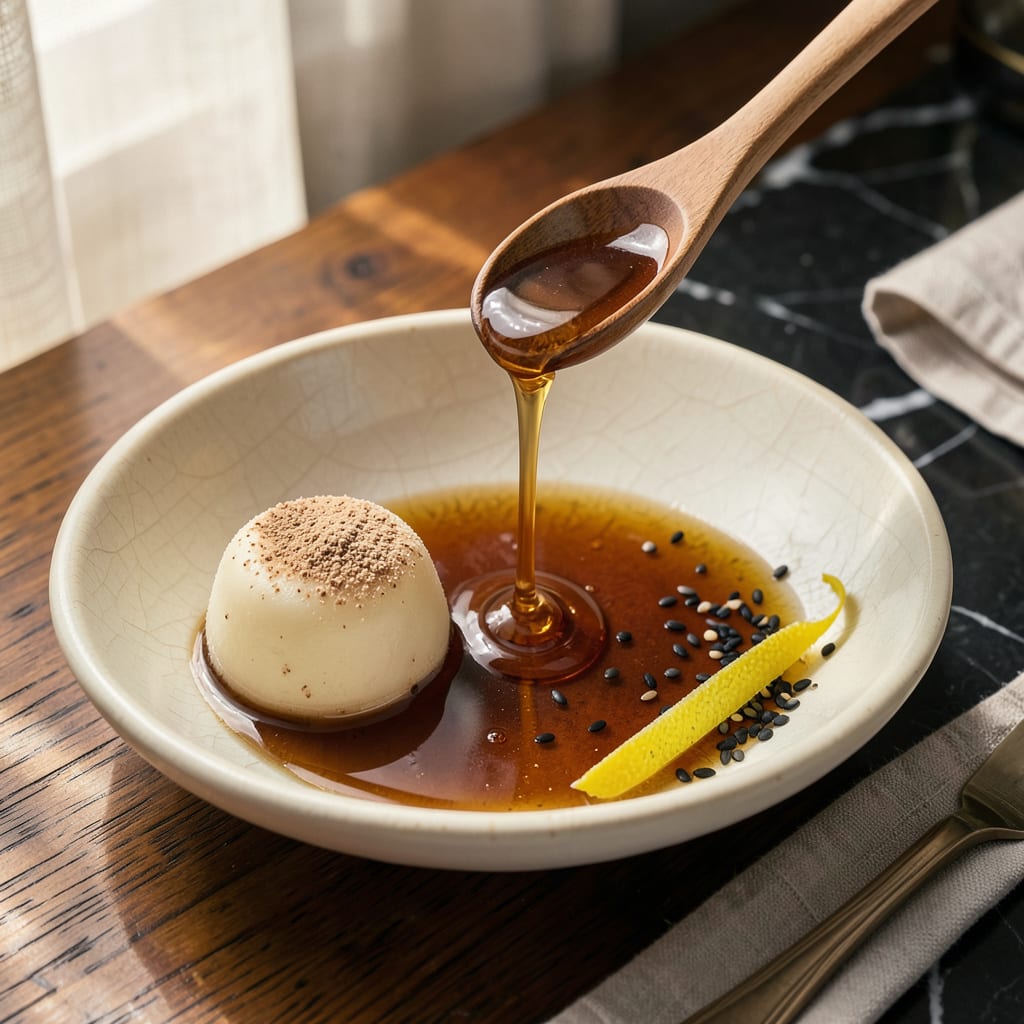
Mizuame syrup is a traditional Japanese sweetener made from fermented rice or starch, offering a mild, caramel-like flavor with a sticky, viscous texture. It’s commonly used in wagashi (Japanese sweets), glazes, and desserts for its glossy finish and subtle sweetness.
This syrup stands out because it’s crafted through a slow fermentation and reduction process—unlike refined sugars or corn syrup. 🔥 I love how it adds depth to dishes without overpowering them, making it perfect for delicate desserts like mochi or as a glaze for savory dishes. Its unique consistency comes from the natural starches breaking down into sugars, giving it that signature shine and cling. Plus, it’s a fantastic plant-based alternative for vegan baking when you need both sweetness and binding properties.
💡 In This Article
- How Mizuame Syrup Is Made and Its Unique Properties
- Creative Ways to Use Mizuame Syrup in Cooking and Baking
How Mizuame Syrup Is Made and Its Unique Properties
The process begins with fermented rice or sweet potatoes, which are broken down by koji mold (Aspergillus oryzae). This fermentation converts starches into simple sugars over 2-3 weeks, creating a liquid called amazake. The amazake is then slowly reduced at low heat (140-160°F) for 6-8 hours until it reaches a thick, honey-like consistency.
The slow reduction is key—it develops the syrup’s signature caramel notes while preserving its natural sweetness without added sugars. 🔥
What makes mizuame special is its molecular structure. The fermentation process creates a mix of glucose, maltose, and oligosaccharides, giving it a glycemic index of about 55—lower than corn syrup (75) but higher than honey (35). This balance means it provides steady energy without sharp blood sugar spikes.
The viscosity comes from residual starches that weren’t fully broken down, creating that perfect glossy, clingy texture ideal for glazes and confections. ✨
Compared to other sweeteners, mizuame has about 60% the sweetness of granulated sugar but with a more complex flavor profile. Unlike corn syrup’s neutral taste or honey’s floral notes, mizuame offers a subtle maltiness with hints of butterscotch. This makes it particularly valuable in wagashi (Japanese sweets) where delicate flavors need to shine through.
The syrup’s natural stickiness also helps bind ingredients in mochi and dango without altering their texture. 💫
The traditional production method involves wooden barrels for fermentation, which can impart subtle woody notes. Modern versions sometimes use stainless steel, but purists argue the wood contributes to the depth of flavor. The final product contains about 70-75% carbohydrates (mostly sugars) and 20-25% water, with trace minerals from the fermentation process.
This composition gives it a shelf life of 6-12 months when stored properly in a cool, dark place. 🌟
In Japanese confectionery, mizuame serves multiple purposes. It acts as a sweetener, binder, and glaze all in one. The syrup’s ability to create a smooth, shiny surface makes it ideal for nerikiri (colored sweet bean paste) and yokan (jelled desserts).
Unlike agar-based glazes that can crack, mizuame forms a flexible coating that moves with the confection. This versatility explains why it’s been a staple in Japanese kitchens since the Edo period. ⚡
For home cooks, the viscosity can be adjusted by reduction time—10 minutes less for a pourable syrup, 10 minutes more for a thick paste. The flavor intensifies with longer cooking, developing deeper caramel notes.
This adjustability makes it useful for everything from delicate matcha roll cakes to robust yakitori glazes, where its mild sweetness complements rather than competes with other flavors. 💛

Trained in classic French technique but raised on slow-cooked ribs and spicy rubs, she blends culinary skill with smoke and soul.
- Recipe for Boneless Pork Chops in Cast Iron Skillet: Sear and Baste to Juicy Perfection - October 3, 2026
- Recipe for Boneless Cross Rib Roast: Slow-Roasted Beef with Herb Crust - October 3, 2026
- Hamburgers in Sauce Recipe Crock Pot: Slow-Cooked Savory Delight - October 3, 2026