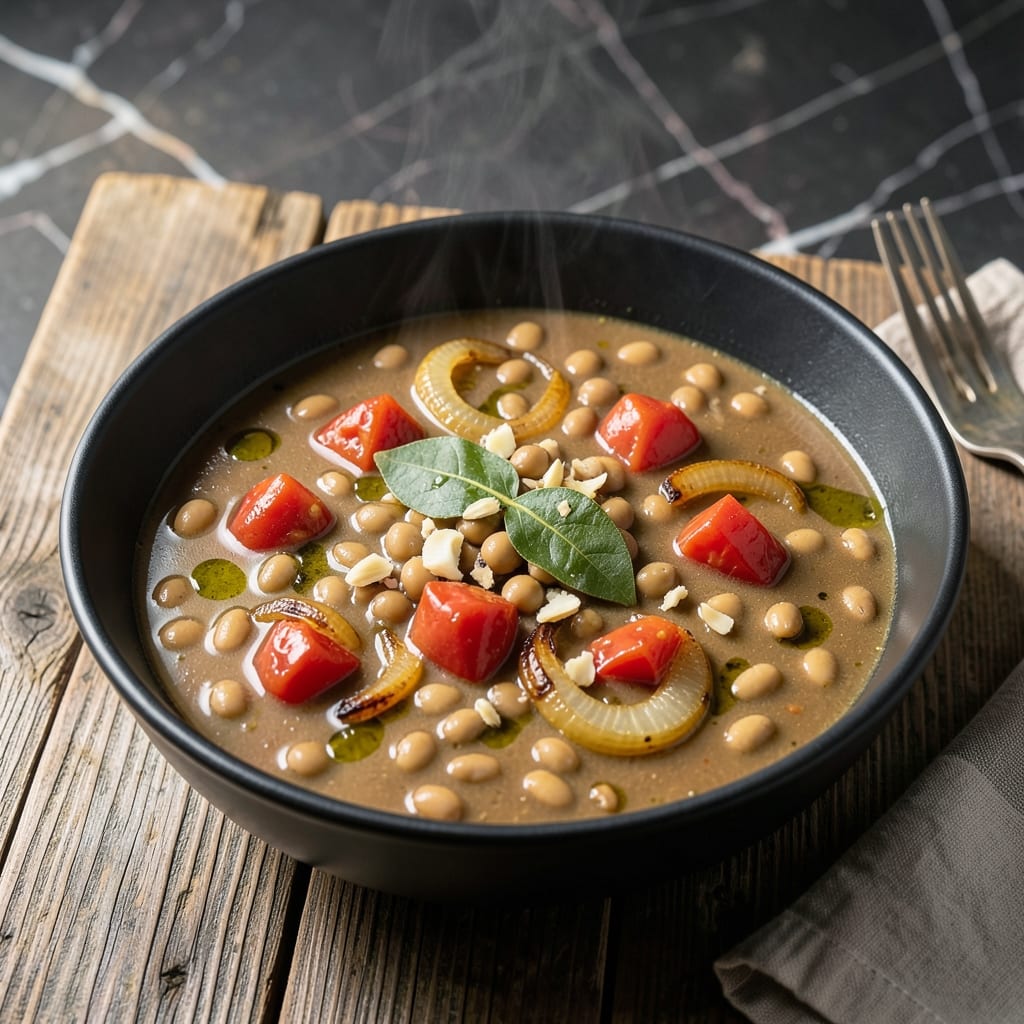
This Instant Pot version of monggo transforms a traditional Filipino stew into a modern kitchen triumph. The pressure cooker cuts hours of simmering down to 30 minutes while preserving every bit of flavor.
Mung beans become tender and creamy as they absorb the savory broth, while spinach adds freshness at the end. The dish maintains its authentic character through simple, time-honored ingredients.
What results is a hearty, comforting stew with perfectly cooked beans and vegetables in a rich, slightly thickened broth. The Instant Pot locks in all the traditional flavors without the traditional time.
This method delivers the same satisfying meal your grandmother made, just faster. The beans cook evenly, the flavors meld beautifully, and cleanup is minimal.
Ingredients for Monggo Recipe Instant Pot
Simple, authentic ingredients bring this Filipino stew to life in your Instant Pot.
| Ingredient | Amount | Notes |
|---|---|---|
| Dried Mung Beans 🌱 | 1 cup | Rinsed and picked over |
| Vegetable Broth 🍲 | 4 cups | Low-sodium preferred |
| Yellow Onion 🧅 | 1 whole | Medium, finely diced |
| Garlic Cloves 🧄 | 4 cloves | Minced for depth of flavor |
| Fresh Ginger 🌿 | 1 tbsp | Peeled and grated |
| Tomato 🍅 | 1 whole | Medium, diced |
| Spinach 🥬 | 4 cups | Fresh, roughly chopped |
| Soy Sauce 🫒 | 2 tbsp | Low-sodium or tamari |
| Olive Oil 🫒 | 1 tbsp | For sautéing aromatics |
| Bay Leaf 🍃 | 1 whole | Dried or fresh |
| Salt 🧂 | 1 tsp | Adjust to taste |
| Black Pepper 🌶️ | ½ tsp | Freshly ground preferred |
| Water 💧 | 1 cup | For pressure cooking |
[recipe_ingredient_scaler]
The mung beans are the heart of this dish—look for dry, unsplit beans at Asian markets or well-stocked grocery stores. I prefer organic dried mung beans for their clean flavor and consistent texture. The vegetable broth can be store-bought, but Better Than Bouillon makes a fantastic no-chicken base that adds depth without animal products. Fresh ginger is non-negotiable; its bright, peppery notes are essential to the dish’s character.
No fresh spinach? Baby kale or Swiss chard work beautifully—just chop them similarly. Low-sodium soy sauce can be swapped for coconut aminos if you’re avoiding gluten. The tomato adds a subtle sweetness, but 1 tablespoon of tomato paste can stand in if you’re short on fresh. If you don’t have a yellow onion, shallots at half the amount provide a milder, sweeter alternative.
Dried mung beans keep indefinitely in a cool, dark place. Once cooked, this stew holds up well—store in the fridge for up to 5 days or freeze for 3 months. The flavors deepen over time, making leftovers even more delicious.
Why You’ll Love This Recipe
- Set and Forget: I toss everything in the Instant Pot—mung beans, broth, onion, garlic, ginger—and walk away. No babysitting, no stirring, just perfect monggo every time.
- Aroma Bomb: The garlic and ginger bloom in the pressure cooker, filling my kitchen with a scent so good my neighbors might knock.
- Meal Prep MVP: I make a big batch on Sunday and it tastes even better Wednesday. My lunches for the week, sorted.
- Pennies per Bowl: Dried mung beans and pantry staples stretch into four hearty meals. Honestly, my wallet’s never been happier.
Step-by-Step Instructions for Instant Pot Mung Bean Stew
Master these precise steps for a perfectly textured stew with rich, layered flavors.
Step 1: Sauté Aromatics for Flavor Foundation
Set the Instant Pot to Sauté mode and add the 1 tbsp Olive Oil. When the oil shimmers, add the 1 whole Yellow Onion and cook for 3-4 minutes until translucent and just beginning to caramelize at the edges.
Stir in the 4 cloves Garlic Cloves and 1 tbsp Fresh Ginger, cooking for 30 seconds until fragrant. This quick bloom releases their essential oils. Immediately add the 1 whole Tomato and cook for 2 minutes, stirring occasionally, until it begins to break down into the base.
Step 2: Pressure Cook the Mung Beans
Add the 1 cup Dried Mung Beans, 4 cups Vegetable Broth, 1 cup Water, 1 whole Bay Leaf, 1 tsp Salt, and 0.5 tsp Black Pepper to the pot. Stir well to combine, ensuring no beans are stuck to the bottom—this prevents burning during pressure cooking.
Secure the lid, set the valve to Sealing, and cook on High Pressure for 15 minutes. The beans should absorb most of the liquid and become tender enough to mash slightly with a fork. Allow the pressure to release naturally for 10 minutes before quick-releasing any remaining pressure.
Step 3: Adjust Seasoning and Finish with Spinach
Open the lid and stir in the 2 tbsp Soy Sauce. Taste and adjust seasoning if needed—the beans should be tender but still hold their shape. If the stew seems too thick, add a splash of warm water to reach your desired consistency.
Gently fold in the 4 cups Spinach in batches, allowing each addition to wilt slightly before adding more. The residual heat will soften the spinach without overcooking it. Remove the 1 whole Bay Leaf before serving.
Step 4: Rest and Serve
Let the stew rest for 5 minutes off heat to allow the flavors to meld together. The mung beans should be creamy yet distinct, with a rich, savory broth that coats each one.
Serve hot, garnished with additional black pepper if desired. The stew should have a hearty, comforting texture with visible flecks of spinach and a glossy, well-seasoned liquid that’s neither too thin nor overly thick.
Pro Tips For Making Monggo Recipe Instant Pot
- Soak the Beans: I learned this the hard way—dried mung beans cook faster and more evenly in the Instant Pot when soaked for at least 30 minutes beforehand. Even a quick rinse and 15-minute soak in hot water makes a real difference.
- Sauté the Aromatics: After burning a batch or two, I now always sauté the onion, garlic, and ginger in the Instant Pot first using the sauté function. It builds a flavor base that plain broth just can’t match.
- Skip Overfilling: Resist the urge to double the recipe—mung beans expand, and filling the pot past the halfway mark can clog the valve or leave you with mushy monggo.
- Use Natural Release: Sounds weird, but it works: let the pressure release naturally for 10 minutes before quick-releasing the rest. This prevents the beans from turning to mush while still cutting down on total cook time.
Storing and Reheating Leftovers
Refrigerator Storage
Let your monggo cool completely before transferring to airtight containers. It will keep in the fridge at 40°F or below for up to 5 days. I find the flavors actually deepen overnight as the mung beans continue to absorb the savory broth. ❄️
Freezer Storage
For longer storage, portion the cooled stew into freezer-safe containers, leaving 1 inch of headspace for expansion. It freezes beautifully for up to 3 months without losing texture or flavor. I prefer using glass containers for easy reheating later.
Stovetop Reheating
My favorite method: warm the stew in a saucepan over medium-low heat for 8-10 minutes, stirring occasionally. Add a splash of water or vegetable broth if it’s too thick. The mung beans will plump up nicely with gentle heat.
Microwave Reheating
For quick meals, microwave individual portions in 1-minute intervals at 70% power, stirring between each. Cover with a damp paper towel to prevent drying. Expect it to reach 165°F in 3-4 minutes total.
Thawing Frozen Stew
Transfer frozen monggo to the fridge for 24 hours to thaw completely before reheating. For faster results, use the defrost setting on your microwave, checking every 2 minutes. Never reheat directly from frozen on high heat.
Once thawed, the texture remains remarkably consistent with fresh stew. 💡
Nutrition Facts
Frequently Asked Questions
Do I need to soak the mung beans first?
No soaking required! The Instant Pot cooks dried beans directly in 15 minutes under pressure. Soaking might even make them too soft.
Can I use canned mung beans instead?
Not recommended. Canned beans would turn mushy during pressure cooking. Stick with 1 cup dried for the best texture and flavor absorption.
Why did my stew turn out watery?
This usually happens if the lid was opened too soon. Let the pressure release naturally for 10 minutes first to allow the beans to fully absorb the liquid.
What can I add for extra protein?
Try adding 1 cup diced tofu with the spinach at the end, or 1/2 cup TVP with the dry beans. Both absorb the flavors beautifully.

Trained in classic French technique but raised on slow-cooked ribs and spicy rubs, she blends culinary skill with smoke and soul.
- Recipe for Boneless Pork Chops in Cast Iron Skillet: Sear and Baste to Juicy Perfection - October 3, 2026
- Recipe for Boneless Cross Rib Roast: Slow-Roasted Beef with Herb Crust - October 3, 2026
- Hamburgers in Sauce Recipe Crock Pot: Slow-Cooked Savory Delight - October 3, 2026