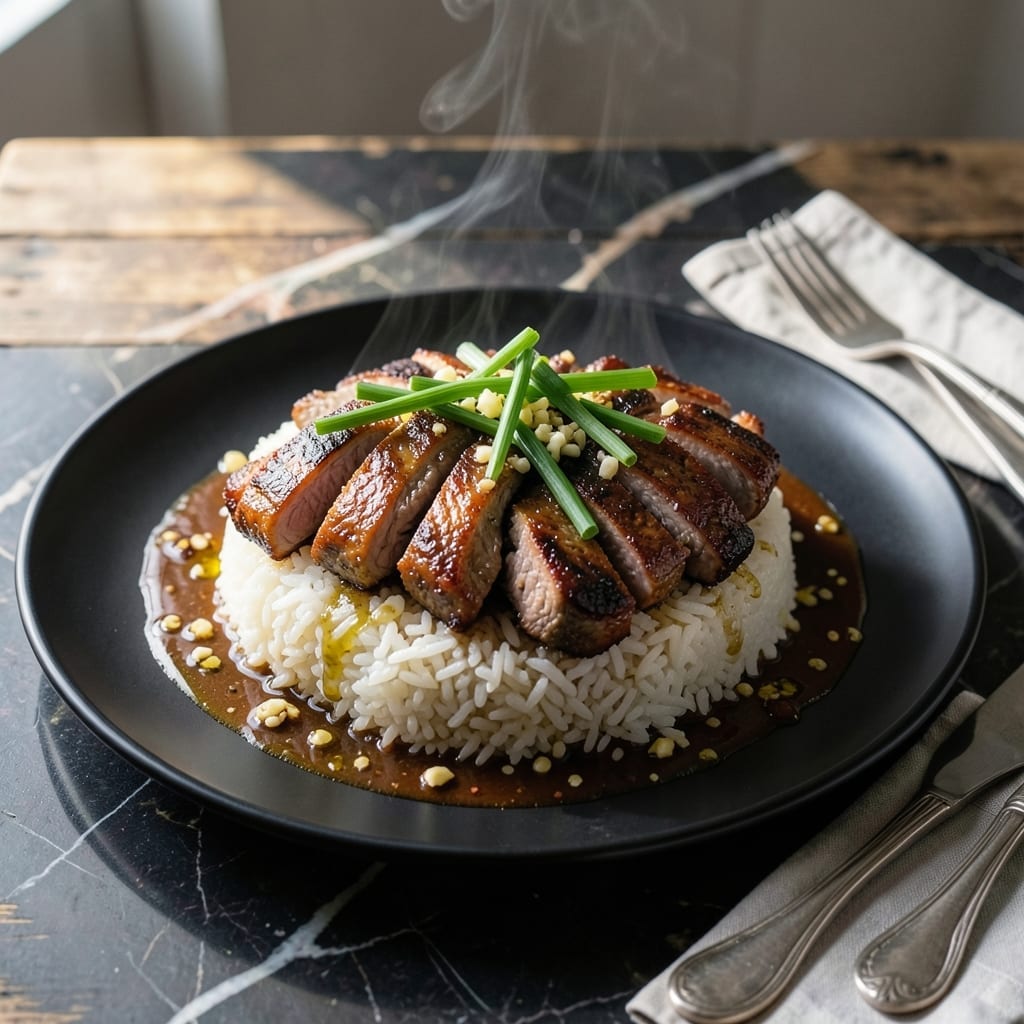
I’ve perfected this Mongolian beef using chuck roast for a reason—it turns tough cuts into melt-in-your-mouth tenderness. The secret is slicing thin against the grain and a quick velveting step that locks in moisture.
This dish brings bold, sweet-savory flavors with minimal effort. Soy sauce, brown sugar, and garlic create that signature sticky glaze, while cornstarch ensures the sauce clings to every bite of beef.
What you’ll get is velvety sauce coating tender beef strips, ready in under 30 minutes. It’s faster than takeout but tastes like it came from a restaurant kitchen.
Serve over rice with green onions for a complete meal. Here’s how to make it.
Ingredients for Mongolian Beef Recipe Chuck Roast
Chuck roast and bold sauces bring this dish to life with minimal effort.
| Ingredient | Amount | Notes |
|---|---|---|
| Chuck Roast 🥩 | 1 ½ lb | Sliced thin against the grain |
| Cornstarch 🌾 | ½ cup | For velveting and thickening |
| Soy Sauce 🥫 | ¾ cup | Low-sodium preferred |
| Brown Sugar 🍚 | ¾ cup | Packed, light or dark |
| Garlic Cloves 🧄 | 5 cloves | Minced for maximum flavor |
| Fresh Ginger Root 🌿 | 1 tbsp | Peeled and grated |
| Vegetable Oil 🫒 | ½ cup | High smoke point for frying |
| Green Onions 🧅 | 4 whole | Sliced thin for garnish |
| Rice Vinegar 🍶 | 2 tbsp | For acidity balance |
| Red Pepper Flakes 🌶️ | ½ tsp | Adjust to heat preference |
| Beef Broth 🍲 | ½ cup | Low-sodium for control |
| Sesame Oil 🫒 | 1 tsp | For finishing aroma |
| White Granulated Sugar 🍬 | 2 tbsp | Balances sauce sweetness |
| Jasmine Rice 🍚 | 2 cups | For serving base |
[recipe_ingredient_scaler]
The chuck roast is non-negotiable here—look for well-marbled pieces at Costco or your local butcher (avoid lean cuts, they’ll dry out). I slice mine partially frozen for cleaner, thinner strips. The cornstarch is your velveting hero—don’t skip the marinade step (worth the extra minute). For soy sauce, Kikkoman low-sodium is my go-to, but any brand works if it’s not that sad, watery stuff.
No fresh ginger? Ground ginger at half the amount works in a pinch (just add it with the garlic). Out of brown sugar? White sugar plus molasses (1 tbsp molasses per 1/2 cup sugar) mimics it perfectly. The rice vinegar can be swapped for apple cider vinegar (same ratio). If you’re avoiding gluten, tamari replaces soy sauce 1:1. The green onions? Regular onions sliced thin if that’s all you’ve got.
Cooked beef keeps 4-5 days in the fridge, but honestly it’s best fresh. Sauce thickens as it cools—stir in a splash of water when reheating. Freezes for 3 months if you must, though texture softens. Always serve over hot rice (the contrast is everything).
Why You’ll Love This Recipe
- One Pan Wonder: I toss the chuck roast in cornstarch, sear it, then let the soy sauce and brown sugar work their magic—minimal dishes, maximum flavor.
- Sweet-Savory Fix: The brown sugar caramelizes with the soy sauce and garlic, creating that sticky, umami-packed glaze I just can’t resist.
- Meal Prep Hero: Between us, this tastes even better the next day. I double the batch for lunches all week.
- Budget Stretch: Chuck roast is affordable, and a little goes a long way. I feed my family of four without breaking the bank.
Step-by-Step Instructions for Mongolian Beef with Chuck Roast
Here’s the method. Straightforward, tested, works every time.
Step 1: Velvet the Chuck Roast for Maximum Tenderness
Slice the 1.5 lb chuck roast thinly against the grain into ¼-inch strips. This shortens the muscle fibers, ensuring that melt-in-your-mouth texture you’re after. Pat the strips completely dry with paper towels—moisture prevents proper browning.
Place the beef in a bowl and toss with the 0.5 cup cornstarch until every piece is evenly coated. I like to press the cornstarch into the meat so it adheres well. This velveting technique creates that signature crispy-yet-tender texture. Let it sit for 10 minutes while you prep the rest.
Step 2: Sear the Beef to Crispy Perfection
Heat the 0.5 cup vegetable oil in a large skillet or wok over medium-high heat until shimmering. Add the cornstarch-coated beef in a single layer, working in batches if needed to avoid crowding. Cook for 2-3 minutes per side until deep golden brown and crispy.
Don’t stir too much—let the beef develop that crispy crust. You’ll know it’s ready to flip when the edges look golden and the pieces release easily from the pan. Transfer the seared beef to a paper towel-lined plate to drain excess oil, but keep that delicious oil in the pan for the sauce.
Step 3: Build the Mongolian Sauce Base
In the same pan, reduce heat to medium and add the 5 cloves minced garlic cloves and 1 tbsp grated fresh ginger root. Sauté for 30-45 seconds until fragrant but not browned. Garlic burns quickly, so keep it moving.
Pour in the 0.75 cup soy sauce, 0.75 cup brown sugar, 2 tbsp white granulated sugar, 2 tbsp rice vinegar, and 0.5 tsp red pepper flakes. Stir well and let it simmer for 2 minutes until the brown sugar dissolves completely. The sauce should be glossy and slightly thickened.
Step 4: Finish with Beef Broth and Reintroduce the Beef
Carefully pour in the 0.5 cup beef broth and stir to combine. The sauce will bubble up—that’s normal. Let it simmer for 3-4 minutes until it thickens enough to coat the back of a spoon. Taste and adjust the sweetness or saltiness if needed.
Return all the seared beef to the pan and toss to coat evenly in the sauce. Cook for another 1-2 minutes until the beef is heated through and the sauce clings beautifully to each piece. The beef should be glossy and the sauce should be thick enough that it doesn’t pool at the bottom of the pan.
Step 5: Garnish and Serve Over Jasmine Rice
Remove from heat and stir in the 1 tsp sesame oil. This adds that final aromatic touch that makes the dish authentic. Slice the 4 whole green onions thinly and scatter them over the top for a fresh, crisp contrast.
Serve immediately over steamed 2 cups jasmine rice. The beef should be tender with a slight crispness from the cornstarch, and the sauce should be rich, slightly sweet, and perfectly balanced. Each bite should have that velvety texture with a beautiful sheen from the sauce.
Pro Tips For Making Mongolian Beef Recipe Chuck Roast
- Slice Against Grain: Cut the chuck roast into thin strips against the grain for tender bites—I learned this the hard way after chewing through tough slices my first few attempts.
- Velvet the Beef: Toss the sliced beef with cornstarch (about 2 tablespoons) and let it sit for 10 minutes before cooking. Sounds weird, but it works: this creates that signature silky texture.
- Skip Overcrowding Pan: Cook the beef in batches to avoid steaming. After burning three batches, I finally figured out that cramming it all in just makes soggy, sad strips.
- Bloom the Garlic: Cook the minced garlic in the hot oil for just 15-20 seconds until fragrant. My grandmother swore by this, and she was right: any longer and it turns bitter.
Regional Styles of This mongolian beef recipe chuck roast
Traditional Mongolian
In Mongolia, this dish uses yurt-cooked beef with simple seasonings. They rely on fermented mare’s milk for acidity instead of vinegar. The beef is often cut thicker, ½-inch strips, and slow-cooked in cast iron over open flames. 🗺️
Sichuan Adaptation
Sichuan versions add dried chilies and Sichuan peppercorns for numbing heat. I use 2 tsp peppercorns toasted in oil before adding garlic. The sauce becomes oilier, with a deep red color from the chilies. Serve with steamed bok choy to balance the heat.
Korean Influence
Korean-style Mongolian beef incorporates gochujang for depth. I mix 1 tbsp gochujang with the soy sauce. The dish gains a fermented complexity and richer color. Garnish with toasted sesame seeds and extra green onions.
Thai Variation
Thai cooks add fish sauce and lemongrass to the sauce. Use 1 tbsp fish sauce and 1 stalk lemongrass bruised and simmered. Remove lemongrass before serving. The result is brighter, with herbal notes.
Japanese Twist
Japanese versions often include mirin for sweetness. Replace ¼ cup brown sugar with ¼ cup mirin. The sauce becomes glossier and more delicate. Top with pickled ginger for contrast.
American Takeout Style
This is the version you know from restaurants. I increase the cornstarch to ⅔ cup for extra crispiness. The sauce is sweeter, with 1 cup brown sugar. Always serve with steamed broccoli on the side. 💛
Nutrition Facts
Frequently Asked Questions
Can I use a different cut of beef?
Flank or sirloin work, but chuck’s marbling gives the best texture. Avoid lean cuts like tenderloin—they’ll dry out during cooking.
How do I slice the beef thinly?
Partially freeze the roast for 30 minutes to firm it up. Use a sharp knife and slice against the grain into ¼-inch strips.
Why is my sauce too thin?
Simmer uncovered for 2-3 extra minutes to reduce. If still thin, mix 1 tbsp cornstarch with water and stir in.
Can I make this ahead?
Cook and store beef and sauce separately in the fridge for up to 2 days. Reheat gently to avoid soggy beef.

Trained in classic French technique but raised on slow-cooked ribs and spicy rubs, she blends culinary skill with smoke and soul.
- Recipe for Boneless Pork Chops in Cast Iron Skillet: Sear and Baste to Juicy Perfection - October 3, 2026
- Recipe for Boneless Cross Rib Roast: Slow-Roasted Beef with Herb Crust - October 3, 2026
- Hamburgers in Sauce Recipe Crock Pot: Slow-Cooked Savory Delight - October 3, 2026