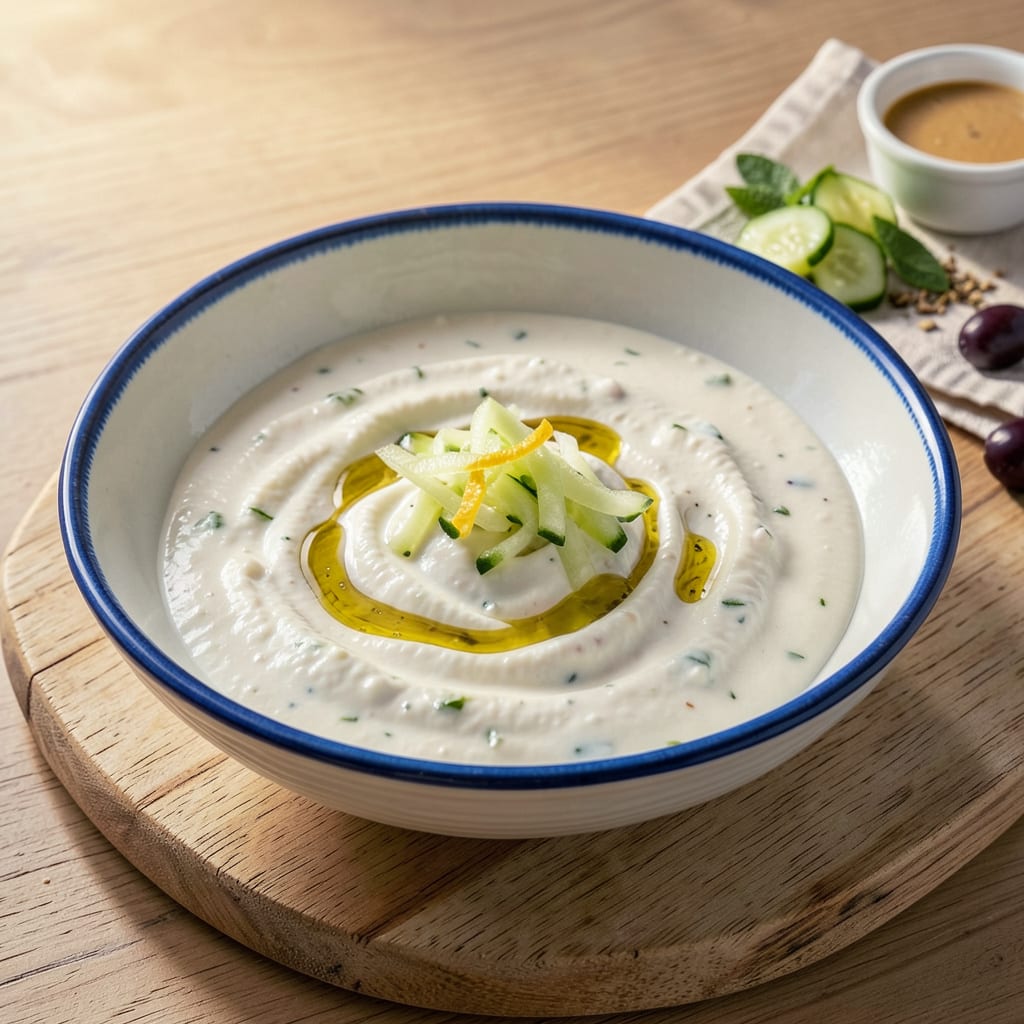
I know that moment of disappointment when you taste your homemade tzatziki and all you get is a sour punch. After years of tweaking (and yes, a few failed batches), I’ve cracked the code for balancing that tangy yogurt base. The secret isn’t just about adding more ingredients—it’s about understanding how they work together.
This isn’t about masking flavors but creating harmony. I’ll show you how to adjust the lemon juice, properly strain your yogurt, and use cucumber’s natural sweetness to counterbalance acidity. These simple techniques transform harsh sourness into that creamy, refreshing tzatziki we all love.
What you’ll end up with is a perfectly balanced sauce that’s versatile enough for gyros, pita dips, or even as a cooling topping for grilled meats. The difference is night and day—smooth, creamy, and just tangy enough to make every bite interesting without overwhelming your palate.
No fancy equipment needed, just a few easy adjustments that make all the difference. Let’s fix that tzatziki together—your taste buds will thank you.
📚 In This Guide
- What You’ll Need
- Instructions
- Tips and Common Mistakes
What Youll Need
- ● Fresh ingredients: 1 medium English cucumber (about 10 oz, peeled and seeded) 🥒
- ● 1 cup plain Greek yogurt (full-fat or 2% for creamier texture)
- ● 1–2 cloves fresh garlic (minced, adjust to taste)
- ● 1 tbsp extra-virgin olive oil (plus extra for drizzling)
- ● 1 tbsp fresh lemon juice (or white vinegar, if preferred)
- ● ¼ tsp salt (or to taste, critical for balancing sourness!)
- ○ 1 tbsp fresh dill (chopped, optional but recommended)
- ● Tools & equipment: Box grater or fine-mesh strainer (for draining cucumber)
- ● Mixing bowl (medium-sized, non-reactive like glass or stainless steel)
- ● Whisk or fork (for smooth blending)
- ● Cheesecloth or paper towels (to squeeze excess water from cucumber)
- ● Measuring spoons (for precise seasoning adjustments)
- ○ Optional add-ins (for troubleshooting sourness): 1 tsp honey or sugar (to neutralize acidity)
- ● 2 tbsp sour cream (for extra creaminess)
- ● Pinch of baking soda (¼ tsp max—use sparingly!)
Instructions for Fixing Tzatziki That’s Too Sour
Here’s how to rescue your tzatziki and restore that perfect creamy, tangy balance.
Add More Cucumber for Freshness
Start by finely grating or dicing an additional ½ cup of cucumber. I like to use English cucumbers because they have fewer seeds and less water content, which helps maintain the sauce’s thickness. Make sure to squeeze out as much liquid as possible from the grated cucumber using a clean kitchen towel or paper towels.
Fold the prepared cucumber into your tzatziki and mix well. The mild, fresh flavor of cucumber will help neutralize the sourness while adding a refreshing crunch. Taste after mixing—you should notice an immediate improvement in balance. If it’s still too sour, you can add another ¼ cup of cucumber.
Incorporate a Neutral Base
If the tzatziki is still too sour after adding cucumber, stir in 2-3 tablespoons of plain Greek yogurt. Use full-fat yogurt for the creamiest texture. This adds volume without introducing more sourness, effectively diluting the tangy flavor while keeping the sauce rich and velvety.
Mix thoroughly and taste again. The yogurt should mellow out the sharpness while maintaining the signature tzatziki texture. If needed, you can add up to ¼ cup more yogurt, but go slowly—you want to balance the flavor, not make it bland. The goal is creamy, not watery, so avoid over-thinning.
Sweeten with a Touch of Honey
For stubborn sourness, add ½ teaspoon of honey to the mixture. Honey is my secret weapon because it balances acidity naturally without making the sauce taste sweet. Stir well to incorporate completely, then taste before adding more.
You can increase to 1 teaspoon total if needed, but add it gradually. The honey should take the edge off the sourness while enhancing the other flavors. If you’re concerned about altering the traditional flavor profile, you can also use a pinch of sugar, but honey adds a subtle depth that works beautifully with the yogurt and garlic.
Adjust Seasoning and Rest
After balancing the sourness, check your seasoning. Add a pinch of salt if needed—this helps all the flavors come together. You might also want to add a sprinkle of dried dill or a squeeze of lemon juice (just a few drops) to brighten the flavors without reintroducing sourness.
Let the tzatziki rest in the refrigerator for at least 30 minutes before serving. This resting time allows the flavors to meld and the textures to harmonize. When you taste it again, you’ll find the sourness has mellowed, and all the elements are perfectly balanced—creamy, fresh, and just tangy enough.
Tips and Common Mistakes
These practical insights will help you perfect your tzatziki balance with confidence.
Cucumber Preparation: When adding the ½ cup of cucumber in Step 1, take the extra minute to really squeeze out all the liquid—this prevents your tzatziki from becoming watery. I like to wrap the grated cucumber in a clean kitchen towel and twist it tightly over the sink. The drier your cucumber, the better your sauce will hold its creamy texture without separating.
Yogurt Selection: For Step 2, using full-fat Greek yogurt makes all the difference in texture. I’ve found that low-fat versions can make the sauce taste thin and watery. If you only have regular yogurt, strain it through a fine-mesh sieve for 15 minutes first to remove excess whey—this mimics the thickness of Greek yogurt beautifully.
Honey Technique: In Step 3, warm your honey slightly before adding it to the mixture. Just place the measuring spoon in a cup of hot water for a minute before scooping the honey—this helps it incorporate more evenly. Remember, we’re using just ½ teaspoon initially, so proper mixing ensures you don’t end up with sweet pockets in your sauce.
Resting Importance: Don’t skip the 30 minutes of resting time in Step 4. I learned this the hard way after serving tzatziki that tasted unbalanced—only to find it was perfect after sitting in the fridge. This waiting period allows the flavors to meld and the acidity to mellow naturally, giving you that restaurant-quality balance we’re aiming for.
Pro Tips for My Tzatziki Sauce Is Too Sour
- These practical insights will help you perfect your tzatziki balance with confidence.
- Cucumber Preparation: When adding the ½ cup of cucumber in Step 1, take the extra minute to really squeeze out all th…
- Yogurt Selection: For Step 2, using full-fat Greek yogurt makes all the difference in texture. I’ve found that low-fa…
Frequently Asked Questions
Got a batch of tzatziki that’s puckering your lips? You’re not alone! Here are the most common questions (and quick answers) to rescue your sauce and keep it creamy, cool, and just tangy enough.
Why does my tzatziki taste so sour even when I follow the recipe?
The usual culprits: overripe cucumbers (they get bitter/sour) or too much lemon juice/yogurt acidity. Greek yogurt is naturally tangy, and fresh lemon juice can overpower. Try straining the yogurt longer (2+ hours) to mellow the flavor, or balance with a pinch of sugar or honey.
Can I fix sour tzatziki after it’s made, or do I need to start over?
No need to toss it! Dilute the sourness by stirring in 1–2 tbsp cold water or heavy cream (add slowly). For instant relief, mix in ½ tsp honey or a grated potato (it absorbs acidity). Taste as you go—most fixes take under 5 minutes!
How long should I let tzatziki sit before serving to avoid sourness?
Ideally, chill for 1–2 hours after mixing. This lets flavors blend without the lemon juice or vinegar overpowering. If you’re in a rush, serve immediately but halve the lemon juice and add more to taste later. Pro tip: Salt the grated cucumber and drain it 30 mins before mixing to cut bitterness!
What’s a good substitute for lemon juice if my tzatziki is too tart?
Swap lemon for 1 tsp white vinegar (milder) or rice vinegar (sweeter). For zero tang, skip acid entirely and rely on fresh dill, mint, or garlic for flavor. If you love brightness, try a splash of olive oil—it rounds out sharpness beautifully!
Does the type of yogurt affect sourness? How do I pick the right one?
Full-fat Greek yogurt is creamier and less sour than low-fat versions. For ultra-mild tzatziki, use Icelandic skyr (thicker, milder) or blend in 1–2 tbsp sour cream. Avoid “plain yogurt”—it’s often thinner and more acidic. Always strain yogurt in cheesecloth for 30+ mins to remove excess whey (and sourness!).
Don’t let a too-sour tzatziki ruin your meal! 😊 With a few simple tweaks—like adjusting the yogurt-to-cucumber ratio, adding a touch of honey, or balancing with fresh herbs—you can turn that tangy mishap into creamy, refreshing perfection. Every great cook has been there, and now you’ve got the tools to fix it like a pro.
Ready to give it another try? Grab your ingredients and taste as you go—your next batch of tzatziki could be the best one yet! 🥒✨

Trained in classic French technique but raised on slow-cooked ribs and spicy rubs, she blends culinary skill with smoke and soul.
- Recipe for Boneless Pork Chops in Cast Iron Skillet: Sear and Baste to Juicy Perfection - October 3, 2026
- Recipe for Boneless Cross Rib Roast: Slow-Roasted Beef with Herb Crust - October 3, 2026
- Hamburgers in Sauce Recipe Crock Pot: Slow-Cooked Savory Delight - October 3, 2026