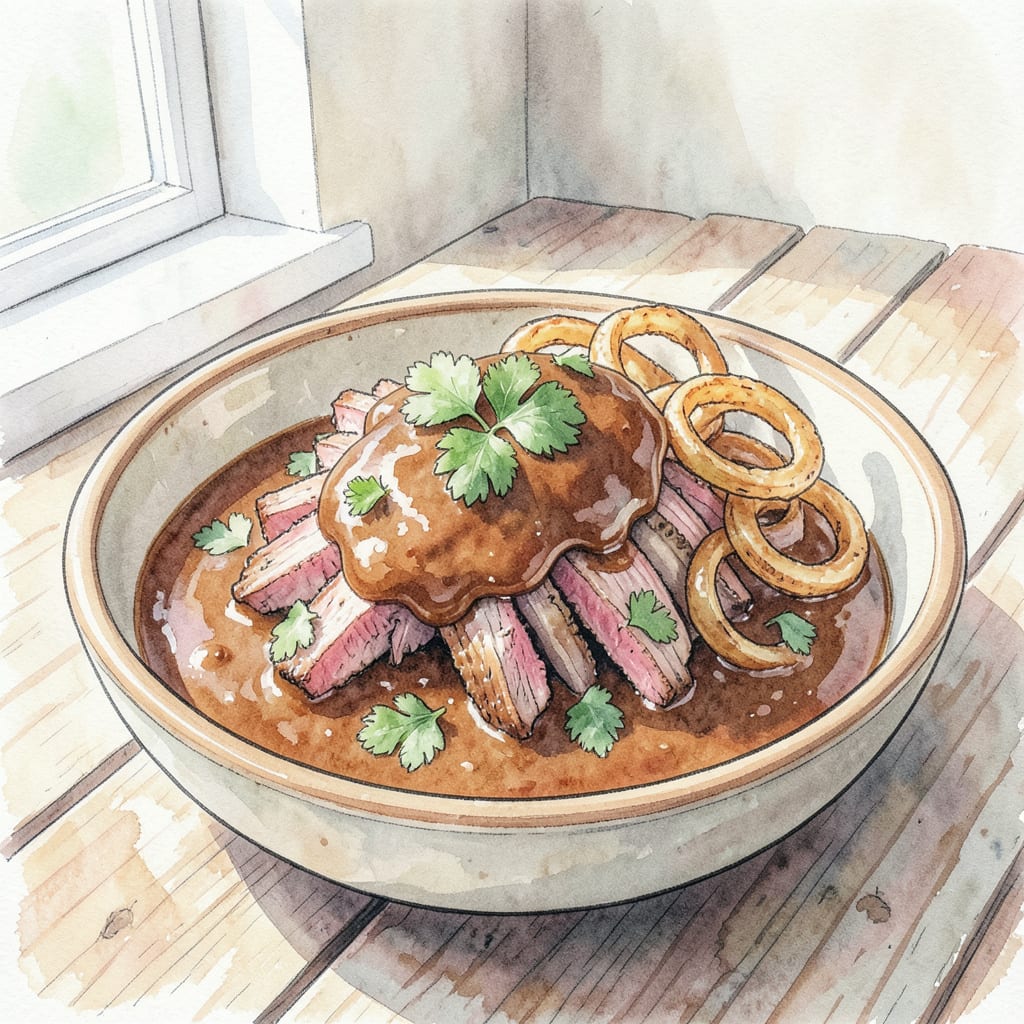
As a pitmaster, I’ve spent years perfecting my North Carolina-style BBQ sauce recipe. 🔥 The tangy, vinegar-based flavor profile is a game-changer for any BBQ enthusiast. This sauce is a staple in North Carolina, and for good reason – it adds a depth of flavor that’s hard to resist.
My recipe uses a combination of apple cider vinegar, water, and spices to create a balanced, tangy sauce that’s perfect for slathering on pulled pork or chicken. The key is to find the right balance between the vinegar and spices, which I’ve perfected over years of experimentation.
What sets this sauce apart is its simplicity. With just a few ingredients, you can create a complex, layered flavor profile that’s sure to impress. Whether you’re a seasoned pitmaster or just starting out, this recipe is a great addition to your BBQ arsenal.
By using high-quality ingredients and a straightforward preparation method, you’ll be able to create a rich, tangy BBQ sauce that’s perfect for any occasion. Let’s get started!
Ingredients for North Carolina Bbq Sauce
Simple ingredients come together to create this tangy, vinegar-based North Carolina BBQ sauce.
| Ingredient | Amount | Notes |
|---|---|---|
| Apple Cider Vinegar 🍎 | 1 ½ cups | High-quality, unfiltered for best flavor |
| Water 💧 | ½ cup | Filtered or bottled |
| Brown Sugar 🍮 | ¼ cup | Dark or light brown sugar |
| Smoked Paprika 🌶️ | 2 tbsp | Smoked for authentic BBQ flavor |
| Kosher Salt 🧂 | 1 tbsp | Diamond Crystal or similar flake salt |
| Black Pepper 🌶️ | 1 tsp | Freshly ground black pepper |
| Cayenne Pepper 🔥 | ½ tsp | Optional, for added heat |
| Garlic Powder 🧄 | 1 tsp | Not garlic salt |
[recipe_ingredient_scaler]
The apple cider vinegar is the star here. Look for unfiltered, organic varieties at your local health food store or Whole Foods. The quality really shines through in the final product. I like to use Bragg’s or similar brands that have that rich, tangy flavor. If you’re using a different type of vinegar, like white vinegar, you’ll need to adjust the amount since it’s stronger.
No smoked paprika? You can substitute with regular paprika and a dash of liquid smoke. The cayenne is optional—start with half if you’re sensitive to heat. For a smoother sauce, you can strain it through a fine-mesh sieve after blending. If you’re using this on chicken, you might want to reduce the cayenne or omit it entirely.
This sauce keeps for up to 2 weeks in the fridge. Store it in a glass jar with a tight-fitting lid—Mason jars work perfectly. It’ll thicken as it chills, so give it a good stir before using. You can also freeze it for up to 3 months in airtight containers.
Step-by-Step Instructions for North Carolina BBQ Sauce
Let’s make this tangy vinegar-based BBQ sauce that’s perfect for pulled pork.
👨🍳 Step 1: Combine Ingredients
In a medium saucepan, combine the 1.5 cups Apple Cider Vinegar, 0.5 cup Water, and 0.25 cup Brown Sugar. Whisk until the sugar dissolves completely—this prevents grainy texture in your finished sauce.
Next, add the 2 tbsp Smoked Paprika, 1 tbsp Kosher Salt, 1 tsp Black Pepper, 0.5 tsp Cayenne Pepper, and 1 tsp Garlic Powder. Whisk thoroughly to distribute the spices evenly throughout the liquid.
🍳 Step 2: Simmer and Reduce
Place the saucepan over medium heat and bring the mixture to a gentle simmer. You’ll know it’s simmering when you see tiny bubbles breaking the surface—don’t let it boil vigorously.
Reduce the heat to low and let the sauce simmer for 10-15 minutes, stirring occasionally, until it thickens slightly and reduces by about ¼ cup. The sauce is ready when it coats the back of a spoon and has a smooth, velvety consistency.
⏰ Step 3: Cool and Store
Remove the saucepan from the heat and let the BBQ sauce cool to room temperature. This cooling step is crucial as it allows the flavors to meld together and the sauce to thicken further.
Once cooled, transfer the BBQ sauce to an airtight container and refrigerate for at least 2 hours before using. The sauce will keep in the refrigerator for up to 2 weeks. Shake well before each use as the ingredients may separate during storage.
Flavor Customization for This Dish
Spice Level Adjustments
For those who like a milder sauce, start by reducing the cayenne pepper to ¼ teaspoon or omitting it entirely. You can always add more heat later, but it’s harder to remove it once added. I often make a batch without cayenne for family gatherings. 🔥
Sweetness Variations
To adjust the sweetness level, modify the brown sugar amount. For a sweeter sauce, increase it to ⅓ cup. For a tangier profile, reduce it to 2 tablespoons or use a natural sweetener like honey or maple syrup in smaller quantities.
Smoky Flavor Enhancements
For an extra smoky kick, add 1-2 teaspoons of liquid smoke during the simmering process. Alternatively, incorporate 1 tablespoon of smoked salt instead of regular kosher salt for deeper flavor. I discovered this trick while foraging for wild herbs along the coast.
Garlic Intensity
If you’re a garlic lover, increase the garlic powder to 1.5 teaspoons or add 1-2 cloves of minced fresh garlic during the simmering stage. For a more subtle flavor, reduce it to ½ teaspoon. Remember that garlic powder provides a different flavor profile than fresh garlic.
Regional Twists
To create an Eastern-style North Carolina BBQ sauce, omit the brown sugar entirely and add 1 tablespoon of red pepper flakes for extra heat. For a Lexington-style variation, add ¼ cup of ketchup to the mixture before simmering, giving it a slightly sweeter and thicker consistency.
Storage and Shelf Life
Store your customized BBQ sauce in airtight glass containers, such as Mason jars, in the refrigerator. It will keep for up to 2 weeks, though it rarely lasts that long! Shake well before each use as ingredients may separate during storage. ❄️
Nutrition Facts

Trained in classic French technique but raised on slow-cooked ribs and spicy rubs, she blends culinary skill with smoke and soul.
- Recipe for Boneless Pork Chops in Cast Iron Skillet: Sear and Baste to Juicy Perfection - October 3, 2026
- Recipe for Boneless Cross Rib Roast: Slow-Roasted Beef with Herb Crust - October 3, 2026
- Hamburgers in Sauce Recipe Crock Pot: Slow-Cooked Savory Delight - October 3, 2026