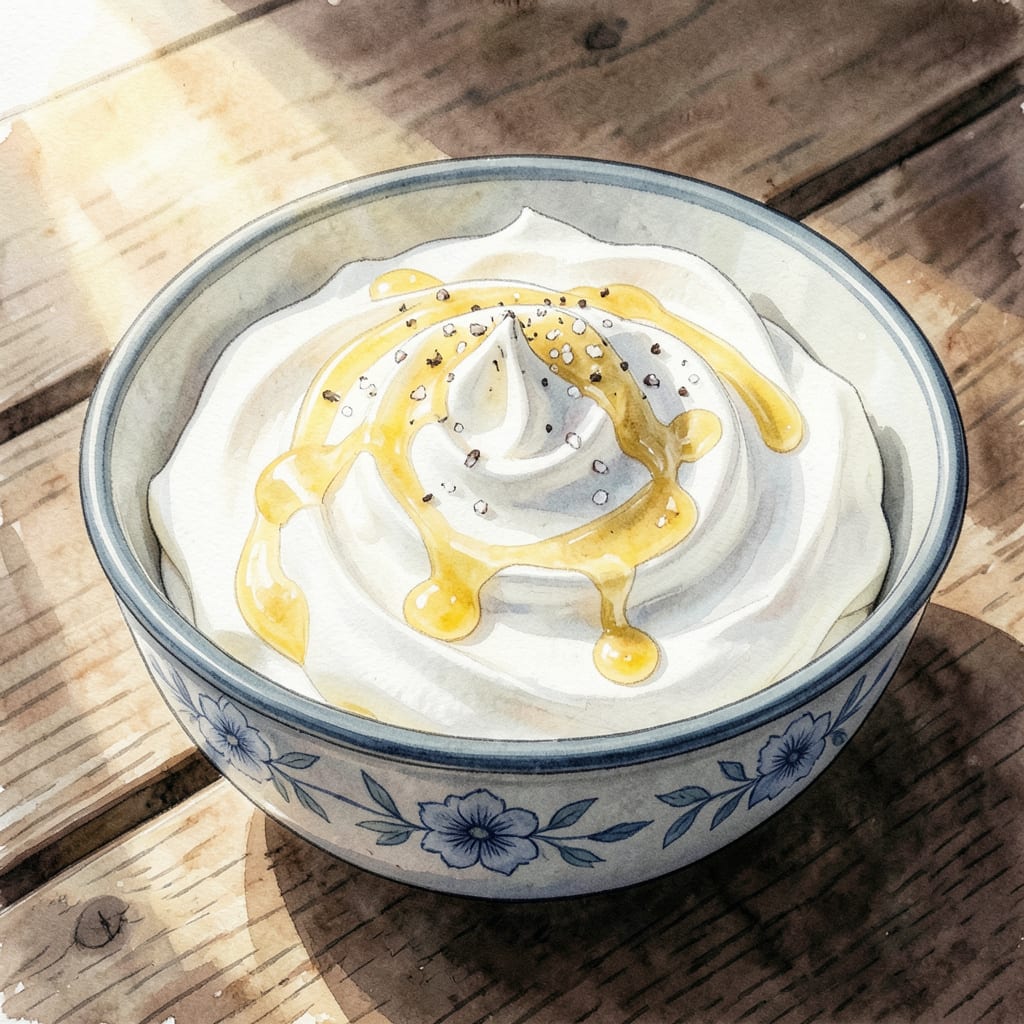
This cream cheese frosting delivers the signature tangy-sweet balance that makes Nothing Bundt cakes unforgettable. Developed through precise testing, the recipe achieves that perfect pipeable consistency—smooth enough to swirl beautifully, yet sturdy enough to hold its shape. The secret lies in the careful ratio of cream cheese to butter and a gradual incorporation method that prevents graininess.
What sets this frosting apart is its versatility. It pairs equally well with classic vanilla bundt cakes, rich chocolate creations, or even as a cupcake topping. The recipe yields enough to generously frost a standard bundt cake with that characteristic swirl pattern, and it stores beautifully for up to five days when refrigerated in an airtight container. Professional results are guaranteed with these measured techniques.
Ingredients for Nothing Bundt Frosting
Seven precision ingredients create that signature Nothing Bundt frosting—tangy, smooth, and perfectly pipeable for professional swirls.
| Ingredient | Amount | Notes |
|---|---|---|
| Full-Fat Cream Cheese 🧀 | 16 oz | Block-style, room temperature |
| Unsalted Butter 🧈 | 1 cup | European-style preferred, room temperature |
| Powdered Sugar 🍚 | 6 cups | Sifted for smooth texture |
| Pure Vanilla Extract 🌿 | 2 tsp | Madagascar bourbon variety recommended |
| Fine Sea Salt 🧂 | ½ tsp | Diamond Crystal brand preferred |
| Fresh Lemon Juice 🍋 | 1 tbsp | Newly squeezed for brightness |
| Heavy Whipping Cream 🥛 | 2 tbsp | Cold, for adjusting consistency |
[recipe_ingredient_scaler]
The cream cheese foundation requires full-fat blocks—tub varieties contain stabilizers that compromise texture. Philadelphia brand delivers consistent results, though organic alternatives like Organic Valley perform equally well. European-style butter (such as Plugrá or Kerrygold) contributes superior plasticity due to its higher fat content (82-86%). Powdered sugar must be freshly sifted to eliminate lumps; Domino or C&H brands are recommended for their fine granulation and minimal anti-caking agents.
For dietary adaptations, vegan cream cheese (such as Kite Hill or Miyoko’s) may substitute at a 1:1 ratio, though piping stability may require additional chilling. Vanilla bean paste (1:1 replacement) intensifies flavor complexity, while citric acid (⅛ tsp) can replace lemon juice for shelf stability. Heavy cream alternatives like coconut cream (chilled overnight) work but may impart subtle flavor notes. Always verify ingredient temperatures—room-temperature dairy emulsifies more effectively than cold.
Frosting maintains optimal consistency when stored in an airtight container with parchment pressed directly against the surface to prevent crusting. Refrigerated, it holds for 5 days; frozen portions (in piping bags) remain stable for 3 months. Before use, rewhip with a paddle attachment on low speed to restore volume—avoid overmixing to prevent butter separation. For advance preparation, prepare the base without powdered sugar and refrigerate up to 24 hours; complete with sugar just before piping.
Step-by-Step Instructions for Cream Cheese Frosting
Mastering this frosting requires attention to temperature and technique—follow these precise steps for perfect results.
Step 1: Prepare the Cream Cheese and Butter Base
In a stand mixer fitted with the paddle attachment, combine the 16 oz Full-Fat Cream Cheese and 1 cup Unsalted Butter at room temperature. Beat on medium speed for 2-3 minutes until completely smooth and homogeneous. The mixture should appear pale and fluffy with no visible lumps of cream cheese.
Scrape down the sides of the bowl with a silicone spatula to ensure even mixing. I always check the bottom of the bowl as well—this prevents pockets of unmixed cream cheese that could create texture issues later. The proper consistency at this stage should resemble thick whipped cream.
Step 2: Gradually Incorporate the Powdered Sugar
Reduce mixer speed to low and gradually add the 6 cups Powdered Sugar, about 1 cup at a time, allowing each addition to fully incorporate before adding more. This gradual approach prevents a sugar cloud and ensures even distribution throughout the frosting base.
After each addition, pause to scrape the bowl and check the texture. The frosting will become noticeably thicker and lighter in color. By the final cup, the mixture should hold soft peaks when the paddle is lifted. Avoid overmixing at this stage, as excessive air incorporation can lead to a grainy texture.
Step 3: Add Flavor Components and Adjust Consistency
With the mixer running on low speed, add the 2 tsp Pure Vanilla Extract, 0.5 tsp Fine Sea Salt, and 1 tbsp Fresh Lemon Juice. Mix for 30 seconds until fully combined. The vanilla should be evenly distributed and the lemon juice should brighten the flavor profile without making the frosting runny.
Assess the consistency—it should be smooth and spreadable but hold its shape. If needed, add the 2 tbsp Heavy Whipping Cream, 1 tablespoon at a time, mixing just until incorporated. The ideal texture should cling to the back of a spoon and maintain defined swirls when piped.
Step 4: Final Whip and Texture Check
Increase mixer speed to medium-high and whip the frosting for an additional 1-2 minutes. This final whipping creates the signature light, airy texture that makes this frosting stand out. Watch for the frosting to become noticeably paler and develop a satiny sheen.
Test the consistency by piping a small swirl onto a plate. It should hold its shape with defined ridges but still feel smooth when spread. If the frosting appears too stiff, a few drops of heavy cream can be worked in by hand. The finished product should be stable enough for layering but still melt-in-your-mouth creamy.
Common Mistakes When Making Great nothing bundt frosting
Overmixing the Ingredients
One of the biggest mistakes I see is overmixing after adding the powdered sugar. While it’s tempting to keep the mixer running, this can incorporate too much air, leading to a grainy texture. I recommend mixing just until the sugar is fully incorporated—about 30 seconds per cup—then stopping to scrape the bowl. Trust me, your frosting will be smoother for it. ✨
Cold Cream Cheese
Using cold cream cheese straight from the fridge is a recipe for disaster. It creates lumps that are nearly impossible to smooth out, no matter how long you mix. Always let your 16 oz Full-Fat Cream Cheese sit at room temperature for at least 2 hours before starting. I like to cut it into cubes to speed up the process.
Skipping the Sifting
I know sifting 6 cups Powdered Sugar feels tedious, but skipping this step risks clumpy frosting. Even high-quality brands like Domino can have hidden lumps. I use a fine-mesh sieve and sift directly into the mixing bowl—it takes 2 minutes and makes all the difference in texture.
Wrong Butter Choice
Not all butter is created equal for this recipe. Using salted butter or low-fat varieties throws off both the flavor balance and texture. I swear by European-style butter like Plugrá for its higher fat content. The 1 cup Unsalted Butter should be soft but not greasy—press your finger into it; it should leave a slight indentation.
Rushing the Lemon Juice
The 1 tbsp Fresh Lemon Juice isn’t just for flavor—it helps balance the sweetness. But adding it too early can cause the frosting to curdle. I always add it after the sugar is fully incorporated, with the mixer running on low speed. Freshly squeezed makes a noticeable difference over bottled.
Ignoring Room Temperature
All your ingredients—especially the cream cheese and butter—must be at room temperature. I’ve ruined batches by being impatient. A quick test: the butter should bend slightly when pressed, and cream cheese should yield to gentle finger pressure. If in doubt, let them sit another 30 minutes. The payoff is worth it. 💛
Nutrition Facts

Trained in classic French technique but raised on slow-cooked ribs and spicy rubs, she blends culinary skill with smoke and soul.
- Recipe for Boneless Pork Chops in Cast Iron Skillet: Sear and Baste to Juicy Perfection - October 3, 2026
- Recipe for Boneless Cross Rib Roast: Slow-Roasted Beef with Herb Crust - October 3, 2026
- Hamburgers in Sauce Recipe Crock Pot: Slow-Cooked Savory Delight - October 3, 2026