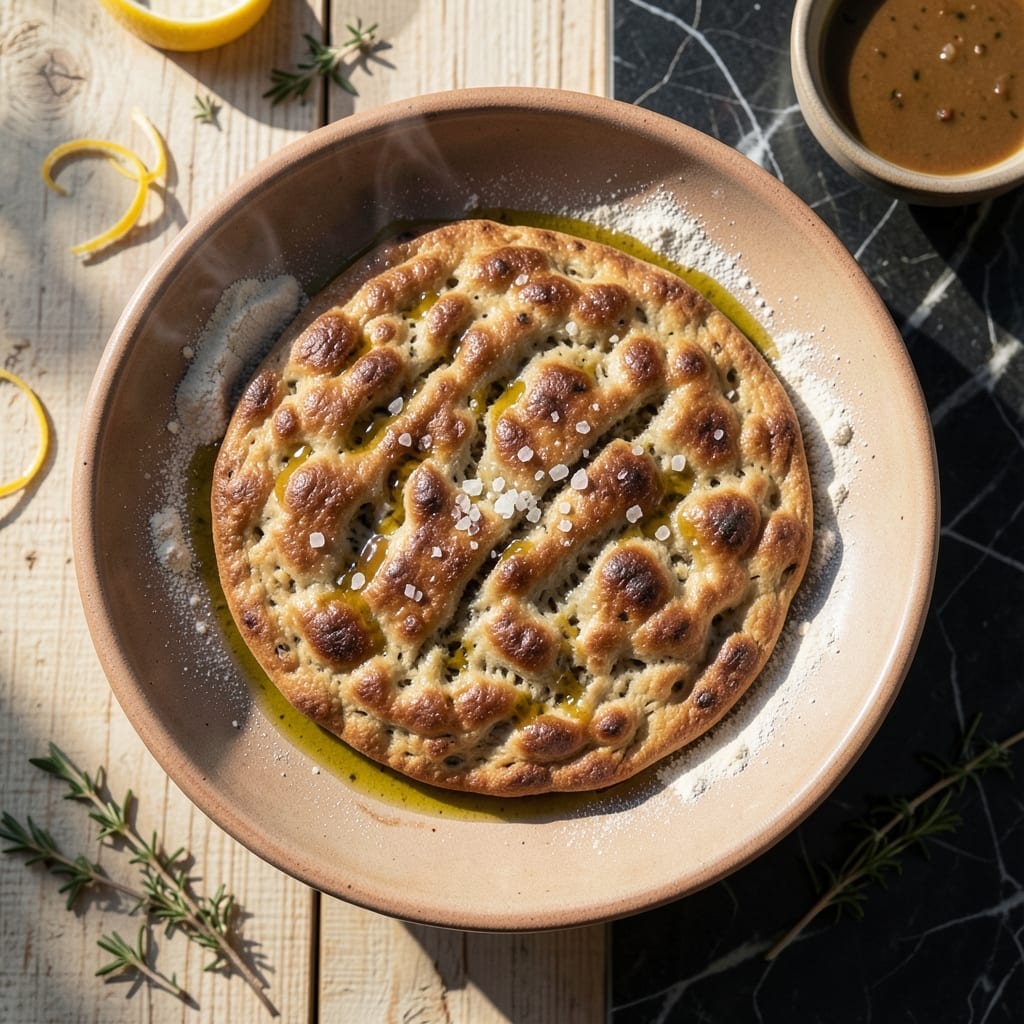
I’ve recreated the world’s oldest known recipe—a 4,000-year-old Mesopotamian barley bread that still feels revolutionary today. This isn’t just history; it’s a chance to taste the foundation of human baking.
The method is surprisingly simple: just barley, water, and time. Ancient bakers relied on natural fermentation, a technique that predates commercial yeast by millennia. The result is a dense, hearty loaf with a nutty depth.
What emerges from the oven is a bread that’s rustic and satisfying, with a texture that tells the story of its age. It’s a direct link to the earliest kitchens, proof that great food begins with patience and respect for tradition.
Perfect for pairing with modern dishes or enjoying as a standalone taste of culinary history. Here’s how to bring it to life.
Ingredients for Oldest Food Recipe in the World
Just six humble ingredients to recreate this ancient bread with timeless flavor.
| Ingredient | Amount | Notes |
|---|---|---|
| Pearl Barley 🌾 | 2 cups | Rinsed and drained thoroughly |
| Water 💧 | 1 ½ cups | Filtered, room temperature |
| Sea Salt 🧂 | 1 tsp | Fine grain for even distribution |
| Natural Starter Culture 🧫 | ¼ cup | Sourdough discard or wild yeast |
| Olive Oil 🫒 | 1 tbsp | For greasing the bowl |
| All-Purpose Flour 🌾 | ½ cup | For dusting the work surface |
[recipe_ingredient_scaler]
The barley is the soul of this recipe. Look for pearl barley—it’s widely available at most grocery stores like Whole Foods or Kroger. Avoid quick-cook or instant varieties, as they lack the texture needed for proper fermentation. If you’re using a sourdough starter, ensure it’s active and bubbly (feed it 12 hours before use). The water should be at room temperature to avoid shocking the natural yeasts.
No sourdough starter? A pinch of commercial yeast (about 1/4 tsp) can kickstart fermentation, though the flavor won’t be as complex. Whole grain barley works too (soak it overnight first). For salt, fine sea salt dissolves best, but kosher salt is fine if that’s what you have. The olive oil is just for greasing—any neutral oil works in a pinch.
The fermented barley mixture keeps in the fridge for 2 days before baking—great for prepping ahead. Once baked, the bread stays fresh wrapped in a towel for 3 days, or freeze slices for up to 1 month.
Why You’ll Love This Recipe
- Five Ingredients: That’s it—just pearl barley, water, sea salt, starter, and olive oil. Honestly, it doesn’t get more straightforward than this.
- Rich Fermented Tang: The natural starter culture gives it this deep, almost nutty flavor that’s way more complex than you’d expect from such a simple list.
- Meal Prep Hero: I make a big batch on Sunday and it keeps all week—toss it into soups, salads, or just eat it warm with a drizzle of oil.
- Pocket Change: Between us, a bag of barley and a little salt cost less than my coffee. And it feeds me for days.
Step-by-Step Instructions for Ancient Mesopotamian Barley Bread
This method revives ancient techniques while ensuring consistent, reliable results in modern kitchens.
Step 1: Prepare the Pearl Barley
Begin by thoroughly rinsing the 2 cups Pearl Barley under cold water until the water runs clear. This removes excess starch and prevents the bread from becoming gummy. Drain well in a fine-mesh sieve and let it sit for 10 minutes to allow any remaining moisture to evaporate.
The barley should be free of debris and have a clean, neutral aroma. This preparation ensures the grains cook evenly and develop the proper texture for your final loaf.
Step 2: Soak and Ferment the Dough
In a large bowl, combine the rinsed barley with 1.5 cups Water and 1 tsp Sea Salt. Stir in the 0.25 cup Natural Starter Culture until fully dissolved. The mixture will appear thick and porridge-like—this is exactly what you want.
Cover the bowl with a clean kitchen towel and let it ferment at room temperature for 12-18 hours. You’ll notice the mixture begin to bubble and develop a slightly tangy aroma, indicating the wild yeast is activating. This fermentation is critical for developing the bread’s structure and flavor.
Step 3: Shape and Proof the Loaf
After fermentation, the mixture will have expanded slightly. Lightly grease a clean work surface with 1 tbsp Olive Oil and dust it with 0.5 cup All-Purpose Flour. This prevents sticking while maintaining the bread’s rustic texture.
Turn the dough onto the prepared surface and shape it into a round loaf. The dough will be sticky and dense—this is normal for barley-based breads. Place the loaf on a parchment-lined baking sheet, cover loosely with a towel, and let it proof for an additional 2-3 hours until slightly puffed.
Step 4: Bake to Perfection
Preheat your oven to 375°F. Once heated, bake the loaf for 45-50 minutes until the crust is deep golden brown and a tap on the bottom produces a hollow sound. The barley’s natural sugars will caramelize, creating a slightly crisp exterior.
If the top begins to darken too quickly, tent the loaf with aluminum foil. The bread is done when an internal temperature reaches 200°F and the crust has developed a rich, earthy color. Allow it to cool completely before slicing—this ensures the texture sets properly.
Pro Tips For Making Oldest Food Recipe In The World
- Soak the Barley: Give the pearl barley a good 4-hour soak in warm water before cooking—it cuts the simmering time in half and guarantees even tenderness.
- Use Active Starter: I learned this the hard way—always feed your natural starter culture 8-12 hours before using it, or the fermentation will fall flat.
- Salt at the End: Skip the sea salt until the last 10 minutes of cooking, otherwise it toughens the barley and dulls the starter’s tangy flavor.
- Drizzle While Hot: Toss the finished barley with olive oil while it’s still steaming—about 1 tablespoon per cup—so it absorbs every last drop of richness.
Flavor Customization for oldest food recipe in the world
Sweet Version
Add 2 tbsp honey and 1 tsp cinnamon to the fermenting mixture for a naturally sweet loaf that still respects ancient traditions. The honey adds subtle sweetness while the cinnamon lends warmth without overpowering the barley’s earthy notes. 💛
Herb-Infused Bread
Mix in 1 tbsp chopped fresh rosemary or thyme during the shaping stage. These herbs were commonly used in Mesopotamian cooking and pair beautifully with barley’s nutty flavor. I love how it adds a fragrant aroma to the kitchen.
Seed and Nut Addition
Fold in ¼ cup sunflower seeds or chopped walnuts before proofing for added texture and nutrition. This mirrors ancient practices of adding available grains and nuts to breads. The crunch contrasts nicely with the soft interior.
Cheese and Onion
For a savory twist, mix in ½ cup crumbled feta and ¼ cup finely chopped scallions after fermentation. These ingredients would have been regionally available and add a delightful tang. The cheese melts beautifully during baking.
Spiced Variation
Add 1 tsp cumin and ½ tsp coriander to the water before soaking. These spices were traded in ancient Mesopotamia and create a warm, aromatic loaf. I find these spices enhance the barley’s natural depth. ✨
Fruit and Nut
Incorporate ¼ cup dried figs and ¼ cup chopped almonds for a sweet-savory combination. Chop the figs finely to distribute them evenly. This version feels luxurious while staying true to ancient ingredient combinations.
Nutrition Facts
Frequently Asked Questions
How did ancient Mesopotamians bake without ovens?
They used simple clay or mud ovens heated by wood fires, similar to modern tandoors. These reached temperatures of 375°F-400°F, perfect for baking flatbreads and small loaves. Archaeologists have found remnants of these ovens in ancient kitchen sites.
Can I make this with modern flour instead of barley?
You can substitute half the barley with whole wheat flour for a lighter texture. However, using only modern flour would lose the authentic ancient flavor and dense texture that defines this historical bread.
Why does the dough need such a long fermentation?
The 12-18 hour fermentation develops the natural yeasts and bacteria that create the bread’s structure and sour flavor. This was how ancient bakers leavened bread before commercial yeast existed.
What’s the best way to store this bread?
Wrap the cooled loaf in a clean linen towel and store at room temperature for up to 3 days. For longer storage, slice and freeze for up to 1 month, reheating slices in a dry skillet.

Trained in classic French technique but raised on slow-cooked ribs and spicy rubs, she blends culinary skill with smoke and soul.
- Best Smoked Oxtail Recipe: Deep-Rich Flavor After Low-and-Slow Cooking - October 14, 2026
- Pit Boss Smoked Prime Rib Roast Recipe: Bark-to-Bone Crispness in 4 Hours - October 14, 2026
- Smoked Tuna Steak Recipe: Seared Crust Meets Silky Centers - October 14, 2026