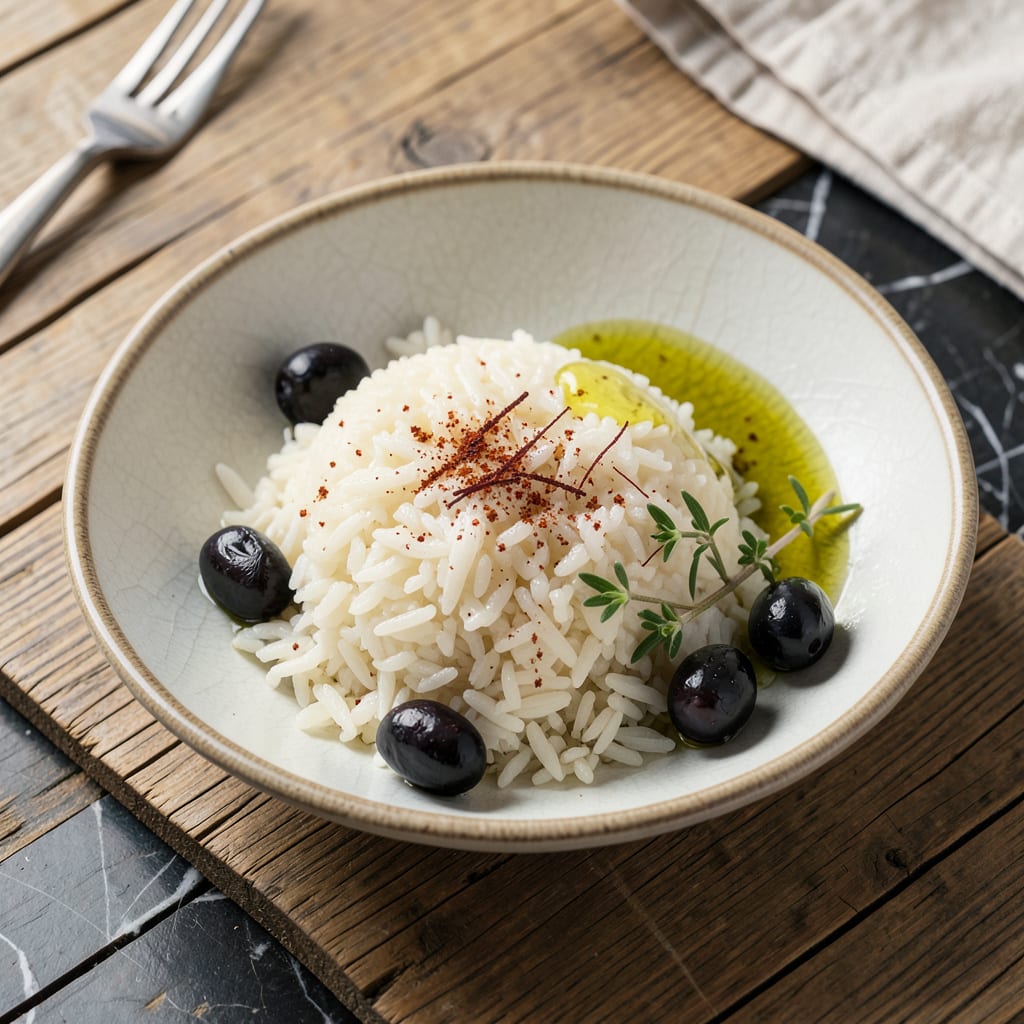
I’ll be real with you—adding olive oil to rice isn’t just about preventing sticking. It’s the Mediterranean trick that transforms plain rice into something extraordinary. Growing up, I watched my Greek neighbors stir golden olive oil into their rice before cooking, and the difference was night and day. The grains come out separate, fragrant, and packed with rich flavor.
Here’s the thing—it’s not just about dumping oil in. The real magic happens when you toast the rice in olive oil first, letting each grain absorb that fruity, peppery flavor before adding liquid. I use a good extra virgin for its bold character, but even regular olive oil makes a noticeable difference. The result is rice that’s never mushy, always aromatic, and has that subtle Mediterranean soul.
What you end up with is fluffy, glossy rice that tastes like it came from a seaside taverna. I like finishing with a drizzle of fresh olive oil and a sprinkle of flaky salt—simple, but it elevates every bite. This technique works with any rice variety, though I’m partial to basmati for its natural fragrance.
Serve it alongside grilled vegetables, lemony chicken, or just enjoy it plain. Once you try this method, you’ll never go back to boring rice again. The best part? It takes zero extra effort for maximum flavor payoff.
📚 In This Guide
- What You’ll Need
- Instructions
- Tips and Common Mistakes
What Youll Need
- ● Cooked rice – 1 cup (white, brown, or basmati, freshly cooked or day-old 🍚)
- ● Extra virgin olive oil – 1–2 tbsp (high-quality, cold-pressed for best flavor 🫒)
- ● Salt – ¼ tsp (or to taste, fine sea salt preferred 🧂)
- ○ Fresh herbs (optional) – 1 tbsp chopped parsley, cilantro, or basil (for garnish 🌿)
- ○ Lemon zest (optional) – ½ tsp (for a bright, citrusy kick 🍋)
- ○ Garlic (optional) – 1 clove, minced (for extra aroma 🧄)
- ● Mixing bowl – medium-sized (for tossing rice evenly)
- ● Fork or rice paddle – to fluff without crushing grains
- ● Measuring spoons – for precise oil and seasoning amounts
- ○ Serving plate – warmed (optional, but keeps rice cozy!)
Step-by-Step Instructions for Adding Olive Oil to Rice
This simple technique transforms ordinary rice into something extraordinary—let me show you how.
Choose the Right Rice and Oil
Start with your favorite long-grain rice—jasmine, basmati, or even standard white rice all work beautifully. The key is selecting a high-quality extra virgin olive oil with a fruity, aromatic profile. I prefer a medium-intensity oil that won’t overpower the delicate rice flavor.
For 4 servings, you’ll want about 1-2 tablespoons of olive oil—enough to coat the grains without making them greasy. The oil should be fresh (check the harvest date) and stored properly in a cool, dark place to preserve its flavor and health benefits.
Rinse and Prepare the Rice
Before cooking, rinse your rice thoroughly under cold water until the water runs clear. This removes excess starch that can make rice gummy. I like to swirl the rice with my fingers while rinsing to ensure each grain gets cleaned properly.
After rinsing, drain the rice well in a fine-mesh strainer and shake gently to remove excess water. Let it sit for 5 minutes—this brief rest helps the grains absorb the olive oil more evenly when we combine them. Properly rinsed rice will cook up fluffier and more separate, which is exactly what we want.
Coat the Rice with Olive Oil
Here’s where the magic happens: in your cooking pot, combine the drained rice with the olive oil. Use your hands or a wooden spoon to gently but thoroughly coat each grain. You’ll notice the rice takes on a subtle sheen—that’s the oil evenly distributing across all the grains.
The oil creates a protective barrier around each grain, preventing them from sticking together during cooking. I find that massaging the oil into the rice for about 30 seconds gives the best results. The rice should feel slightly slick but not wet or clumpy when you’re done.
Cook with Your Preferred Method
Now cook your rice using your usual method—whether that’s stovetop, rice cooker, or even the pasta method. The olive oil won’t change your cooking times or water ratios, but you will notice the rice smells more aromatic as it cooks. That’s the olive oil’s flavor infusing into the grains.
As the rice cooks, you’ll see the grains plump up beautifully, each one distinct and separate. The kitchen will fill with a wonderful, slightly nutty aroma from the olive oil. When the rice is done, let it rest covered for 5-10 minutes—this final step ensures perfect texture.
Fluff and Serve
Once rested, uncover the rice and gently fluff it with a fork. You’ll immediately notice how the grains separate effortlessly, each one glistening slightly from the olive oil. The texture should be light and airy, with no clumps or stickiness.
Taste a few grains—they should have a subtle richness and depth of flavor from the olive oil, with each grain distinct yet part of a cohesive dish. This simple technique elevates basic rice to something special, with a luxurious mouthfeel and enhanced flavor that pairs beautifully with any meal.
Tips and Common Mistakes
This simple technique makes all the difference—here’s how to get it right every time.
Oil Selection Matters: The quality of your extra virgin olive oil directly impacts the final flavor. Choose a medium-intensity oil with fruity notes rather than peppery or bitter varieties. I’ve found that oils labeled “early harvest” or “cold-pressed” work particularly well, as they retain more of their delicate aromatics that will infuse into the rice during cooking.
Rinsing Technique: When rinsing your rice in Step 2, don’t rush through this process. Use your fingers to agitate the grains under cold running water until the water is completely clear—this usually takes about 30 seconds of active swirling. The thorough rinsing removes surface starch that would otherwise make your rice gummy, which is especially important when using the olive oil coating method.
Coating Method: In Step 3, take the full 30 seconds to massage the oil into the rice. I recommend using your hands rather than a spoon—this gives you better control to ensure every grain gets evenly coated. The rice should feel slightly slick but not wet when you’re done. This even coating is what prevents sticking and creates those beautifully separate grains we’re after.
Resting Period: Don’t skip the 5-10 minute resting time mentioned in Step 4. This final rest allows the steam to redistribute throughout the rice, ensuring even texture. I always set a timer for exactly 8 minutes—it’s the sweet spot that gives perfect fluffiness without making the rice too dry or sticky.
Pro Tips for Olive Oil On Rice
- This simple technique makes all the difference—here’s how to get it right every time.
- Oil Selection Matters: The quality of your extra virgin olive oil directly impacts the final flavor. Choose a medium-…
- Rinsing Technique: When rinsing your rice in Step 2, don’t rush through this process. Use your fingers to agitate the…
Frequently Asked Questions
Can I add olive oil to rice while it’s cooking, or only after?
You can do both! Adding 1-2 tsp per cup of rice before cooking prevents sticking and boosts flavor. Drizzling after cooking (while hot) enhances aroma and gives a silky finish. For basmati or jasmine, post-cook addition works best to keep grains separate.
What’s the best type of olive oil for rice—extra virgin or regular?
Extra virgin olive oil (EVOO) wins for flavor—its fruity, peppery notes shine in simple dishes. Use regular olive oil for high-heat cooking (like fried rice) to avoid smoking. For everyday rice, a mid-range EVOO balances quality and cost.
How much olive oil should I use per cup of rice?
Start with 1 tsp per cup of uncooked rice for subtle richness. For bolder flavor (or sticky rice like sushi), increase to 1 tbsp. Overdoing it (2+ tbsp) can make rice greasy—adjust based on rice type and desired texture.
My rice turned out oily—how do I fix it?
If the rice is greasy, rinse it under warm water in a fine-mesh strainer to remove excess oil, then reheat gently. Next time, reduce oil by half or mix it into the cooking water instead of drizzling directly. Stirring less while cooking also helps!
Are there healthier alternatives to olive oil for rice?
Yes! Try avocado oil (neutral, high smoke point), toasted sesame oil (nutty flavor), or coconut oil (for tropical dishes). For low-fat options, use vegetable broth or a splash of lemon juice to moisten rice post-cooking.
Adding a drizzle of olive oil on rice isn’t just a Mediterranean trick—it’s your ticket to perfectly fluffy, flavorful grains every time! 🌾✨ Whether you’re upgrading a simple side or elevating a hearty bowl, this tiny step makes a big difference in texture and taste. Ready to try it? Grab your favorite olive oil and experiment with ratios—your next batch of rice might just be the best one yet!

Trained in classic French technique but raised on slow-cooked ribs and spicy rubs, she blends culinary skill with smoke and soul.
- Recipe for Boneless Pork Chops in Cast Iron Skillet: Sear and Baste to Juicy Perfection - October 3, 2026
- Recipe for Boneless Cross Rib Roast: Slow-Roasted Beef with Herb Crust - October 3, 2026
- Hamburgers in Sauce Recipe Crock Pot: Slow-Cooked Savory Delight - October 3, 2026